
Rare earth metals are indispensable in modern technologies, powering everything from electric vehicles and wind turbines to aerospace systems, defense equipment, semiconductors, and advanced electronics. Processing these highly reactive metals requires specialized equipment capable of withstanding extreme temperatures while maintaining exceptional chemical purity. Among the most critical components in rare earth metal production is the crucible. The material selected for the crucible directly impacts melting efficiency, contamination levels, product quality, and overall operational costs. While graphite, alumina, zirconia, tungsten, and molybdenum crucibles are commonly used in high-temperature applications, the niobium crucible has become an increasingly attractive option for rare earth processing due to its excellent corrosion resistance, high melting point, and compatibility with reactive metals.
In this guide, we’ll compare common crucible materials and examine whether a pure niobium crucible is the right choice for rare earth metal processing applications.
Common Crucible Materials Used for Rare Earth Processing
Several refractory materials are used depending on processing conditions.
Graphite Crucibles
Graphite remains one of the most widely used crucible materials due to:
- Excellent thermal conductivity
- High temperature capability
- Cost-effectiveness
However, graphite can introduce carbon contamination and oxidize under certain operating conditions, making it less suitable for ultra-high-purity rare earth processing.
Alumina Crucibles
Alumina offers:
- Good chemical stability
- High melting temperature
- Excellent electrical insulation
However, alumina can become vulnerable to thermal shock and may react with certain reactive molten metals.
Zirconia Crucibles
Zirconia provides:
- Outstanding chemical resistance
- High-temperature stability
- Excellent resistance to thermal shock
These crucibles are often selected for specialized laboratory applications but are generally more expensive.
Tungsten and Molybdenum Crucibles
Both refractory metals perform exceptionally well at elevated temperatures.
Advantages include:
- High melting points
- Excellent dimensional stability
- Good vacuum compatibility
However, depending on the specific rare earth metal being processed, these materials may not always offer the best balance of chemical compatibility and cost.
Why Niobium Crucibles Perform Well in Rare Earth Processing
Excellent Chemical Compatibility
Rare earth metals readily react with many conventional materials during melting.
A niobium metal crucible offers excellent resistance to chemical attack in vacuum and inert atmosphere environments.
Benefits include:
- Reduced chemical reactions
- Lower contamination risk
- Improved metal purity
- More consistent processing
High Temperature Performance
Rare earth refining often involves prolonged exposure to elevated temperatures.
A pure niobium crucible maintains:
- Structural stability
- Mechanical strength
- Dimensional accuracy
throughout demanding processing cycles.
Low Vapor Pressure
One major advantage of niobium is its low vapor pressure at high temperatures.
This helps minimize:
- Material evaporation
- Crucible degradation
- Product contamination
making niobium especially valuable for vacuum melting operations.
Excellent Fabrication Flexibility
Compared to some refractory metals, niobium is relatively easy to fabricate into customized shapes.
Manufacturers can produce:
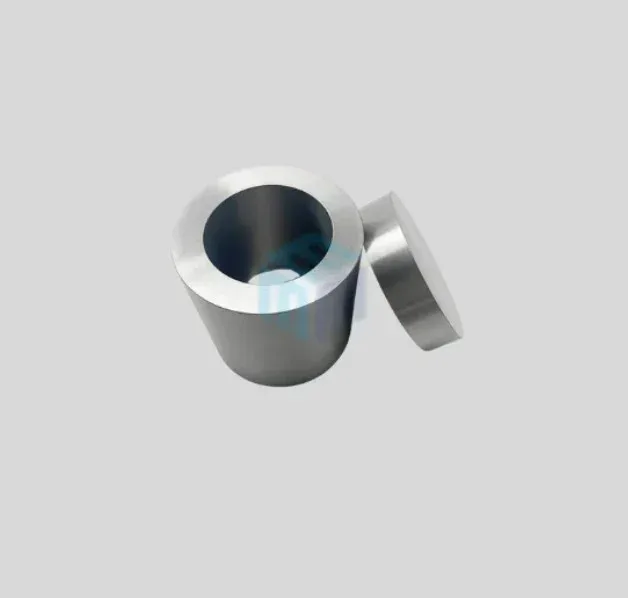
- Cylindrical crucibles
- Deep crucibles
- Thin-wall designs
- Precision laboratory crucibles
Many niobium crucible suppliers also provide fully custom niobium crucible solutions tailored to customer requirements.
Understanding Niobium Crucible Price
Several factors influence niobium crucible price, including:
- Material purity
- Crucible size
- Wall thickness
- Manufacturing complexity
- Quantity ordered
- Custom fabrication requirements
Although niobium crucibles may involve a higher initial investment than conventional ceramic alternatives, their durability and reduced contamination often provide lower total operating costs.
Choosing the Right Niobium Crucible Supplier
When evaluating niobium crucible suppliers, look for:
- High-purity niobium materials
- Advanced fabrication capabilities
- Precision machining
- Quality assurance certifications
- Technical application support
- Custom manufacturing services
Whether you need to buy niobium crucible products for laboratory research or large-scale metallurgical processing, partnering with an experienced supplier ensures consistent quality and reliable performance.
At M-Kube Enterprise LLC, we supply premium niobium crucibles, pure niobium crucible products, and custom niobium crucible solutions for advanced laboratory, aerospace, metallurgy, semiconductor, and rare earth processing applications.
Conclusion
As demand for rare earth metals continues to grow across the electric vehicle, renewable energy, aerospace, and semiconductor industries, manufacturers require processing equipment capable of maintaining exceptional purity under extreme operating conditions.
A niobium crucible combines excellent corrosion resistance, high-temperature strength, low vapor pressure, and outstanding chemical compatibility, making it an excellent choice for many rare earth processing applications.
While tungsten and molybdenum remain important refractory materials, pure niobium crucibles often provide superior performance where contamination control and compatibility with reactive metals are critical.
By selecting the right crucible and working with experienced niobium crucible suppliers, manufacturers can improve product quality, increase equipment life, and optimize production efficiency.
Looking for High-Quality Niobium Crucibles?
If you’re searching for premium niobium crucibles, pure niobium crucible, custom niobium crucible, or a trusted niobium crucible supplier for laboratory, metallurgy, or rare earth processing applications, M-Kube Enterprise LLC has the expertise and products to meet your requirements.
📞 Call: +1-732-808-1999
📧 Email: info@mkubeenterprise.com