
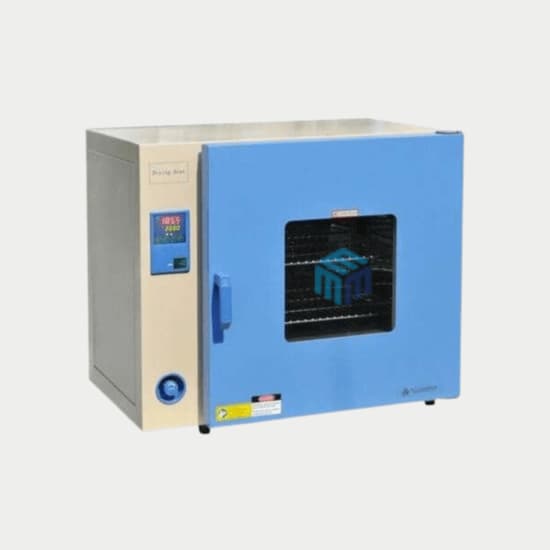
In laboratory environments, precise temperature control and uniform heating are critical for successful experimentation and sample processing. Laboratory convection ovens play a vital role by using fan-driven hot air circulation to maintain consistent temperatures throughout the chamber, eliminating uneven heating and hot spots common with traditional ovens. This uniformity is essential for a wide range of applications including drying, sterilization, annealing, and material testing.
Designed specifically to meet the rigorous demands of scientific research and quality control, laboratory convection ovens offer enhanced temperature stability, safety features, and programmability that ensure reproducible and reliable results. In this article, we explore the key benefits, important features, and practical tips for optimizing convection oven performance in the lab setting.
What Is a Convection Oven and How Does It Work in Laboratories?
In laboratory settings, convection ovens are essential tools designed to provide uniform heating and precise temperature control for various scientific processes. Unlike traditional ovens that rely on radiant heat, laboratory convection ovens use a fan-driven airflow system to circulate heated air evenly throughout the chamber. This ensures that samples experience consistent temperatures, which is critical for accurate and reproducible results in applications such as drying, sterilization, annealing, and aging tests.
The controlled environment of a convection oven helps maintain sample integrity by preventing hot spots or temperature gradients, making them indispensable for quality control, research, and material testing laboratories.
Key Features to Look for in a Laboratory Convection Oven
When selecting a convection oven for laboratory use, several specialized features should be prioritized:
-
Precise Temperature Control: Look for ovens with accurate digital controllers capable of maintaining temperature stability within ±1°C or better. Programmable temperature profiles are beneficial for complex experiments.
-
Uniform Air Circulation: High-quality fans and well-designed airflow paths ensure consistent heat distribution, critical for sample uniformity.
-
Safety and Compliance: Laboratory ovens should comply with safety standards such as CE, UL, or ISO, including features like over-temperature alarms and automatic shutoff.
-
Corrosion-Resistant Interior: Stainless steel interiors resist corrosion from chemicals or sterilization agents commonly used in labs.
-
Adjustable Shelving and Capacity: Flexible internal configurations accommodate various sample sizes and types, optimizing space and workflow.
-
Data Logging and Connectivity: Modern laboratory ovens may offer USB or network connectivity for real-time monitoring and recording of temperature data, supporting regulatory compliance and research documentation.
Benefits of a Convection Oven in Labs
Convection ovens are essential tools in laboratory settings, providing precise and efficient heating for various applications. Their ability to distribute heat evenly and maintain stable temperatures makes them ideal for tasks such as drying, curing, and material testing. Here are some key benefits of using convection ovens in labs:
- Uniform Heat Distribution:
- The built-in fan circulates hot air evenly, ensuring consistent temperatures throughout the chamber, which is critical for applications requiring precise, uniform heating.
- Reduced Drying Time:
- Convection ovens allow for faster drying times by moving heated air across samples. This benefit makes them efficient for drying, curing, and dehydration processes in labs.
- Temperature Stability and Control:
- Laboratory convection ovens are designed with precise temperature controls, allowing for stable, consistent heating. This is essential for repeatable results and minimizes errors in sensitive applications.
- Energy Efficiency:
- By reaching and maintaining desired temperatures quickly and consistently, convection ovens in labs are more energy-efficient than conventional ovens, saving time and resources.
- Enhanced Safety Features:
- Many lab-grade convection ovens include safety features such as over-temperature alarms, automatic shut-off, and heat-resistant doors, which help reduce the risk of accidents in laboratory environments.
Uses of Convection Ovens in Labs
Convection ovens are widely used in labs for various applications due to their efficient and uniform heating capabilities. Common uses include:
- Drying and Dehydration:
- Convection ovens are widely used to dry samples, glassware, or equipment by evaporating moisture quickly and evenly, essential in preparing samples for weighing or further analysis.
- Curing and Polymerization:
- In material science and chemistry labs, convection ovens are used to cure polymers, adhesives, and coatings, which requires precise, consistent heat to achieve optimal material properties.
- Baking and Aging:
- Convection ovens help simulate aging by exposing materials to specific temperatures over time, useful in testing the durability and longevity of products such as rubber, plastics, and coatings.
- Sterilization:
- Used to sterilize non-flammable equipment, tools, and glassware by heating to temperatures that destroy microorganisms. Convection ovens are an alternative to autoclaves for items sensitive to moisture.
Application of Convection Oven
Convection ovens have a wide range of applications across various industries due to their ability to provide consistent and efficient heating. Some key applications include:
- Annealing and Heat Treatment:
- Metals, ceramics, and alloys undergo annealing in convection ovens to relieve internal stress, enhance ductility, and alter mechanical properties, crucial for applications in metallurgy and materials research.
- Evaporation of Solvents:
- Labs use convection ovens to evaporate solvents safely from chemical mixtures. This is especially beneficial in preparing samples for qualitative and quantitative analysis.
- Moisture Content Analysis:
- Convection ovens are commonly used to measure moisture content in various materials. Samples are dried at controlled temperatures to constant weight, allowing accurate measurement of residual moisture.
- Sample Pre-Treatment:
- In analytical labs, convection ovens pre-treat samples by removing moisture, and stabilizing them for testing in procedures like chromatography, mass spectrometry, and elemental analysis.
Tips to Optimize Laboratory Convection Oven Performance
To achieve reliable and repeatable results in lab processes using convection ovens, consider the following tips:
-
Preheat Before Loading: Always allow the oven to reach the target temperature before introducing samples to ensure uniform treatment.
-
Avoid Overcrowding: Leave adequate space between samples and shelves to allow free airflow and prevent temperature variation.
-
Use Appropriate Sample Containers: Use containers that facilitate heat penetration without obstructing airflow, such as perforated trays or open-top vessels.
-
Regular Calibration: Periodically calibrate temperature sensors and controllers to maintain accuracy and compliance with laboratory standards.
-
Routine Maintenance: Keep fans, filters, and interior surfaces clean to prevent airflow obstruction and contamination.
-
Monitor Humidity When Relevant: For sensitive tests, controlling humidity inside the oven or using additional humidity control accessories can improve sample outcomes.
Common Misconceptions about Laboratory Convection Ovens
Several myths can mislead lab users regarding convection oven capabilities:
-
“Convection Ovens Are Only for Drying” — While drying is common, convection ovens are also suitable for sterilization, annealing, curing, and aging tests that require controlled heat exposure.
-
“All Convection Ovens Provide the Same Temperature Uniformity” — Design quality, fan efficiency, and airflow configuration greatly impact uniformity; not all models perform equally.
-
“Lab Ovens Can Be Used Like Kitchen Ovens” — Laboratory ovens require stricter control, validation, and maintenance to meet scientific standards and ensure reliable results.
Understanding these nuances helps laboratory personnel use convection ovens effectively and safely.
When Not to Use Convection Ovens in Labs
Convection ovens may not be suitable for highly volatile materials or samples sensitive to oxidation due to the circulating air, which can encourage reactions. In such cases, vacuum ovens or inert gas purged systems are preferable.
In summary, laboratory convection ovens provide reliable, even heat for drying, curing, sterilizing, and other applications that require precise temperature control, making them indispensable for research, quality control, and analytical laboratories.
Conclusion:
Convection ovens stand out as versatile, energy-efficient appliances that deliver consistent, high-quality drying results. Their ability to circulate hot air evenly improves heat transfer, reduces cooking times, and enhances the texture and flavor of food.
Beyond kitchens, convection ovens play vital roles in industrial heating, curing, and drying applications, offering precise temperature control and uniformity critical for quality and repeatability.
Choosing a convection oven with the right features, paired with proper usage techniques, unlocks these benefits, making them a valuable investment for both commercial and industrial users seeking performance, reliability, and efficiency.
Conclusion:
Convection ovens are indispensable instruments in laboratories, offering precise, uniform heating essential for reproducible and accurate experimental results. Their ability to maintain consistent temperature profiles enhances sample quality and reliability across various processes such as drying, sterilization, and thermal testing.
By selecting a convection oven tailored to laboratory needs—featuring robust temperature control, reliable airflow, and safety compliance—researchers and technicians can optimize their workflows, ensure regulatory compliance, and achieve dependable outcomes in their scientific endeavors.
M-Kube Enterprise is a USA-based company that specializes in providing customized laboratory products, laboratory consumables, and tailored laboratory solutions. Serving a global clientele, we offer our products and services in India, Australia, New Zealand, Singapore, Malaysia, South Korea, Dubai, the Philippines, Indonesia, and Vietnam. Whether you’re looking for high-quality lab equipment or specific solutions to meet your needs, M-Kube Enterprise is dedicated to delivering excellence across industries worldwide.