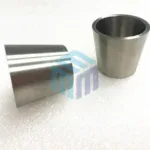

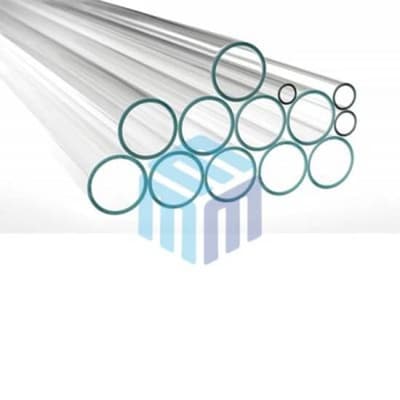
Precision in quartz tube design plays a crucial role in maintaining the quality of optical fibers, thermocouples, and high-temperature industrial systems. Selecting the appropriate wall thickness and diameter isn’t just about fitting dimensions—it directly impacts thermal performance, optical clarity, and overall product reliability. For manufacturers and engineers using Quartz Tubes in the USA, understanding these factors can help reduce fiber defects and optimize production outcomes.
Critical Quartz Tube Design Parameters for Fiber Production
In the production of optical fibers, quartz glass tubing serves as the reaction chamber and cladding material during processes like Modified Chemical Vapor Deposition (MCVD) and Outside Vapor Deposition (OVD).
Choosing the correct wall thickness and inner diameter ensures uniform temperature distribution, minimizes thermal stress, and helps prevent micro-defects that can weaken or distort the optical fiber.
Quartz tube geometry directly impacts the uniformity and precision of optical fiber production. Variations in thickness, diameter, or symmetry can cause signal loss, distortion, and reduced performance. Maintaining accurate geometry ensures efficient light transmission and high-quality fiber output.
- Wall Thickness Uniformity
- Ensures even heat distribution during fiber drawing
- Prevents deformation of core and cladding structure
- Reduces signal loss and improves transmission efficiency
- Inner and Outer Diameter Precision
- Maintains correct core-to-cladding ratio
- Minimizes attenuation and modal dispersion
- Supports consistent optical performance over long distances
- Roundness (Cylindrical Symmetry)
- Prevents birefringence (unequal light propagation)
- Ensures stable signal transmission
- Critical for high-precision applications like telecom and sensors
- Surface Smoothness
- Reduces risk of contamination and micro-defects
- Minimizes light scattering within the fiber
- Improves overall clarity and signal strength
- Length and Straightness
- Provides stable drawing conditions (temperature and tension)
- Ensures uniform fiber diameter לאורך its length
- Enhances mechanical strength and consistency
- Concentricity of Layers
- Keeps core centered within cladding
- Prevents signal distortion and uneven propagation
- Improves overall fiber reliability and quality
- Geometric Stability at High Temperatures
- Maintains shape during the heating and drawing process
- Prevents structural inconsistencies in the final fiber
- Supports repeatable and high-quality production outcomes
Read also: Quartz Tubes: Properties, Uses, and Maintenance Tips
Key Quartz Tube Design Factors: Wall Thickness, Diameter & Purity
Before selecting the right quartz tube for your setup, it’s essential to understand the typical parameters that define its performance.
- Wall Thickness
The wall thickness of a quartz tube generally ranges between 0.5 mm to 10 mm, depending on application and pressure requirements.
- Thin-walled quartz tubes (0.5–2 mm) are preferred for applications that require fast thermal response, such as quartz thermocouple tubes in the USA, where accurate temperature sensing is critical.
- Thick-walled tubes (5–10 mm) offer superior strength and durability, ideal for high-pressure quartz tube systems and quartz tube furnaces that operate continuously at high temperatures.
Maintaining consistent wall thickness ensures predictable thermal expansion and prevents stress cracking during heating and cooling cycles.
- Outer and Inner Diameter
- Outer Diameter (OD) typically ranges from 5 mm to 200 mm.
- Inner Diameter (ID) is chosen based on the required volume and thermal distribution of the fiber preform.
- A balanced OD/ID ratio improves the structural integrity and maintains optical uniformity inside the deposition zone.
Custom quartz tube sizes are often requested by optical fiber manufacturers and laboratories to match specific reactor or furnace designs.
Key Design Rules for Quartz Tube Dimensions
Choose wall thickness based on operating temperature and mechanical load thicker walls improve strength but reduce thermal responsiveness. Maintain an optimal OD-to-ID ratio to balance heat distribution, gas flow, and structural stability. Always align tube dimensions with process requirements (pressure, thermal cycling, and purity) to minimize defects and extend service life.
- Uniform Wall Thickness
- Ensures even heat distribution during processing
- Prevents deformation and structural inconsistencies
- Accurate Inner and Outer Diameters
- Maintains proper core-to-cladding proportions
- Supports consistent optical performance
- High Concentricity
- Keeps layers properly aligned
- Reduces signal distortion and improves transmission quality
- Controlled Tolerances
- Minimizes dimensional variations
- Enhances repeatability in manufacturing
- Smooth Surface Finish
- Reduces contamination and defects
- Improves optical clarity and efficiency
- Thermal Stability
- Maintains geometric integrity at high temperatures
- Prevents warping during fiber drawing
- Adequate Length and Straightness
- Ensures stable handling and processing
- Produces uniform and reliable optical fibers
How Quartz Tube Diameter Influences Heat Transfer and Gas Flow Stability
The diameter of a quartz tube plays a crucial role in how heat and gases distribute during high-temperature processes like optical fiber production. Even small changes in tube diameter can significantly influence thermal gradients and flow patterns, affecting fiber quality.
Thermal Gradients
- Larger diameters tend to develop more pronounced temperature differences between the tube’s inner and outer walls.
- Uneven heating can lead to stress, sagging, or microcracks in the tube, which may transfer defects to the fiber during drawing.
- Smaller diameters promote more uniform heating, reducing the risk of localized overheating and improving dimensional stability.
Gas Flow and Process Efficiency
- Tube diameter affects laminar vs turbulent gas flow inside the tube.
- Larger diameters may require higher gas flow rates to maintain uniform chemical reactions and prevent hotspots.
- Optimized diameters ensure consistent deposition rates and minimize impurities or uneven layer growth in fiber preforms.
Key Takeaway
Selecting the proper quartz tube diameter is a balance between mechanical stability, thermal uniformity, and process flow efficiency. Engineers must carefully match tube geometry with furnace design, gas flow rates, and desired fiber quality to minimize defects and ensure consistent production.
Common Fiber Defects Caused by Poor Tube Design
-
Diameter inconsistency – uneven heating or poor geometry causes fluctuations in fiber thickness
-
Surface defects – microcracks, bubbles, or roughness transfer from tube imperfections
-
Core-cladding misalignment – structural imbalance distorts the optical path
-
Signal attenuation – defects increase light loss during transmission
-
Contamination inclusion – particles or impurities get embedded in the fiber
-
Reduced strength – structural flaws weaken mechanical durability
Root Causes of Fiber Defects in Quartz Tubes
-
Material impurities – trace contaminants lead to absorption, bubbles, or (weakness)
-
Poor thermal stability – uneven heat causes stress, deformation, or cracking
-
Geometric inaccuracies – inconsistent wall thickness or shape affects fiber uniformity
-
Inner surface defects – scratches or residues trigger bubbles and inclusions
-
Poor cleaning/handling – introduces unwanted particles into the process
-
Weak process control – inconsistent drawing conditions worsen defects
Ideal Quartz Tube Sizes for MCVD, OVD, and VAD Processes
The ideal quartz tube size varies depending on the optical fiber manufacturing process, equipment configuration, and preform dimensions. Selecting the appropriate outer diameter (OD), inner diameter (ID), and wall thickness helps ensure uniform heat distribution, dimensional stability, and reduced fiber defects.
| Process | Typical Outer Diameter (OD) | Typical Wall Thickness | Key Considerations |
|---|---|---|---|
| MCVD (Modified Chemical Vapor Deposition) | 20–50 mm | 1.5–4 mm | Supports uniform internal deposition and thermal stability during high-temperature processing. |
| OVD (Outside Vapor Deposition) | 40–100 mm+ | 2–6 mm | Larger diameters accommodate larger preforms, while thicker walls improve mechanical strength during soot deposition. |
| VAD (Vapor Axial Deposition) | 30–80 mm | 2–5 mm | Optimized dimensions help maintain stable preform growth and consistent heat distribution. |
While these ranges are commonly used in the industry, the optimal quartz tube size depends on specific production requirements, furnace design, and target fiber specifications. Custom quartz tube dimensions are often selected to maximize process efficiency and minimize defects during fiber manufacturing.
How to Select the Right Quartz Tube Wall Thickness
Selecting the correct wall thickness for quartz tubes is crucial to achieving high-quality optical fibers while minimizing defects such as bubbles, striations, or asymmetry. The wall thickness affects thermal uniformity, mechanical strength, and process reliability, so choosing the right value is a balance of several factors:
1. Consider the Application
-
MCVD (Modified Chemical Vapor Deposition) Process: Thin-walled tubes (typically 2–4 mm) provide faster thermal response and uniform heat distribution, which is essential for precise deposition.
-
High-Temperature Furnaces or Larger Preforms: Slightly thicker walls (4–6 mm) can improve mechanical strength and reduce the risk of cracking under thermal stress.
2. Balance Thermal Response and Strength
-
Thin Walls: Promote faster heating and cooling, which improves deposition uniformity but are more prone to thermal shock.
-
Thick Walls: Provide mechanical stability but slower thermal response can increase the risk of micro-defects if heating ramps are not carefully controlled.
3. Match to Tube Diameter
-
Ensure that the wall thickness maintains an appropriate OD/ID ratio to prevent deformation and stress concentration.
-
For larger diameters, slightly thicker walls are often necessary to avoid bowing or cracking during thermal cycling.
4. Purity and Material Quality
-
High-purity quartz grades (GE214 or JGS series) allow for slightly thinner walls without compromising strength or thermal stability.
-
Low-purity quartz may require thicker walls to offset defects caused by impurities and uneven heat distribution.
5. Tolerances and Quality Assurance
-
Specify tight manufacturing tolerances for wall thickness to ensure consistent thermal properties and repeatable fiber production.
-
Use supplier data sheets to verify wall uniformity and dimensional accuracy.
Key takeaway: Selecting wall thickness is a trade-off between thermal efficiency and mechanical durability. By considering process type, tube diameter, quartz purity, and tolerance requirements, manufacturers can significantly reduce fiber defects and improve yield.
Optimizing Wall Thickness of Quartz Tubes for Different Applications
Before selecting a quartz tube for any application, wall thickness optimization is a critical design factor that directly influences thermal performance, mechanical strength, and optical efficiency. Understanding how different wall dimensions behave under high temperature and pressure ensures longer service life and consistent process stability.
Quartz Tubes in Optical Fiber Production
In optical fiber manufacturing, uniform heating and low thermal expansion are key. A quartz tube with 2–4 mm wall thickness is typically used in MCVD setups because it allows rapid yet controlled heating of the preform.
This balance minimizes defect formation, ensuring consistent refractive index distribution and higher fiber tensile strength.
Quartz Tube Furnace Systems
For quartz tube furnaces in the USA, thicker walls (5–8 mm) are preferred to withstand continuous high-temperature operations up to 1800°C. These tubes must resist both internal and external thermal gradients to maintain structural stability.
A high-temperature quartz tube also reduces the risk of deformation, preserving the furnace’s alignment and ensuring reproducible heating cycles.
Quartz Thermocouple Tubes
Quartz thermocouple tubes in the USA require thin yet strong walls—typically 1.5–2 mm—to enable fast temperature response while protecting sensors from harsh chemical or molten environments. These tubes maintain accurate readings and extend thermocouple lifespan.
How Material Quality Affects Quartz Tube Performance
The quality of quartz material is a critical factor in high-temperature applications like optical fiber manufacturing. Even small impurities or structural defects can affect thermal stability, optical performance, and overall reliability.
Purity Matters
- High-purity quartz ensures minimal contamination during fiber drawing.
- Impurities such as metal ions or colored inclusions can lead to localized stress points, uneven heating, or light attenuation in the finished fiber.
- For most optical applications, 99.99% or higher purity is required to maintain consistent performance.
Hydroxyl (OH) Content
- Quartz naturally contains hydroxyl groups that influence optical properties.
- High OH content can increase water-related absorption in certain wavelengths, while low OH quartz is preferred for UV transparency and long-wavelength fiber applications.
- Controlling OH levels is critical for meeting optical clarity and attenuation specifications in high-performance fibers.
Micro-Defects and Structural Integrity
- Micro-cracks, bubbles, or inclusions in quartz can act as stress concentrators during heating, increasing the risk of breakage.
- Uniform wall thickness and defect-free tubes help maintain thermal and mechanical stability, ensuring smooth fiber drawing and reducing product rejection rates.
- Advanced manufacturing processes, including careful annealing and inspection, are essential to minimize micro-defects.
Key Takeaway
Selecting high-purity quartz with controlled OH content and minimal micro-defects is essential for consistent optical quality and mechanical reliability. Quality control at this stage prevents fiber defects, enhances production efficiency, and ensures that the final product meets rigorous industry standards.
How Tube Diameter Helps Reduce Fiber Defects
Before analyzing fiber defects, it’s essential to understand how quartz tube diameter impacts the optical fiber drawing process. The right diameter ensures uniform heat distribution, stable melt flow, and reduced microbubble formation—key factors in minimizing structural and optical defects.
- Preventing Airflow Disturbances in Vapor Deposition
An incorrect inner diameter can disrupt the laminar flow of reactant gases during fiber preform fabrication. This turbulence causes uneven deposition and leads to defects like bubbles or inclusions in the fiber core.
- Ensuring Uniform Cooling
Proper outer diameter and wall symmetry ensure that the preform cools evenly after deposition, minimizing internal stresses that lead to cracks or distortions.
- Supporting Thermal Expansion Control
A correctly chosen diameter ensures the quartz tube expands uniformly during heating cycles, preventing warping and maintaining alignment inside quartz tube furnace systems.
In essence, optimizing the quartz tube diameter is crucial for achieving superior fiber uniformity, minimizing defects, and maintaining consistent optical quality throughout production.
High-Temperature and High-Pressure Considerations: Quartz Tubes
When selecting high-temperature quartz tubes or high-pressure quartz tubes, manufacturers should evaluate:
- Thermal expansion coefficient – affects mechanical stress during temperature changes
- Annealing point – higher values indicate better thermal durability
- Hydroxyl (OH) content – lower OH reduces moisture absorption, improving optical quality
- Purity level – high-purity fused silica grades (like GE214 or JGS1) offer superior performance for fiber and furnace applications
Working with trusted quartz tube suppliers ensures material consistency and traceability, which directly translates into better production reliability.
Read also: Powering the Future of Connectivity: Quartz Tubes in Optical Fiber Cable Manufacturing
Risks and Challenges of Quartz Tube Wall Thickness in Fiber Production
Even when choosing the right wall thickness and diameter, quartz tubes face inherent risks that can affect fiber quality. Awareness of these challenges allows engineers to mitigate defects proactively.
1. Thermal Shock
-
Rapid temperature changes can create internal stresses, especially in thin-walled tubes.
-
Improper heating ramps or localized furnace hot spots can lead to cracking or microfractures.
2. Microbubble Formation
-
Uneven thermal gradients or improper gas flow can trap gas pockets, leading to bubbles within the fiber preform.
-
Wall thickness and diameter directly influence gas dynamics, so inconsistent dimensions increase bubble formation risk.
3. Mechanical Deformation
-
Thin-walled or oversized tubes are prone to bowing or warping during handling or thermal cycling.
-
Mechanical stress during loading/unloading in the furnace can also damage tubes, impacting fiber symmetry.
4. Contamination
-
Surface defects, scratches, or impurities in the tube can lead to contamination of the fiber preform.
-
Contaminants can create striations or non-uniform refractive index profiles in the fiber.
5. Material Fatigue
-
Repeated heating and cooling cycles can cause micro-cracks over time, even in high-purity quartz.
-
Over time, fatigue may necessitate replacement of the tube, increasing operational costs.
6. Dimensional Inconsistency
-
Variations in wall thickness along the tube length create uneven thermal expansion, leading to stress concentration and fiber defects.
-
Precise manufacturing tolerances are essential to maintain repeatable fiber quality.
Summary: Proper material selection, precise manufacturing, careful handling, and controlled thermal protocols are essential to mitigate these risks. By proactively addressing these challenges, manufacturers can maintain consistent fiber quality, reduce defect rates, and extend tube lifespan.
Quartz Tube Inspection Checklist
Regular inspection of quartz tubes helps prevent fiber defects, maintain process stability, and extend tube lifespan. Before use, check for the following:
Visual Surface Condition
Inspect the tube for cracks, scratches, chips, or signs of surface damage that could weaken the tube during high-temperature operation.
Wall Thickness and Diameter
Verify that wall thickness and tube diameter remain within specified tolerances to ensure consistent heat distribution and gas flow.
Roundness and Straightness
Check for deformation, ovality, bending, or sagging, which can affect thermal uniformity and process performance.
Surface Cleanliness
Ensure the tube is free from dust, chemical residues, carbon deposits, and other contaminants that may impact fiber quality.
Signs of Devitrification
Look for cloudy, white, or opaque areas that indicate devitrification, which can reduce strength and increase the risk of failure.
Service Life Assessment
Review operating history and replace tubes showing significant wear, damage, or performance degradation.
Routine inspections help identify issues early, reduce production downtime, and maintain consistent optical fiber manufacturing quality.
Conclusion
Selecting the right quartz tube wall thickness and diameter is vital for improving optical fiber quality, reducing defects, and ensuring thermal consistency in advanced manufacturing processes. Every micron matters — from heat distribution to stress control — making precision-engineered Quartz Tubes in the USA indispensable for industries like fiber optics, electronics, and high-temperature applications.
At M-Kube Enterprise LLC, we provide a comprehensive range of Quartz Glass Tubing, Thermocouple Tubes, and Furnace Tubes engineered to your exact specifications. Our commitment to quality and customization ensures the highest performance standards across research, manufacturing, and laboratory use.
Looking for Quartz Tubes in the USA with precise wall thickness and custom diameters?
contact M-Kube Enterprise LLC today for expert guidance and competitive pricing.
Call +1-732-808-1999
Email us at info@mkubeenterprise.com
Our team is ready to help you select the perfect high-temperature quartz tube for your project — ensuring durability, purity, and superior performance every time.