
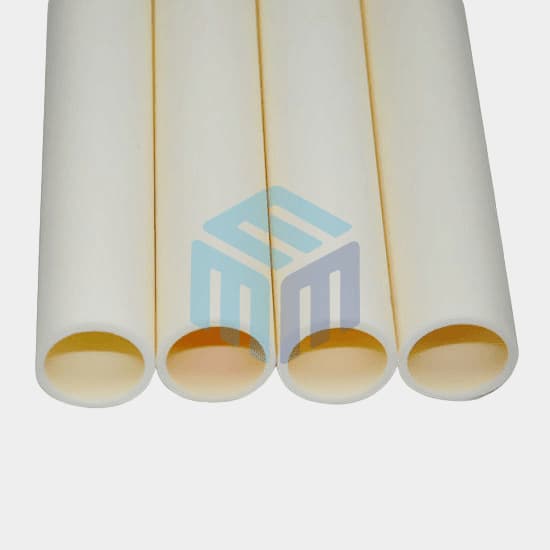
Alumina tubes are essential components in many high-temperature applications, especially in tube furnaces used for materials research, heat treatment, and chemical processing. Known for their excellent thermal stability, corrosion resistance, and insulating properties, alumina tubes are a preferred choice in demanding laboratory and industrial environments. However, despite their strength and durability, these tubes can sometimes fail — often cracking or breaking during operation.
So, why do alumina tubes break in tube furnaces? The answer lies in a range of factors, including thermal shock, improper installation, mechanical stress, and even incompatible materials inside the furnace. In this blog, we’ll explore the common causes of alumina tube breakage, how to identify early warning signs, and practical tips to prevent damage — helping you extend the lifespan of your equipment and avoid costly interruptions.
Alumina tubes are essential components in high-temperature applications such as tube furnaces. However, many labs and industrial users face a common challenge: unexpected tube breakage. This blog explores why alumina tubes break, how to prevent it, and how to extend their lifespan — especially for users sourcing from alumina tube suppliers in the USA.
Introduction: The Role of Alumina Tubes in Tube Furnaces
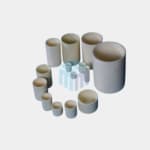
Alumina tubes are ceramic tubes made primarily from aluminum oxide (Al₂O₃), typically in purities of 95–99.8%. Known for their high temperature resistance, excellent electrical insulation, and corrosion resistance, high alumina ceramic tubes are widely used in thermal processing equipment, such as alumina tube furnaces.
These tubes are commonly used in:
- Heat treatment
- Gas flow control systems
- Thermocouple protection
- Laboratory-scale sintering and annealing
Why Alumina Tube Failure Matters (Impact on Processes & Costs)?
Alumina tube failure matters because its impact goes far beyond the cost of replacing a single component. When an alumina tube cracks or breaks, it can cause unplanned downtime, disrupt critical processes, and lead to significant production losses. In high-temperature or controlled-environment applications, failure can compromise product quality, contaminate materials, and create safety risks for personnel and equipment. These issues increase maintenance demands, waste valuable materials, and may even shorten the lifespan of expensive systems. As a result, a seemingly small failure can escalate into substantial operational and financial costs, making reliability and proper material selection essential.
Alumina Purity Grades and Their Effect on Tube Performance
The purity of alumina plays a critical role in determining how well a tube performs inside a high-temperature furnace. Alumina tubes typically range from 95% to 99.8% purity, and even small differences can drastically impact strength, thermal shock resistance, and chemical stability.
Below is a useful breakdown of how purity levels change performance:
| Purity Level | Maximum Operating Temperature | Thermal Shock Resistance | Chemical Resistance | Typical Use Cases |
|---|---|---|---|---|
| 95% Alumina | 1400–1500°C | Moderate | Moderate | General heating, basic lab work |
| 99% Alumina | 1600–1700°C | High | High | Lab furnaces, chemical processing |
| 99.5%–99.8% Alumina | 1750–1800°C | Very High | Excellent | High-purity research, semiconductor, controlled-atmosphere work |
Why Alumina Purity Matters
-
Higher purity = fewer impurities that cause weak points, which means stronger tubes.
-
Reduced porosity improves thermal shock resistance and mechanical strength.
-
Superior resistance to corrosive gases such as hydrogen, vacuum conditions, or reducing atmospheres.
-
Lower contamination risk, critical for sensitive materials and high-tech industrial processes.
For high-temperature or chemically aggressive applications, purity levels of 99% and above are strongly recommended to minimize breakage and extend tube lifespan.
Why Are They Critical in Tube Furnaces?
In alumina tube furnaces, the tube serves as the core reaction zone or heating chamber. It is exposed to thermal cycling, mechanical stress, and chemical environments. As such, the performance and durability of the alumina furnace tube directly affect the reliability and cost-efficiency of your thermal processing.
The Problem of Alumina Tube Breakage and Its Impact
When an alumina tube fails, it can:
- Contaminate valuable samples
- Damage heating elements or insulation
- Lead to costly downtime
- Pose safety risks in high-temperature setups
Understanding why these tubes break helps you take preventive measures and choose the right specifications from trusted alumina tube suppliers.
Alumina Tubes Thermal Stability and Insulation Properties
Alumina is chosen for tube furnaces primarily because of its outstanding high-temperature performance.
Thermal Stability in High-Temperature Furnaces
With a melting point around 2050°C, alumina maintains:
-
Shape
-
Strength
-
Volume
-
Microstructure
even under repeated high-temperature cycles.
This stability ensures long-term performance without warping or deformation.
Resistance to Thermal Shock
Sudden temperature changes can crack or fracture ceramic materials.
High-purity alumina significantly reduces this risk due to:
-
Uniform grain structure
-
Lower porosity
-
Better thermal diffusivity
Still, controlled heating and cooling ramps are recommended to prevent rapid expansion or contraction.
Insulation Properties That Affect Tube Reliability
Alumina’s low thermal conductivity means:
-
Lower heat loss
-
More uniform furnace temperature profiles
-
Improved energy efficiency
-
Higher accuracy in thermal processing
These insulation characteristics are crucial for applications that rely on precise thermal control such as sintering, calcination, crystal growth, and material testing.
Mechanical and Chemical Durability: Alumina Tube
High-purity alumina provides exceptional mechanical and chemical performance, making it suitable for both industrial production and scientific research.
Mechanical Strength
Alumina tubes exhibit:
-
High compressive strength
-
Good rigidity
-
Long-term dimensional stability
However, they remain brittle — so improper mounting or uneven support can still cause breakage.
Chemical Inertness
Alumina resists attack from:
-
Oxidizing gases
-
Acidic and basic vapors
-
Molten metals
-
Ceramic powders
-
Halogens (within certain limits)
This chemical durability makes it ideal for aggressive furnace atmospheres where metal or glass tubes would corrode.
Wear and Abrasion Resistance
Processes involving powders, abrasive materials, or fast gas flow benefit from alumina’s hardness and wear resistance.
Together, these mechanical and chemical properties significantly extend furnace life and minimize contamination risk.
Primary Causes of Alumina Tube Failure
- Thermal Shock
Rapid temperature changes cause internal stresses that can fracture the tube. Avoid inserting cold samples into a hot tube or heating too quickly. - Improper Mounting
Uneven support or excessive clamping pressure can create stress points, leading to cracks under heat. - Atmosphere-Induced Degradation
Prolonged exposure to certain gases (e.g., hydrogen, moisture) may degrade the tube’s surface and structure over time. - Mechanical Stress or Impact
Mishandling during installation or removal is a frequent cause of microcracks that grow with use. - Overheating Beyond Rated Temperature
Exceeding the maximum operating temperature weakens the ceramic and accelerates failure. - Poor Quality or Low-Purity Tubes
Choosing low-grade tubes from unreliable alumina ceramic tube suppliers can result in early failure, especially under harsh conditions.
Alumina Tube Failure Modes and Root Causes
Alumina tubes used in tube furnaces can fail due to thermal, mechanical, and operational factors. Understanding common failure modes helps identify the root cause early and improves tube lifespan and furnace reliability.
| Failure Mode | Root Cause | Impact |
|---|---|---|
| Cracking | Thermal shock, rapid heating or cooling | Tube fracture and loss of structural integrity |
| Chipping and Edge Damage | Improper handling, installation stress | Weak points and crack initiation |
| Surface Degradation | Chemical exposure, reactive atmospheres | Reduced durability and lifespan |
| Warping or Deformation | Excessive temperature exposure | Dimensional instability |
| Microcracks | Repeated thermal cycling | Progressive weakening and premature failure |
Identifying these failure modes early helps prevent unexpected breakdowns and improves the service life of alumina tubes in high-temperature applications.
Early Signs of Alumina Tube Failure
Alumina tubes are widely used in high-temperature applications due to their excellent thermal stability, corrosion resistance, and mechanical strength. However, like all ceramic materials, they are prone to wear and eventual failure when exposed to prolonged thermal and mechanical stress. Identifying early signs of failure is crucial for maintaining process efficiency, preventing costly damage, and ensuring workplace safety. Below are some key indicators that your alumina tube may be approaching the end of its service life:
1. Visible Cracks or Fractures
Cracks—whether hairline or more pronounced—are among the most obvious signs of impending failure. These can form due to repeated thermal cycling, mechanical stress, or improper handling. Even small cracks can rapidly propagate under high-temperature conditions, leading to sudden failure.
2. Discoloration or Surface Degradation
Changes in the color or texture of the alumina tube’s surface may indicate chemical reactions or corrosion, especially when exposed to aggressive gases or vapors. Surface dullness, pitting, or chalky residues can also suggest structural weakening.
3. Spalling or Flaking
Spalling—when pieces of the ceramic surface begin to flake off—indicates thermal stress or incompatible material interactions. It often results from rapid heating or cooling, which creates uneven expansion and contraction.
4. Warping or Deformation
Although alumina is a rigid material, prolonged exposure to extreme temperatures beyond its design limits can cause slight warping. This deformation compromises alignment and structural integrity, especially in precision systems like furnaces or reactors.
5. Unusual Temperature Readings
If your temperature sensors start showing inconsistent or unexpected values, it could point to developing faults in the alumina tube. Cracks or thinning walls can affect heat distribution and thermal conductivity.
6. Contamination or Material Build-up
Deposits or residues inside or outside the tube may indicate material incompatibility or leakage through micro-cracks. Over time, these deposits can further stress the tube and accelerate degradation.
7. Reduced Mechanical Strength
While this isn’t always visible, tubes may become more brittle over time. A tube that was once resilient to minor handling impacts may start showing chips or break easily with minimal force.
Identifying early signs of alumina tube failure can help prevent sudden breakage, furnace damage, and process downtime. The table below provides a quick diagnostic guide to recognize problems early and take corrective action.
| Warning Sign | What It Indicates | Recommended Action |
|---|---|---|
| Hairline cracks on tube surface | Early-stage thermal shock or uneven heating | Reduce heating/cooling rates and inspect temperature uniformity |
| Chipping at tube ends | Mechanical stress from improper mounting or tight seals | Check support alignment and allow for thermal expansion |
| Discoloration or dull surface | Chemical attack or prolonged exposure to reactive gases | Review furnace atmosphere and use protective liners if needed |
| Audible cracking sounds during heating | Rapid temperature change causing internal stress | Slow ramp rates and preheat gradually |
| Warping or slight bending | Overheating beyond rated temperature | Verify operating temperature and furnace calibration |
| Powdering or surface flaking | Material degradation due to impurities or chemical reactions | Replace tube and evaluate alumina purity and supplier quality |
| Sudden drop in process performance | Microcracks affecting thermal or gas flow consistency | Conduct visual inspection and plan tube replacement |
How to Prevent Alumina Tube Breakage in Tube Furnaces
Alumina tubes are commonly used in tube furnaces for their excellent thermal and chemical resistance. However, improper handling or operating conditions can lead to premature breakage, causing costly delays and equipment damage. Here are key strategies to prevent alumina tube breakage in tube furnaces:
1. Avoid Thermal Shock
Alumina is highly resistant to heat but vulnerable to thermal shock, which occurs when the tube is exposed to sudden temperature changes.
Solution:
- Heat and cool the furnace gradually.
- Use a ramped heating program rather than an immediate high-temperature start.
- Preheat samples before placing them inside the hot tube.
2. Ensure Even Temperature Distribution
Uneven heating can create stress points within the tube, leading to cracks or warping.
- Solution:
- Use a well-calibrated furnace with uniform temperature zones.
- Avoid placing samples too close to the tube walls or furnace ends.
3. Use Proper Tube Supports
Unsupported or poorly supported tubes can sag or break under their own weight when heated.
- Solution:
- Install appropriate tube supports or saddles, especially for longer tubes.
- Position supports outside the hot zone to prevent material weakening.
4. Avoid Mechanical Stress and Impact
Alumina is brittle and can crack easily from accidental bumps or improper installation.
- Solution:
- Handle tubes with care during installation, maintenance, or cleaning.
- Use padded gloves and non-metallic tools when inserting or removing tubes.
- Ensure proper alignment when mounting the tube to avoid stress points.
5. Use Compatible Gaskets and Seals
Improper sealing can create pressure imbalances or chemical reactions that damage the tube.
- Solution:
- Choose seals and flanges that are chemically and thermally compatible with alumina.
- Avoid over-tightening, which can crack the ends of the tube.
6. Protect Against Chemical Attack
Certain gases or molten materials can react with alumina, weakening its structure over time.
- Solution:
- Know your process chemistry and confirm alumina’s compatibility.
- Use liners or protective coatings if aggressive chemicals are involved.
7. Regular Inspection and Maintenance
Undetected cracks or wear can lead to sudden failure during operation.
- Solution:
- Perform routine visual inspections for cracks, discoloration, or deformation.
- Replace tubes showing signs of wear before catastrophic failure occurs.
Early Signs of Alumina Tube Failure
- Stick to the manufacturer’s rated maximum temperature (typically 1600–1800°C for high alumina tubes).
- Rotate the tube periodically to distribute wear.
- Replace tubes showing microcracks or signs of fatigue.
- Store tubes in dry, cushioned environments when not in use.
- Choose alumina furnace tubes that match the specific chemistry of your furnace atmosphere.
Read also: Choosing the Right Alumina Tube for Your Application
Why Alumina Tube Suppliers’ Quality Matters
Even the best furnace design cannot compensate for low-quality ceramic tubes.
Alumina tube performance depends heavily on manufacturing quality and raw material purity, which vary widely between suppliers.
Key Supplier Quality Factors
-
Material Purity: High-end suppliers control alumina purity at every stage, ensuring consistent 99%–99.8% material.
-
Dimensional Accuracy: Precise ID/OD tolerances reduce stress points and prevent misalignment inside the furnace.
-
Microstructure Control: Advanced sintering methods produce uniform density and low porosity — essential for thermal shock resistance.
-
Surface Finish: Smooth interior and exterior surfaces reduce contamination and hotspots.
-
Quality Testing: Reliable suppliers use X-ray, ultrasonic checks, or density measurements to eliminate defective products.
Consequences of Poor Quality
Low-grade tubes often fail due to:
-
Internal defects
-
Uneven density
-
Incorrect purity
-
Hidden micro-cracks
-
Poor sintering
Such issues dramatically increase the likelihood of tube breakage—especially during rapid heating cycles or in demanding atmospheres.
How Trusted Alumina Tube Suppliers Improve Furnace Tube Lifespan
Working with reliable alumina tube suppliers is crucial to ensuring ceramic furnace tube quality and long-term alumina tube durability. High-quality suppliers like M-Kube Enterprise LLC provide:
- High-Purity Alumina – 99%+ purity for maximum thermal and chemical resistance.
- Precision Manufacturing – Consistent wall thickness and smooth inner surfaces reduce stress points.
- Stringent Quality Control – Each tube inspected for cracks, inclusions, and dimensional accuracy.
- Custom Sizing & Design – Optimized fit reduces mechanical strain and thermal mismatch.
By investing in premium tubes from experienced suppliers, furnace operators can reduce unplanned shutdowns, improve process efficiency, and maximize equipment lifespan.
Need high-quality alumina furnace tubes in the USA?
M-Kube Enterprise LLC supplies premium-grade alumina tubes with exceptional durability and performance in high-temperature environments.
📞 Call: +1-732-808-1999
📧 Email: info@mkubeenterprise.com
Conclusion
In conclusion, alumina tubes break in tube furnaces not because the material is inherently weak, but because of a combination of thermal, mechanical, and operational factors. Rapid heating or cooling, uneven temperature distribution, improper tube support, chemical attack, and the use of an unsuitable alumina grade all place stress on the tube over time. When these factors are overlooked, even high-purity alumina can fail prematurely. Understanding the root causes of tube failure allows operators to make better decisions in material selection, furnace operation, and maintenance practices—ultimately improving reliability, reducing downtime, and extending the service life of tube furnaces.
If you’re looking for alumina tubes in Australia or the USA, M-Kube Enterprise LLC provides premium-grade high alumina ceramic tubes designed for demanding thermal environments.