
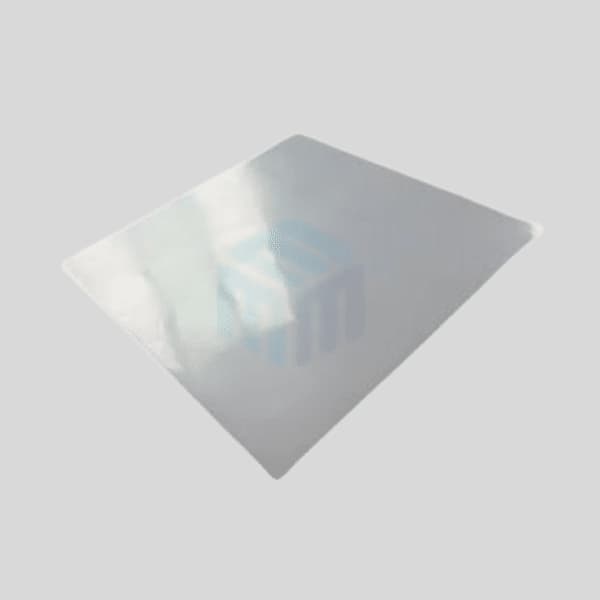
Zirconia sheets are a popular choice in high-performance applications requiring superior hardness, chemical resistance, and thermal stability. Also known as ZrO₂ ceramic sheets, they are widely used across electronics, optics, and precision engineering industries. In this guide, we’ll explore the benefits, material grades, stabilization methods, and practical considerations for zirconia polished sheets, helping you choose the right solution for your needs.
Whether you are searching for highly polished zirconia sheets, polished zirconia substrates, or zirconia plates, this guide provides everything you need to know to make informed decisions.
What Is a Zirconia Polished Sheet?
Zirconia polished sheets are flat ceramic plates made from stabilized zirconium dioxide. These sheets are mechanically polished to achieve a high-gloss, low-roughness surface. Due to zirconia’s superior toughness and hardness, these sheets are ideal for demanding applications that require wear resistance, biocompatibility, and aesthetic appeal.
At M-Kube Enterprise LLC, we supply zirconia components, crucibles, and other analytical ceramics for high-performance laboratory and industrial use.
Manufacturing Process of Zirconia Polished Sheets
The production of zirconia polished sheets involves several precision-controlled steps to ensure performance and consistency:
- Powder Preparation & Stabilization
High-purity zirconium dioxide is blended with stabilizers (such as yttria) to improve thermal and structural stability.
- Forming
The ceramic powder is compacted into sheet forms using dry pressing or tape casting, ensuring uniform thickness and density.
- Sintering
Sheets are sintered at temperatures up to 1500°C to achieve full density and hardness while minimizing porosity.
- Polishing
Advanced mechanical polishing techniques bring surface roughness down to Ra < 0.05 µm, creating a mirror-like finish suitable for optical and electronic uses.
Properties & Applications of Zirconia Polished Sheets
Zirconia polished sheets have gained significant attention across industries that demand high strength, corrosion resistance, and a flawless surface finish. Their unique material properties make them ideal for both structural and aesthetic applications where precision and durability are critical.
Key Properties of Zirconia Polished Sheets:
- Exceptional Hardness: Zirconia is harder than alumina, making it more resistant to cracking and wear.
- High Flexural Strength: Ideal for structural components under stress.
- Thermal Stability: Operates reliably at elevated temperatures (~1000°C).
- Chemical Inertness: Resists corrosion from acids, alkalis, and organic solvents.
- Biocompatibility: Safe for use in biomedical devices and implants.
- Low Surface Roughness: Polished finish ensures cleanroom compatibility and precision contact.
Zirconia Stabilization Methods and Their Impact on Sheet Performance
Pure zirconia is prone to cracking due to phase transformations at high temperatures. Stabilization with oxides like yttria (Y₂O₃) or magnesia (MgO) ensures dimensional stability and toughness.
- Yttria-Stabilized Zirconia (YSZ): Offers high fracture toughness and excellent wear resistance, making it ideal for precision components.
- Magnesia-Stabilized Zirconia (MSZ): Provides improved thermal stability but slightly lower mechanical strength compared to YSZ.
The choice of stabilizer directly impacts zirconia sheet performance, including durability, hardness, and resistance to thermal shock.
Common Applications of Zirconia Polished Sheets :
Zirconia polished sheets are widely used across industries for their strength, smooth finish, and resistance to wear and corrosion. They are especially valued in environments that require both performance and visual appeal.
- Semiconductor and Electronics: Substrates and insulators in microelectronic devices
- Medical Devices: Used in dental prosthetics, implants, and surgical tools
- High-Temperature Furnaces: As setters, spacers, and supports in kilns and sintering processes
- Optical Equipment: Stable and reflective mounts for lasers and lenses
- Chemical Analysis Labs: Sample holders and supports in harsh chemical environments
Zirconia polished sheets are used in a wide range of industries due to their exceptional hardness, chemical stability, and mirror-like finish. They find applications in sectors such as electronics, medical devices and decorative architecture, where precision, durability, and a refined appearance are essential.
Material Grades of Zirconia Sheets: Choosing the Right Stabilizer
Selecting the correct grade ensures optimal performance for your application. Key considerations include:
- Mechanical Properties: Hardness and fracture toughness vary depending on stabilization and sintering process.
- Thermal Resistance: YSZ is preferred for high-temperature environments.
- Chemical Resistance: Both YSZ and MSZ offer excellent corrosion resistance against acids, bases, and solvents.
- Dimensional Precision: Polished zirconia sheets with uniform thickness are critical for optical or electronic applications.
Zirconia sheets are available in different material grades, each defined by the type of stabilizer used to enhance their performance and stability. Selecting the right stabilizer—such as yttria, magnesia, or calcia—is crucial, as it directly affects the sheet’s mechanical strength, thermal resistance, and toughness. Understanding these variations helps in choosing the most suitable zirconia grade for specific industrial or engineering applications.
How Polishing Improves Zirconia Sheet Performance
Polishing zirconia plates enhances surface finish, providing multiple advantages:
- Reduces surface defects that can act as crack initiation points.
- Improves wear resistance and lifespan in mechanical applications.
- Ensures better optical clarity for substrates used in electronic or optical devices.
- Enhances chemical resistance by removing micro-porosities.
Highly polished zirconia polished sheets and zirconia polished plates are ideal for precision engineering and demanding industrial applications.
Limitations of Zirconia Polished Sheets: What You Need to Know
Despite their advantages, zirconia ceramic sheets have some limitations:
- Brittleness: Although toughened, zirconia sheets can still fracture under extreme mechanical impact.
- Thermal Shock Sensitivity: Rapid temperature changes may cause cracking if not stabilized correctly.
- Cost: High-purity polished zirconia sheets are more expensive than standard ceramic plates.
Proper handling, careful installation, and appropriate selection of stabilizer grade mitigate these risks.
How to Select the Right Zirconia Polished Sheet for Your Application
Consider the following factors when choosing a zirconia ceramic sheet:
- Application Environment: Thermal, chemical, and mechanical demands.
- Required Dimensions & Tolerances: Thickness uniformity and surface finish.
- Stabilizer Choice: YSZ for toughness, MSZ for high-temperature stability.
- Polishing Requirements: Highly polished sheets for optical or semiconductor uses.
Selecting the right combination ensures long-term durability and optimal performance in industrial or scientific settings.
Conclusion
Zirconia polished sheets offer the perfect blend of strength, aesthetics, and durability, making them a preferred material across a wide range of industries. Their exceptional resistance to heat, corrosion, and wear ensures long-lasting performance even in the most demanding environments. From precision components and dental applications to decorative and industrial uses, zirconia polished sheets consistently deliver reliability and superior results.
As technology and manufacturing standards continue to evolve, investing in high-quality zirconia polished sheets is a forward-looking choice—providing both functional excellence and long-term value for diverse industrial and engineering applications.