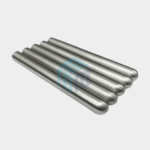


Choosing the right heating element can make a significant difference in industrial furnace performance. From operating temperature and energy consumption to maintenance frequency and replacement costs, heating elements influence how efficiently a furnace operates. Silicon Carbide Heating Elements are widely used in industrial heating applications because of their high-temperature capability, thermal conductivity, and resistance to oxidation under suitable operating conditions. However, not all SiC heating elements are manufactured with the same density or material structure. Regular-density and ultra-high-density options may differ in porosity, oxidation resistance, service life, and initial cost.
So, which option makes more sense for your industrial furnace?
The answer depends on your operating temperature, furnace atmosphere, heating cycles, and long-term maintenance requirements.
Understanding Silicon Carbide Heating Elements
A silicon carbide heater is an electrical resistance heating component designed to generate heat when electric current passes through it.
These elements are commonly used in ceramic kilns, heat treatment furnaces, glass processing equipment, and laboratory heating systems.
A typical silicon carbide heating rod consists of a hot zone that generates heat and cold ends designed to reduce heat generation near electrical connections.
Depending on the manufacturer and design, SiC elements can operate at temperatures approaching 1,600°C (2,912°F), although allowable element temperatures and recommended furnace operating temperatures are not necessarily the same.
Their ability to deliver high-temperature heating makes them suitable for demanding industrial applications.
What Is the Difference Between Regular-Density and Ultra-High-Density SiC Heating Elements?
The primary difference lies in the material’s bulk density and internal porosity.
Regular-density SiC elements generally have a comparatively more porous structure, while ultra-high-density elements are manufactured using processes intended to achieve a denser material structure.
However, these categories are not universally standardized across manufacturers. Actual performance depends on the SiC composition, manufacturing process, element geometry, and operating environment.
Regular-Density SiC Heating Elements
Regular-density sic heating elements are commonly selected for industrial applications where conventional high-temperature performance and cost efficiency are priorities.
They can provide dependable heating when operated within their specified temperature and atmosphere limits.
These elements are often suitable for applications with predictable heating cycles and manageable maintenance requirements.
Ultra-High-Density SiC Heating Elements
Ultra-high-density SiC elements are designed with reduced porosity and a more compact material structure.
Depending on their formulation, this structure may help limit oxygen penetration and improve resistance to certain degradation mechanisms.
They may be beneficial in applications involving demanding thermal conditions, extended operating periods, or frequent replacement challenges.
However, higher density alone does not guarantee longer service life. Manufacturer testing and application-specific performance data remain essential.
Regular-Density vs. Ultra-High-Density SiC Heating Elements: Comparison
Understanding the differences between these options helps engineers and purchasing teams make informed decisions.
| Feature | Regular-density SiC elements | Ultra-high-density SiC elements |
| Material structure | Generally, more porous | Typically denser, with lower porosity |
| Initial investment | Often more economical | May involve a higher upfront cost |
| Oxidation resistance | Depends on material grade and operating conditions | May offer improved resistance in certain environments |
| Service life | Suitable for standard applications | Potentially longer under compatible conditions |
| Thermal cycling | Depends on element design and material properties | Requires verification of thermal shock performance |
| Maintenance | Replacement based on operating conditions | May reduce replacement frequency if performance is improved |
| Best suited for | Routine industrial heating | Demanding applications where durability is a priority |
These comparisons are general guidelines rather than guaranteed performance differences. Always review the manufacturer’s technical specifications before selecting a heating element.
How Does Density Affect SiC Heating Element Performance?
Density can influence several important characteristics of a heating element.
- Oxidation Resistance
At elevated temperatures in oxidizing atmospheres, silicon carbide can form a protective silica layer.
Over time, oxidation and other degradation mechanisms may affect electrical resistance and element performance.
A denser structure with reduced open porosity may limit internal exposure to oxygen, potentially improving oxidation resistance.
However, the actual outcome depends on temperature, atmosphere, material composition, and manufacturing quality.
- Electrical Resistance and Heating Stability
The electrical resistance of a silicon carbide rod heater changes with temperature and aging.
As resistance increases during service, the furnace power supply may need sufficient voltage adjustment capability to maintain the required heating output.
Density can influence material properties, but it should not be used alone to predict electrical performance.
Resistance specifications, element dimensions, and manufacturer-provided aging characteristics are more reliable selection criteria.
- Mechanical Strength and Durability
A denser ceramic structure may improve certain mechanical properties, depending on material formulation and processing.
However, thermal shock resistance is influenced by multiple factors, including thermal expansion, strength, conductivity, and element geometry.
For furnaces with frequent heating and cooling cycles, verified thermal cycling performance is particularly important.
Which SiC Heating Element Should You Choose?
The best choice depends on how your furnace operates.
Choose Regular-Density Elements When:
- Your furnace operates under standard, manufacturer-approved heating conditions.
- Initial equipment and replacement costs are major considerations.
- Heating cycles are relatively predictable.
- Replacement access is convenient.
- The manufacturer confirms that regular-density elements meet your operating requirements.
Consider Ultra-High-Density Elements When:
- Your furnace operates under demanding high-temperature conditions.
- Element replacement causes significant production downtime.
- The operating atmosphere is compatible with the selected element grade.
- Reduced porosity offers a demonstrated advantage for your application.
- Manufacturer data supports improved durability or service life.
For a silicon carbide heating element furnace, selecting the correct element requires matching its specifications with the furnace’s electrical system, temperature requirements, and operating environment.
Read also: Single Spiral vs Double Spiral SiC Heating Elements: Which One Offers Better Thermal Distribution?
What Factors Affect Silicon Carbide Heating Element Price?
When comparing the silicon carbide heating element price, it is important to look beyond the initial purchase cost.
Several factors influence pricing and long-term operating expenses.
| Cost factor | Why it matters |
| Material grade and density | Different manufacturing processes and material specifications affect cost |
| Element dimensions | Length, diameter, and hot-zone configuration influence manufacturing requirements |
| Operating temperature | Higher-temperature designs may require specialized materials |
| Electrical specifications | Resistance range and power requirements affect element selection |
| Replacement frequency | Shorter service life can increase maintenance expenses |
| Production downtime | Furnace shutdowns may create costs beyond the replacement element itself |
For industrial facilities, total cost of ownership is often more useful than comparing unit prices alone.
An element with a higher initial cost may provide better long-term value if it demonstrably reduces maintenance, downtime, or replacement frequency.
How to Select Reliable SiC Heating Elements Suppliers
When evaluating SiC heating elements suppliers, consider their ability to provide accurate technical specifications and application support.
Ask for details about material density, operating temperature limits, electrical resistance, dimensions, atmosphere compatibility, and expected aging behavior.
It is also important to confirm whether replacement elements are compatible with your existing furnace design and power control system.
Reliable technical documentation helps prevent incorrect selection and unnecessary operating problems.
Conclusion
Choosing between regular-density and ultra-high-density silicon carbide heating elements requires evaluating more than material density.
Regular-density elements can provide a practical, cost-effective solution for conventional industrial heating applications. Ultra-high-density options may offer advantages where reduced porosity and improved durability are supported by manufacturer testing.
The right choice depends on furnace temperature, atmosphere, electrical compatibility, maintenance requirements, and total operating cost.
At M-Kube Enterprise LLC, we understand the importance of reliable heating components for industrial and laboratory applications.
Whether you need replacement SiC heating elements or assistance identifying suitable specifications, choosing the right product helps support consistent furnace performance and dependable operation.
Contact M-Kube Enterprise LLC to discuss your silicon carbide heating element requirements and explore suitable options for your industrial furnace.
Phone: +1-732-808-1999
Email: info@mkubeenterprise.com