
Medical imaging, industrial non-destructive testing (NDT), airport security screening, and scientific research all depend on high-performance X-ray equipment. At the heart of these systems are components that must withstand extreme temperatures, high voltages, and continuous thermal cycling while maintaining exceptional dimensional stability and reliability. One material that has become indispensable in modern X-ray technology is molybdenum. Thanks to its outstanding thermal properties, high melting point, and excellent mechanical strength, molybdenum rods and molybdenum tubes play a critical role in ensuring the long-term performance of X-ray systems.
From supporting X-ray tube assemblies to acting as structural and thermal management components, high-purity molybdenum helps manufacturers improve equipment efficiency, extend service life, and reduce maintenance costs.
In this article, we’ll explore why Molybdenum Rods are widely used in X-ray equipment and how selecting a trusted molybdenum rod supplier can improve system reliability.
Why Material Selection Matters in X-Ray Equipment
X-ray systems operate under demanding conditions that expose components to:
- High operating temperatures
- Intense thermal cycling
- High vacuum environments
- Electrical loads
- Continuous mechanical stress
Materials used inside X-ray assemblies must offer:
- High melting point
- Excellent thermal conductivity
- Low thermal expansion
- Dimensional stability
- High purity
- Long operational life
Any material failure can result in:
- Reduced image quality
- Equipment downtime
- Increased maintenance costs
- Shorter X-ray tube life
This is why refractory metals such as molybdenum have become the industry standard.
What Are Molybdenum Rods?
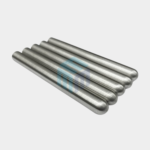
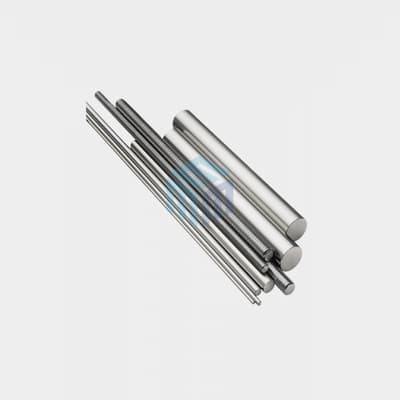
Molybdenum rods are precision-engineered components manufactured from high-purity molybdenum metal.
Because molybdenum has a melting point of approximately 2,623°C (4,753°F), it performs exceptionally well in high-temperature and high-vacuum environments.
Common products include:
- Molybdenum rod
- Moly Rod
- Precision-ground Molybdenum Rods
- Custom-machined molybdenum components
These products are widely used in medical imaging equipment, semiconductor manufacturing, vacuum furnaces, and aerospace applications.
The Role of Molybdenum Rods in X-Ray Equipment
Structural Support Components
Many X-ray tube assemblies utilize molybdenum rods as internal structural components.
Their high mechanical strength helps maintain:
- Precise component alignment
- Mechanical stability
- Long-term dimensional accuracy
Even after thousands of heating and cooling cycles, molybdenum retains its structural integrity.
Superior Heat Resistance
X-ray generation produces significant amounts of heat.
High-purity moly rod components maintain their strength even at elevated temperatures, helping prevent:
- Thermal distortion
- Component deformation
- Premature equipment failure
This contributes to more consistent X-ray performance.
Excellent Thermal Conductivity
Efficient heat dissipation is essential for protecting sensitive X-ray components.
Molybdenum rods provide:
- Excellent thermal conductivity
- Uniform heat distribution
- Improved temperature control
- Reduced thermal stress
These properties enhance equipment reliability while extending service life.
Low Thermal Expansion
Dimensional stability is essential for maintaining imaging accuracy.
Molybdenum has a relatively low coefficient of thermal expansion, allowing components to maintain tight tolerances even during repeated heating cycles.
Benefits include:
- Stable focal spot positioning
- Improved image consistency
- Reduced mechanical stress
- Longer equipment lifespan
Why High Purity Matters
Material purity has a direct impact on X-ray tube performance.
High-purity Molybdenum Rods offer:
- Improved mechanical strength
- Better vacuum compatibility
- Reduced contamination
- Longer service life
- Consistent thermal performance
Low impurity levels help minimize material degradation and improve the reliability of sensitive imaging equipment.
Molybdenum Tubes in X-Ray Systems
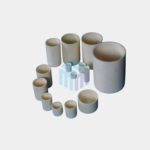
In addition to rods, Molybdenum Tubes are widely used throughout X-ray equipment.
A molybdenum tube may serve as:
- Structural housing
- Shielding component
- High-temperature support
- Vacuum chamber element
High-quality moly tube products help maintain vacuum integrity while supporting critical internal assemblies.
Reliable Molybdenum Tubes Supplies are essential for manufacturers seeking consistent quality and long-term equipment performance.
Additional Applications of Molybdenum Components
Beyond X-ray equipment, molybdenum rod and molybdenum tube products are widely used in:
Medical Equipment
- CT scanners
- Diagnostic imaging systems
- Radiation therapy equipment
Industrial Non-Destructive Testing (NDT)
- Weld inspection
- Aerospace component testing
- Pipeline inspection
Semiconductor Manufacturing
High-purity molybdenum supports:
- Vacuum deposition systems
- High-temperature processing
- Thin-film manufacturing
Vacuum Furnaces
Both Molybdenum Rods and Molybdenum Tubes are commonly used in furnace heating assemblies because of their excellent thermal stability.
Benefits of High-Purity Molybdenum Components
Choosing premium molybdenum components provides several long-term advantages:
Improved Equipment Reliability
- Stable mechanical performance
- Reduced component failure
- Longer maintenance intervals
Better Imaging Performance
Stable component positioning helps improve:
- Image resolution
- Measurement accuracy
- Consistent system calibration
Longer Service Life
Because molybdenum resists thermal fatigue and creep deformation, components remain reliable over extended operating periods.
Lower Total Cost of Ownership
Although premium materials may require a higher initial investment, they often reduce:
- Maintenance expenses
- Replacement frequency
- Production downtime
Factors to Consider Before Purchasing Molybdenum Rods
When selecting a molybdenum rod supplier, evaluate:
Material Purity
Higher purity improves:
- Thermal performance
- Vacuum compatibility
- Mechanical reliability
Manufacturing Precision
Look for:
- Tight dimensional tolerances
- Precision grinding
- Consistent surface finish
- Quality certifications
Custom Machining
Many applications require customized:
- Diameters
- Lengths
- Surface finishes
- End configurations
An experienced supplier can manufacture components according to exact specifications.
Understanding Molybdenum Rod Price
Several factors influence molybdenum rod price, including:
- Material purity
- Rod diameter
- Length
- Surface finish
- Machining requirements
- Quantity ordered
Similarly, pricing for molybdenum tube products depends on dimensions, wall thickness, and manufacturing complexity.
When evaluating cost, buyers should also consider product quality, consistency, and long-term performance rather than focusing solely on initial purchase price.
Choosing the Right Molybdenum Supplier
When selecting a molybdenum rod supplier or molybdenum tube supplier, consider:
- High-purity raw materials
- Advanced machining capabilities
- Precision manufacturing
- Quality assurance programs
- Technical expertise
- Custom fabrication services
A trusted supplier helps ensure consistent product quality and dependable performance for demanding X-ray and industrial applications.
At M-Kube Enterprise, we provide premium Molybdenum Rods, Molybdenum Tubes, and custom refractory metal components designed for medical imaging, semiconductor manufacturing, vacuum furnaces, and high-temperature industrial systems.
Conclusion
As X-ray systems continue to evolve, manufacturers need materials that can perform reliably under high temperatures, vacuum conditions, and continuous thermal cycling.
High-purity Molybdenum Rods and Molybdenum Tubes offer an ideal combination of thermal conductivity, mechanical strength, dimensional stability, and vacuum compatibility. These properties make them essential components in medical imaging, industrial inspection, scientific research, and semiconductor manufacturing.
By choosing premium molybdenum components from a trusted molybdenum rod supplier, manufacturers can enhance equipment reliability, reduce maintenance costs, and achieve consistent long-term performance.
Looking for High-Quality Molybdenum Rods and Tubes?
If you’re searching for premium Molybdenum Rods, molybdenum tubes, or a trusted molybdenum rod supplier for X-ray equipment, vacuum furnaces, semiconductor manufacturing, or other high-temperature applications, M-Kube Enterprise offers precision-engineered refractory metal solutions tailored to your needs.
📞 Call: +1-732-808-1999
📧 Email: info@mkubeenterprise.com