
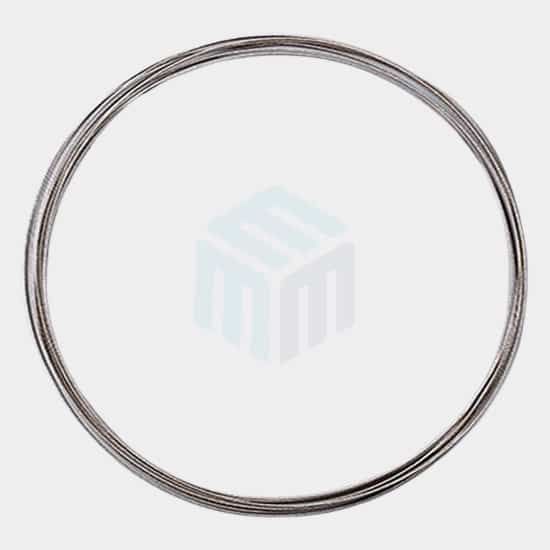
When it comes to thermal analysis — techniques like Thermogravimetric Analysis (TGA), Differential Thermal Analysis (DTA), and Differential Scanning Calorimetry (DSC) — precision is everything. Small errors in temperature measurement or heat flow can translate into big mistakes in interpreting material behavior. That’s where platinum wire becomes a lab hero. In this post, we’ll walk through why platinum wire is widely used, especially platinum thermocouple wire and platinum-rhodium thermocouple wire, and how it elevates thermal analysis accuracy.
Whether you’re setting up experiments or selecting materials for high-temperature analysis, this guide will help you understand the science and value behind platinum wire in thermal labs.
Why Material Choice Matters in Thermal Analysis
TGA, DTA, and DSC instruments rely on precise measurements of temperature and heat flow. Any material involved — supports, thermocouples, electrodes — can influence signal quality. When temperatures soar or chemical environments get aggressive, ordinary metals may distort readings or degrade. That’s why high-purity, stable materials like platinum are preferred.
Platinum’s reputation in analytical labs stems from two major strengths:
- Exceptional thermal stability
- Chemical inertness in demanding environments
These qualities make platinum wire ideal for use in both temperature sensing and sample support applications.
Platinum Wire Attributes That Boost Precision
Platinum wire — whether pure or alloyed with rhodium — stands out for specific properties that directly contribute to better thermal analysis:
- High Purity and Stability
Platinum wire available for scientific use is often 99.95% pure or higher. This high purity ensures that resistance changes are predictable and consistent, which is critical when converting electrical signals into temperature readings.
In thermocouples, predictability equals reliability. Less drift and fewer fluctuations mean your measurement reflects the true behavior of the sample — not noise from the sensor.
- Excellent High-Temperature Performance
Platinum and platinum-rhodium wires can operate at very high temperatures — often exceeding 1400°C — with minimal degradation. Their stability at these elevated conditions makes them ideal for DSC, DTA, and TGA applications that push the thermal limits of materials.
This also means the wires remain mechanically strong even after repeated heating cycles, which enhances reproducibility over time.
- Resistance to Oxidation and Corrosion
In many thermal analysis setups, samples generate reactive gases or corrosive atmospheres. Platinum’s resistance to oxidation and chemical attack protects it from changing properties during measurement, which is essential for maintaining calibration and precision.
Platinum vs. Platinum-Rhodium Alloys: What’s the Difference?
While pure platinum wire is excellent, many thermocouples use platinum-rhodium alloys (e.g., Pt–Rh) for even better performance in extreme conditions. When rhodium is alloyed with platinum, it improves mechanical strength and oxidation resistance without sacrificing much electrical stability.
Common thermocouple types using these materials (Type R, S, and B) are chosen based on the required temperature range and environment:
Platinum-rhodium wires have stable output and minimal drift, which translates into more precise TGA/DTA/DSC curves.
Platinum Wire in Practical Lab Use
In many thermal analysis systems, platinum wire serves functions including:
- Thermocouple leads: converting temperature into measurable electrical signals.
- Electrode materials: in DSC setups where current is needed for heating.
- Sample supports: especially when unsupported samples are analyzed in inert or reactive environments.
Even in general chemistry practicals, platinum wire is used for small heating tasks because it doesn’t oxidize or contaminate samples. This makes platinum wire for chemistry practical a trusted tool in labs worldwide.
Addressing Common Concerns: Cost and Availability
Yes — platinum wire cost is higher than most metals. But in analytical science, the value comes from accuracy, longevity, and reproducibility. When you invest in high-quality platinum or platinum-rhodium thermocouple wire, you’re reducing noise, unexpected drift, and the need for frequent recalibration or replacement.
For labs focused on precision and regulatory compliance, that reliability often outweighs cost. Platinum wires are available in many diameters and grades — from ultra-fine wires used in sensitive sensors to thicker leads for robust instrumentation.
Conclusion: Precision Starts with the Right Material
Platinum wire isn’t just a luxury component in thermal analysis — it’s a precision-enabler. Its unmatched stability, resistance to hostile conditions, and consistent electrical behavior make it indispensable in TGA, DTA, and DSC methods. Whether you’re quantifying phase transitions, decomposition temperatures, or heat capacities, choosing the right wire — from pure platinum wire to platinum-rhodium thermocouple wire — can make all the difference.
Quality instrumentation deserves quality materials. With platinum wire, you’re investing in data you can trust.
Whether you need pure platinum wire, platinum alloy wire, or application-specific solutions, our team can help you choose the right specification for your lab or industrial setup.
📞 Call us: +1-732-808-1999
📧 Email: info@mkubeenterprise.com
👉 Contact M-Kube Enterprise LLC today to discuss your thermal analysis requirements and get expert guidance you can trust.
References:
1) Platinum Thermocouple Overview (ScienceDirect)
2) Platinum: Platinum-Rhodium Thermocouple Wire (Johnson Matthey Technology Review)