
Platinum crucibles are indispensable tools in high-temperature laboratories, prized for their exceptional durability, chemical resistance, and inertness. These critical lab accessories are frequently used in analytical chemistry, fusion processes, and sample digestion. However, given the high platinum crucible cost, proper maintenance is key to maximizing longevity and performance.
Whether you’re using a platinum crucible 25 ml, 50 ml, or other variants, regular care not only extends lifespan but also protects your investment. In this guide, we’ll walk through best practices for handling, cleaning, and storing your Pt crucible, while also helping you understand platinum crucible prices, where to find them for sale, and how to choose the right supplier.
What is a Platinum Crucible?
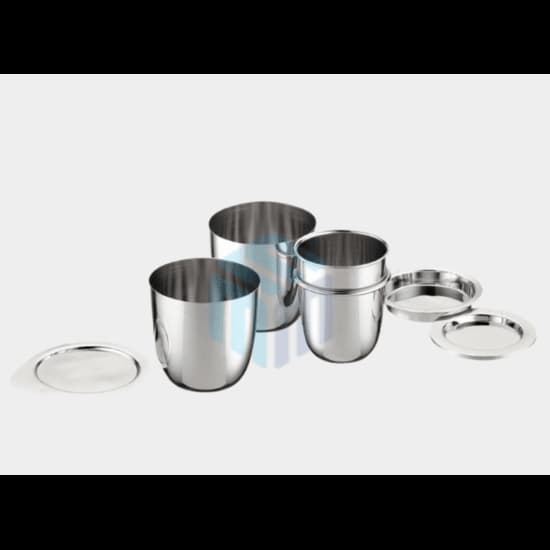
A platinum crucible is a small, bowl-shaped container made primarily from platinum or platinum alloys (often with 3–10% gold or iridium) to improve strength. These crucibles can withstand temperatures above 1700°C and are used in applications like fusion sample preparation, ash testing, and trace metal analysis.
They are available in various capacities, such as platinum crucible 25 ml or platinum crucible 50 ml, and are often paired with matching lids for safe and controlled heating.
In laboratories, platinum crucibles are used extensively for processes like gravimetric analysis, melting point determination, and high-temperature reactions where contamination or chemical reactions with the container must be avoided. Their durability under corrosive and high-temperature conditions allows for precise and reliable results in research, quality control, and industrial labs.
Why Proper Platinum Crucible Maintenance Matters
Platinum crucibles are widely used in high-temperature and analytical applications because of their excellent chemical stability, corrosion resistance, and thermal performance. However, improper care can quickly reduce their effectiveness and lifespan.
Regular and correct maintenance is important because it:
-
Prevents sample contamination caused by residual materials
-
Maintains accurate and repeatable analytical results
-
Extends crucible lifespan, reducing replacement costs
-
Preserves surface integrity, avoiding scratches and deformation
-
Ensures safe operation during high-temperature processes
Even small amounts of residue or surface damage can affect melting behavior and analytical accuracy. Proper maintenance ensures the platinum crucible continues to perform reliably, supports laboratory quality standards, and protects your investment over long-term use.
Platinum Crucible Cleaning Methods Comparison
Different types of contamination require different cleaning methods. Choosing the appropriate cleaning technique helps maintain the platinum crucible’s surface, extends its service life, and ensures accurate analytical results.
| Cleaning Method | Best For | Advantages |
|---|---|---|
| Distilled Water Rinse | Routine cleaning after use | Removes loose residues and prevents contamination. |
| Dilute Nitric Acid Cleaning | Metal oxide residues | Effectively dissolves many inorganic contaminants without damaging the platinum. |
| Fusion Flux Cleaning | Stubborn fused sample residues | Removes difficult deposits and restores the crucible for future use. |
| Thermal Ashing | Organic materials | Burns off carbon-based residues before chemical cleaning. |
| Ultrasonic Cleaning | Fine particles and light contamination | Gently removes small particles from the crucible surface without abrasion. |
Note: Always follow the manufacturer’s recommended cleaning procedures and avoid using abrasive materials or chemicals that may damage the platinum surface.
Platinum Crucible Cleaning Checklist
Following a consistent cleaning routine helps maintain analytical accuracy and prolong the life of your platinum crucible.
- Allow the Crucible to Cool Naturally before cleaning.
- Remove Loose Residues using distilled water or an approved cleaning solution.
- Clean Stubborn Deposits with the recommended acid or fusion cleaning method.
- Avoid Abrasive Materials that could scratch or damage the platinum surface.
- Rinse Thoroughly with deionised or distilled water to remove any cleaning residues.
- Dry Completely before storing or reusing the crucible.
- Inspect for Cracks, Deformation, or Discolouration after cleaning.
- Handle with Clean Platinum or Ceramic Tongs to avoid contamination.
- Store in a Clean, Dry Container away from dust, chemicals, and moisture.
- Record Maintenance Activities if the crucible is used for routine laboratory quality control.
Regular cleaning and inspection help maintain the platinum crucible’s performance, reduce contamination risks, and ensure consistent results in XRF fusion, ICP sample preparation, and other high-temperature analytical applications.
How Neglecting Platinum Maintenance Can Cause Contamination
Regular maintenance is crucial when handling high-precision equipment like platinum crucibles. Neglecting proper care can lead to contamination, which may compromise experimental results or product purity. Residues from previous melts, dust, or chemical deposits can accumulate over time, introducing impurities that are difficult to detect. Even minor contamination can alter chemical reactions, reduce the quality of materials produced, or affect analytical accuracy. Preventative maintenance, including thorough cleaning and inspection, ensures that equipment functions optimally and prevents the risk of unintended contamination that could be costly or hazardous.
Handling Best Practices with Pt Crucible
Handling your Pt crucible with care is the first line of defense. Here are best practices to follow:
- Always use clean, non-metallic tongs or ceramic-tipped tools to avoid scratching or contaminating the surface.
- Avoid direct contact with skin; oils and residues can affect purity.
- Preheat slowly to avoid thermal shock—especially when moving from room temperature to a furnace.
- Do not use platinum crucibles with aggressive halides or molten metals unless the application specifically requires it.
Platinum Crucible Contamination Modes and Root Causes
Contamination in platinum crucibles can occur from sample residues, handling practices, reactive materials, and furnace environments. These contaminants may affect analytical accuracy and reduce crucible life.
| Contamination Type | Root Cause | Impact |
|---|---|---|
| Cross-contamination | Residual sample from previous analysis | Incorrect analytical results |
| Surface contamination | Improper handling or dirty tools | Sample interference |
| Alloy contamination | Reaction with metals such as Fe, Ni, or Pb | Crucible damage and degradation |
| Atmospheric contamination | Furnace impurities and deposits | Surface discoloration and contamination |
Proper cleaning and handling help minimize contamination risks and maintain analytical reliability.
Cleaning Your Platinum Crucible
Routine cleaning is essential. Here’s a safe, effective cleaning process:
- Cool completely before handling.
- Rinse with distilled water to remove loose debris.
- Soak in warm, diluted nitric acid (HNO₃) for 15–30 minutes to dissolve remaining residues.
- Rinse thoroughly again with distilled water.
- Allow it to air-dry on a clean, lint-free surface.
Avoid scrubbing with abrasive pads or metal brushes, as this can damage the platinum surface.
Platinum Crucible: Removing Stubborn Residues
Sometimes, routine cleaning isn’t enough. For stubborn residues:
- Use a fusion flux such as sodium carbonate or lithium tetraborate in a clean crucible, then heat gently to flux away contaminants.
- For organic residues, a gentle ashing process in a muffle furnace at ~500°C can help.
- Never use hydrofluoric acid (HF)—it reacts violently with platinum and poses a severe hazard.
Proper Storage Tips for Platinum Crucibles
Proper storage helps prevent accidental damage or contamination:
- Store in a clean, padded container to avoid dents or scratches.
- Keep away from dust, moisture, and corrosive fumes.
- Do not stack crucibles unless they are separated by clean spacers.
- Avoid placing them near ferrous tools or strong magnetic fields to prevent distortion.
Common Mistakes to Avoid for Platinum Crucibles
To maintain the integrity of your platinum crucible, avoid:
- Overheating above melting point (~1770°C)
- Using incompatible chemicals (e.g., phosphorus pentoxide or halogenated compounds)
- Allowing flux materials to cool and harden inside the crucible
- Cleaning with steel wool or sharp metal objects
- Mixing platinum crucibles with lower-grade materials, which may introduce cross-contamination
Effect of Contamination on XRF and ICP Analysis
Contamination in platinum crucibles can significantly affect the accuracy of analytical techniques such as XRF and ICP.
XRF Analysis
Contaminants may cause fusion bead defects, peak interference, and inaccurate elemental quantification. Residual materials from previous samples can alter XRF results and reduce repeatability.
ICP Analysis
In ICP analysis, contamination may introduce trace elements that lead to false positives, spectral interference, and reduced sensitivity, especially in high-purity applications.
Maintaining clean crucibles is essential for reliable analytical performance.
Reactive Elements That Damage Platinum Crucibles
Certain elements can react with platinum at high temperatures, causing contamination, alloy formation, and structural damage.
Common reactive elements include:
- Iron (Fe): Can alloy with platinum and affect purity
- Nickel (Ni): May cause contamination and surface degradation
- Copper (Cu): Can react under high-temperature conditions
- Lead (Pb): Increases risk of crucible damage
- Silver (Ag): May alter surface characteristics
- Sulfur and phosphorus compounds: Can accelerate corrosion and degradation
Careful sample preparation and material compatibility checks help reduce these risks.
Platinum Crucible Inspection Checklist
Regular inspection helps identify contamination and wear before analytical performance is affected.
✔ Check for surface discoloration
✔ Inspect residue deposits after use
✔ Look for pitting or surface damage
✔ Identify cracks or deformation
✔ Verify surface smoothness and finish
✔ Monitor fusion bead consistency in XRF applications
Routine inspection and maintenance help extend platinum crucible life and ensure accurate laboratory results.
Prevention Strategies for Platinum Crucible Contamination
To ensure sample integrity and extend the life of platinum crucibles, it is essential to minimize contamination risks through proper maintenance:
-
Thorough Cleaning: Use mild acids like aqua regia (with caution) or specialized platinum cleaning agents to remove residues without damaging the metal surface. Avoid abrasive cleaners that can scratch the crucible.
-
Dedicated Use: Assign specific crucibles for different sample types to prevent cross-contamination.
-
Proper Storage: Store crucibles in clean, dust-free environments, preferably wrapped in soft cloths or stored in protective cases to avoid airborne contamination.
-
Regular Inspection: Frequently check for surface deposits, discoloration, or damage, and clean promptly to prevent buildup.
Following these best practices maintains the crucible’s chemical purity and ensures consistent laboratory results.
How Long Does a Platinum Crucible Last?
With proper care, a platinum crucible can last 5–10 years or more, even with regular use. Factors influencing lifespan include:
- Frequency of use
- Type of chemical exposure
- Cleaning and storage practices
Routine inspections and weight checks can help identify signs of thinning or corrosion before failure occurs.
Platinum Crucible Prices & Sizes
The platinum crucible price varies based on size, alloy composition, and platinum market rates. Prices fluctuate based on platinum spot rates and alloying elements. Always request a current quote.
Common Challenges in Maintaining Platinum Crucibles
Despite their durability, platinum crucibles require careful maintenance due to several common challenges:
-
Surface Contamination: Even slight residues from samples, fluxes, or furnace atmospheres can adhere to the crucible surface, affecting purity and experiment accuracy.
-
Mechanical Damage: Although platinum is ductile, mishandling or dropping can cause dents, warping, or deformation, impacting the crucible’s performance.
-
Thermal Stress: Rapid heating or cooling cycles can induce thermal shock, leading to cracks or structural weakening over time.
-
Chemical Attack: While resistant to most chemicals, prolonged exposure to strong alkaline solutions or halogen compounds may cause surface degradation.
Awareness of these challenges helps lab personnel adopt preventive care measures to maximize crucible lifespan.
Signs Your Platinum Crucible Needs Repair or Replacement
Identifying when a platinum crucible requires repair or replacement is key to maintaining lab safety and data accuracy:
-
Visible Deformation or Warping: Significant changes in shape can impair heat distribution and sample containment.
-
Surface Pitting or Corrosion: These indicate chemical damage that can contaminate samples or weaken the crucible.
-
Cracks or Fractures: Any sign of cracking is a serious issue that compromises structural integrity and should prompt immediate replacement.
-
Persistent Contamination: If repeated cleaning fails to restore surface purity, replacement may be necessary to avoid sample contamination.
Regular monitoring and timely intervention prevent unexpected failures and costly laboratory disruptions.
Why Supplier Quality Matters
Supplier quality directly impacts the reliability and consistency of laboratory results or industrial processes. Low-quality suppliers may provide materials or equipment with hidden defects, impurities, or inconsistent specifications, which can compromise experiments or production. High-quality suppliers, on the other hand, ensure that their products meet rigorous standards, offer traceability, and provide reliable customer support. Investing in reputable suppliers reduces the risk of contamination, equipment failure, and production delays, ultimately saving time, money, and ensuring safety in critical applications.
Finding a Reliable Platinum Crucible Supplier
Choosing the right supplier is just as important as choosing the right crucible. Look for:
- ISO-certified manufacturers or distributors
- Transparent pricing and support
- Customization options (e.g., crucible with lid, specific volume)
- Strong reviews or lab references
- Competitive platinum crucibles for sale with warranty coverage
M-Kube Enterprise, for instance, offers a range of high-quality platinum crucibles with global shipping and technical support.
Conclusion
Maintaining your platinum crucibles in laboratories is essential for ensuring long-term performance, precise results, and safety during high-temperature processes. Regular cleaning, careful handling, and proper storage not only extend the lifespan of your platinum alloy crucibles but also protect your investment in these specialized tools. Whether you are using a platinum crucible 25 ml or larger sizes, following these best practices minimizes contamination, prevents damage, and ensures consistent laboratory results.
Investing in quality and proper maintenance also helps you manage platinum crucible cost effectively, making sure your laboratory equipment delivers maximum value. Don’t wait for wear and tear to affect your experiments—take proactive steps today.
Upgrade your lab efficiency now: Explore our premium range of platinum crucibles for laboratories designed for durability, precision, and easy maintenance. Click here to view our collection and secure the right crucible for your needs!