
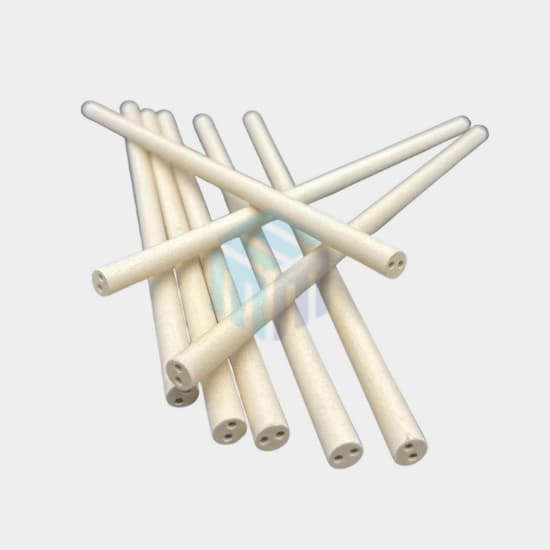
Magnesia (MgO) tubes are widely used in laboratories for applications ranging from high-temperature furnace operations and thermocouple protection to specialized chemical reactions. Their appeal lies in excellent thermal stability, electrical insulation, and resistance to aggressive environments. Yet, despite their robust properties, magnesia tubes are not immune to damage or contamination. Improper handling can cause microcracks, aggressive cleaning agents may compromise surface integrity, and neglecting routine maintenance can shorten their service life. For researchers and engineers who rely on precision and consistency, understanding how to properly handle, clean, and maintain magnesia tubes is essential to preserving both equipment longevity and experimental accuracy.
Proper handling, cleaning, and maintenance are vital not only to maximize the performance of magnesia tubes but also to prolong their service life. In this guide, we’ll explore best practices to ensure your magnesia rods and MgO components remain reliable and safe to use in demanding lab conditions.
What Are Magnesia Tubes and Rods?
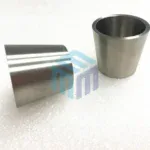
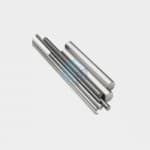
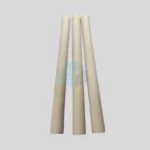
Magnesia tubes and rods are precision-engineered components made from high-purity magnesium oxide (MgO), valued for their exceptional thermal stability, electrical insulation, and chemical inertness. With a melting point above 2800 °C, MgO ceramics maintain structural integrity in extreme heat, making them indispensable in high-temperature and corrosive environments.
These components are widely used in thermocouples, furnace linings, heating elements, and electrical insulation assemblies, where they prevent electrical conduction while withstanding rapid temperature fluctuations. Their resistance to most acids, alkalis, and slags ensures long service life, even in aggressive industrial atmospheres. Magnesia tubes are often hollow for housing wires or sensors, while rods are solid and serve as support or insulating elements in high-performance systems.
Composition and Properties of MgO Tubes
Magnesia tubes and rods are made from high-purity magnesium oxide (MgO)—a ceramic material with:
- Maximum temperature 2400°C
- Excellent thermal conductivity
- Superior electrical insulation properties
- Chemical inertness under oxidizing and neutral atmospheres
These properties make MgO rods ideal for extreme environments that other ceramics cannot withstand.
Common Applications: MgO Tubes
You’ll often find magnesia rods and tubes used in:
- Insulation for thermocouple wires
- High-temperature furnace linings
- Crucible supports
- Protective sheaths in heating elements
These are commonly referred to as magnesia tubes for thermocouples in laboratory and process engineering.
Handling Magnesia Tubes: Do’s and Don’ts
When handling magnesia tubes, always use clean gloves to prevent surface contamination and store them in a dry, cushioned environment to avoid moisture absorption. Avoid sudden temperature shocks or mechanical impact, as MgO ceramics can be brittle under stress.
Fragility of Ceramic Materials
Although thermally robust, magnesia is inherently brittle. Improper handling can lead to cracks, chips, or complete breakage.
Best Practices:
- Always handle with clean gloves to prevent contamination.
- Avoid any sudden impact or dropping.
- Use two hands when moving longer rods or tubes.
Safe Storage Guidelines
To prevent damage during storage:
- Store horizontally in padded containers.
- Do not stack magnesia tubes directly—use spacers.
- Keep in low-humidity environments to avoid moisture absorption.
Cleaning Procedures for Magnesia Tubes
Clean magnesia tubes using a soft brush or compressed air to remove loose debris, and rinse with high-purity alcohol or deionized water if needed. Avoid harsh acids or prolonged soaking to prevent surface degradation.
When and Why to Clean
Cleaning is essential before reusing magnesia tubes—especially after:
- High-temperature experiments
- Chemical exposure
- Cross-contamination risk between materials
Recommended Cleaning Methods
- Use a soft, non-metallic brush to remove residue.
- Rinse with deionized water.
- For chemical buildup, use a dilute acid (e.g., acetic acid), but confirm compatibility first.
- Air-dry or bake at low temperature (100–150°C) to prevent thermal shock.
Magnesia Tubes: Maintenance Tips for Long-Term Use
For long-term use, store magnesia tubes in a moisture-free, cushioned environment to prevent cracking and hydration. Inspect regularly for surface damage, and avoid rapid heating or cooling cycles that can induce thermal stress.
Periodic Inspection
Inspect magnesia rods regularly for:
- Hairline cracks
- Discoloration
- Structural integrity
Use a magnifying glass or flashlight for closer inspection.
Repair vs. Replacement
Never attempt to repair cracked magnesia tubes for critical applications—especially in thermocouple or furnace setups. Damaged tubes should be:
- Logged in your lab records
- Disposed of responsibly
- Replaced with certified new parts
Selecting Quality Magnesia Tubes and Rods
When selecting magnesia tubes and rods, prioritize high-purity MgO content (≥99%) for maximum thermal stability and electrical insulation. Check for uniform grain structure, precise dimensional tolerances, and absence of cracks or inclusions to ensure performance in extreme environments. Choose products from reputable suppliers who offer custom sizes and verify quality through material certifications and thermal shock testing.
Choosing the Right Grade
For laboratory and industrial use, select high-purity, high-density MgO tubes. These offer:
- Greater mechanical strength
- Better thermal shock resistance
Look for:
- High-temperature magnesia tubes
- Laboratory magnesia tubes
Sizing and Customization Options
Specifications to consider:
- Inner and outer diameters
- Length and wall thickness
- Compatibility with thermocouple types or furnace dimensions
Custom sizing is often available for research labs.
Magnesia Tubes and Rods: Common Failures and How to Avoid Them
Common failures in magnesia tubes and rods include thermal shock cracking, moisture-induced hydration, and mechanical breakage from improper handling. These issues can be avoided by gradual heating and cooling during operation, storing MgO components in airtight, low-humidity environments, and using padded supports to prevent impact damage. Regular inspection for microcracks and replacing worn parts before critical failure also extends service life.
Causes of Magnesia Tube Breakage
- Thermal shock from rapid temperature changes
- Improper mounting
- Mechanical impact or vibration
Preventative Measures: Magnesia Tube
- Preheat gradually to operating temperatures
- Cool down slowly in a controlled furnace atmosphere
- Use support fixtures that allow for expansion and contraction
Magnesia Tube and Rods: Environmental and Safety Considerations
Magnesia tubes and rods are non-toxic and chemically stable, posing minimal environmental hazards during use. However, fine MgO dust generated during machining or breakage can irritate the respiratory tract, so proper ventilation and PPE are essential. Environmentally, their long lifespan and recyclability reduce waste, but disposal should comply with local regulations to prevent particulate release into air or water systems.
Handling MgO Dust
Cutting or grinding magnesia rods can release fine dust.
Safety tips:
- Work under a fume hood
- Use protective gloves, goggles, and a dust mask or respirator
- Clean work surfaces with a damp cloth, not air-blowing
Disposal and Recycling
Magnesium oxide (MgO) is generally non-toxic and environmentally inert, but local regulations should be followed for ceramic waste disposal. Check with your facility’s EHS guidelines.
Conclusion
Magnesia tubes are indispensable in laboratory environments where high-temperature stability, chemical resistance, and electrical insulation are required. However, their performance and lifespan depend heavily on proper handling, meticulous cleaning, and preventive maintenance. Rough handling can lead to microcracks, while inappropriate cleaning agents may introduce contamination or degrade the tube surface. By following best practices—such as controlled heating and cooling, using non-abrasive cleaning methods, and conducting regular inspections—researchers can preserve the integrity of magnesia tube and ensure reliable experimental results. Ultimately, investing time in correct maintenance not only safeguards expensive equipment but also upholds the accuracy and consistency of laboratory operations.
Need Lab-Grade Magnesia Tubes or Rods?
Get in touch with us for high-purity MgO rods and magnesia tubes customized to your lab’s specifications. We ship across the United States, offering competitive pricing, bulk discounts, and fast delivery.
📧 Email: info@mkubeenterprise.com
📞 Call: +1-732-808-1999