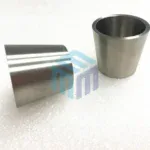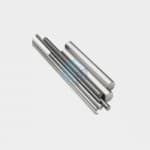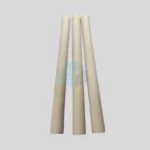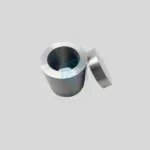

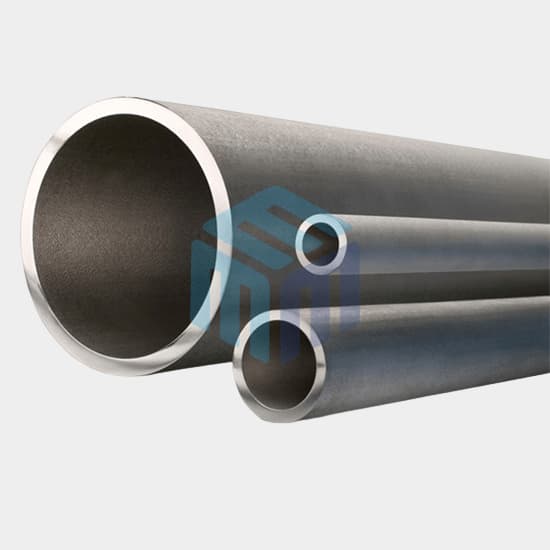
Silicon carbide (SiC) tubes are critical components in high-temperature and corrosive environments — from furnace radiant tubes to protection sleeves for thermocouples. Their remarkable strength, thermal shock resistance, and chemical durability make them ideal. But SiC tubes are not immune to fatigue. Over time, microcracks, grain degradation, or internal damage can compromise their integrity, leading to sudden failure.
In this blog, we’ll walk you through the key signs of tube fatigue, explain why they happen, and guide you on when to proactively replace your SiC tube before things go wrong. Whether you’re using SiC thermocouple protection tubes, sintered silicon carbide rods, or other variants like SSiC tube, RSiC tube, RbSiC tube, or NbSiC tube, this guide is for you.
What Causes Fatigue in SiC Tubes?
Before diving into the signs, it helps to understand what drives fatigue in silicon carbide (SiC) components. Some of the most common mechanisms include:
- Thermal Cycling
Repeated heating and cooling causes expansion and contraction, which can generate microcracks internally. Over time, these cracks grow. Studies on SiC/SiC composites under cyclic loading show that damage evolves even at high temperatures (750 °C to 1300 °C). - Oxidation and Environmental Attack
In oxidizing atmospheres, SiC can form a passive silica layer, but prolonged exposure (especially at very high temperatures) can degrade this layer and weaken the tube. - Microcracking
Internal microcracks can arise from handling, manufacturing defects, or operational stress. Once initiated, these cracks can grow under cyclic load. Researchers have documented microcrack growth and eventual failure in SiC composites. - Mechanical Contact / Stress Concentration
For example, in SiC/SiC composite tubes subjected to radial expansion or hard contact, internal defects and surface roughness can accelerate failure. - Brittle Fracture Nature
Unlike metals, ceramics like SiC don’t yield. When cracks propagate, failure can be sudden.
When to Replace Your SiC Tube — Decision Guidelines
It’s not always obvious when to pull a SiC tube out of service. Here’s a decision-making framework:
- Baseline Inspection on Commissioning
- At installation, record visual condition (cracks, surface) and dimensions.
- Use this as a reference point.
- Scheduled Visual Inspections
- After a set number of thermal cycles or hours, inspect for visible signs (cracks, spalling, deformation).
- Use borescopes or high-resolution cameras if the tube is hard to access.
- Non-Destructive Testing (NDT)
- Consider acoustic emission monitoring if feasible. It can detect evolving microcracks.
- In research settings, bending or proof testing can reveal weak tubes. But in real-world service, it’s often impractical.
- Track Performance Metrics
- Log operating temperature, cycle count, atmosphere conditions (oxidizing, inert, steam), and load.
- Compare actual service life to expected fatigue limits. For example, fatigue limit stresses in SiC/SiC composites drop significantly in steam.
- Replacement Criteria
Replace when:- Visible cracks grow beyond a certain size or if there are multiple cracks.
- Wall thinning exceeds safe tolerance.
- Spalling or erosion is significant.
- Acoustic emission indicates ongoing crack growth, and projected remaining life is minimal.
- Post-Replacement Analysis
- Always examine the failed/removed tube. Understanding the failure mechanism (microcracking, oxidation, contact damage) will help improve your next selection or maintenance plan.
Material Considerations: SiC Grades & Fatigue Resistance
Not all silicon carbide tubes or rods are the same. The grade and manufacturing type significantly influence fatigue behavior.
- SSiC (Pressureless Sintered Silicon Carbide) tube: High purity, excellent chemical resistance, often used when corrosion is a concern.
- RSiC (Recrystallized SiC) tube: Good for thermal cycling applications.
- RbSiC / SiSiC (Reaction-Sintered) tube: Useful for complex shapes; cost-effective.
- NbSiC (Nitrogen-Carbon Bonded SiC) tube: Often more economical.
The right material choice depends on your application (temperature, atmosphere, mechanical stress). M-Kube Enterprise LLC offers customized silicon carbide solutions to match your needs.
Proactive Strategies to Minimize Fatigue Risk
- Control Thermal Ramp Rates: Slow, controlled heating/cooling reduces thermal shock. This is one of the most effective ways to prevent fatigue.
- Maintain Proper Atmosphere: Avoid aggressive oxidizing or corrosive gases if possible; monitor and control the furnace environment.
- Optimize Tube Design: Ensure you have correct clearances, avoid unsupported spans, and minimize stress concentrators.
- High-Quality SiC: Use premium-grade SiC. Higher-purity materials typically resist fatigue better.
- Regular Maintenance: Clean tubes, inspect periodically, and plan replacements ahead of catastrophic failure.
Conclusion
Silicon carbide (SiC) tubes, rods, and pipes are workhorses in high-temperature, aggressive environments — thanks to their hardness, chemical resistance, and thermal stability. But over time, fatigue can creep in, driven by thermal cycling, oxidation, microcracks, and other stressors.
By staying alert to the signs of fatigue — such as cracking, surface degradation, acoustic emissions, or thinning — you can take preemptive action and replace your SiC components before a catastrophic failure. Combine that with regular inspections, smart material selection (SSiC, RSiC, RbSiC, NbSiC), and good operational practices, and you’ll maximize both safety and uptime.
At M-Kube Enterprise LLC we specialize in offering customized silicon carbide tubes, rods, and protection sleeves tailored to your application. If you’re concerned about fatigue, feel free to get in touch — we can help you choose the right SiC grade and plan a maintenance or replacement strategy that fits your needs.