
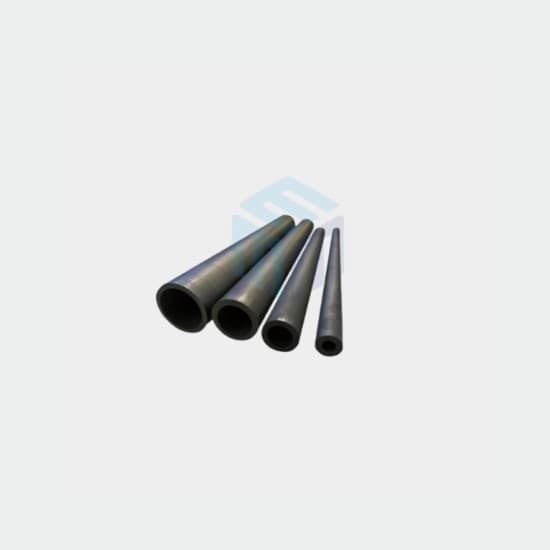
Graphite rods are among the most widely used electrodes in industrial and laboratory applications due to their excellent electrical conductivity, thermal stability, and chemical resistance. Whether you are looking for high-density graphite rods, hollow graphite tubes, or graphite bars, understanding the key properties and applications helps in selecting the right electrode for your needs.
This guide covers everything from the types and grades of graphite rod electrodes to their industrial applications, advantages over metal electrodes, limitations, and practical tips for selection and maintenance.
Key Properties That Make Graphite Ideal for Electrodes:
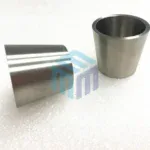
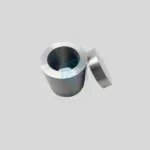
- High Electrical Conductivity: Graphite is an excellent conductor of electricity, making it ideal for use as electrodes in electrical applications such as electrolysis, electroplating, and arc welding. Additionally, pure graphite crucibles are widely used in high-temperature applications due to their excellent thermal conductivity and resistance to thermal shock, ensuring efficient and reliable performance in various industrial processes.
- Chemical Inertness: Graphite is chemically inert and resistant to many chemicals and corrosive substances. This property makes graphite electrodes suitable for use in processes involving harsh environments or reactive materials, where other materials might corrode or react.
- High Temperature Resistance: Graphite can withstand high temperatures without significant deformation or degradation. This makes graphite electrodes suitable for applications involving intense heat, such as electric arc furnaces for metal melting and refining.
- Mechanical Strength: Graphite has good mechanical strength and can withstand mechanical stress and vibration, making it durable and long-lasting in electrode applications.
- Low Thermal Expansion: Graphite has a low coefficient of thermal expansion, meaning it expands and contracts minimally with changes in temperature. This property helps maintain dimensional stability and prevents cracking or warping during thermal cycling.
- Ease of Machining: Graphite is relatively easy to machine and shape into various electrode designs and sizes, allowing for customization to suit specific application requirements.
- Carbon-Based Material: Being a carbon-based material, graphite electrodes are compatible with carbon-containing materials, making them suitable for processes involving carbon electrodes, such as in electrolytic cells and arc furnaces.
Overall, the combination of high electrical conductivity, chemical inertness, high-temperature resistance, mechanical strength, and ease of machining makes graphite rods a preferred choice for electrodes in a wide range of industrial, scientific, and technological applications.
Types and Grades of Graphite Rod Electrodes
Graphite rods are manufactured in various forms and grades to meet specific application requirements:
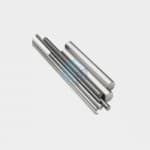
- Solid Graphite Rods – Standard electrodes used in furnaces, electrolysis, and laboratory applications.
- High-Density Graphite Rods – Offer higher mechanical strength and longer lifespan.
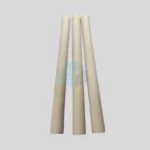
- Hollow Graphite Tubes – Reduce weight and improve heat dissipation for specialized uses.
- Graphite Pipes & Bars – Used in larger-scale electrochemical or metallurgical processes.
Selecting the right graphite rod supplier ensures consistent quality, precise dimensions, and reliable performance.
Industrial Applications of Graphite Rod Electrodes
Graphite rod electrodes are used across a wide range of industries:
- Metallurgy – Arc furnaces, induction melting, and refining operations.
- Electrochemical Processes – Electrolysis, chemical production, and batteries.
- Laboratory & Research – Electrochemical experiments and high-temperature reactions.
- Semiconductor Manufacturing – High-purity graphite rods support controlled chemical environments.
From graphite round bars to custom electrode shapes, graphite’s versatility meets diverse industrial demands.
Limitations of Graphite Rod Electrodes You Should Know
While graphite rods are highly versatile, they do have some limitations:
- Brittleness – Susceptible to mechanical breakage under impact.
- Oxidation at High Temperatures – Can degrade in open-air environments above 500°C without protective coatings.
- Wear Over Time – Continuous current flow and chemical exposure gradually reduce electrode size.
Proper handling, storage, and maintenance mitigate these risks and extend electrode life.
Why Choose Graphite Over Metal Electrodes?
Graphite electrodes offer several advantages compared to traditional metal electrodes:
- Higher Temperature Tolerance – Metals may deform or oxidize under extreme heat.
- Chemical Resistance – Graphite withstands corrosive environments that can damage metals.
- Lower Cost – Graphite rods are often more cost-effective for large-scale industrial use.
- Machinability – Easy to shape and customize without losing performance.
How to Select the Right Graphite Rod Electrode for Your Application
Consider the following factors when choosing graphite rods or graphite tubes:
- Electrical Requirements – Match conductivity and current load capacity.
- Thermal Conditions – Ensure temperature tolerance for your process.
- Chemical Environment – Select material grade resistant to specific acids, bases, or salts.
- Mechanical Durability – High-density rods or reinforced hollow tubes for high-stress operations.
- Supplier Reliability – Choose a graphite rod supplier providing consistent quality and dimensional accuracy.
Conclusion:
Graphite rods are chosen as electrodes because of their excellent electrical conductivity, high-temperature resistance, and chemical stability. These properties make them ideal for applications like electrolysis, arc welding, and metal production, where reliable performance under extreme conditions is essential. Their durability, affordability, and ability to maintain structural integrity in harsh environments make graphite electrodes a preferred solution across industries. Whether for industrial-scale use or laboratory settings, graphite rods continue to be a smart and efficient choice for electrode materials.