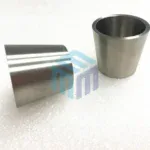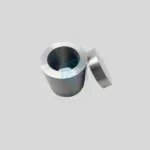

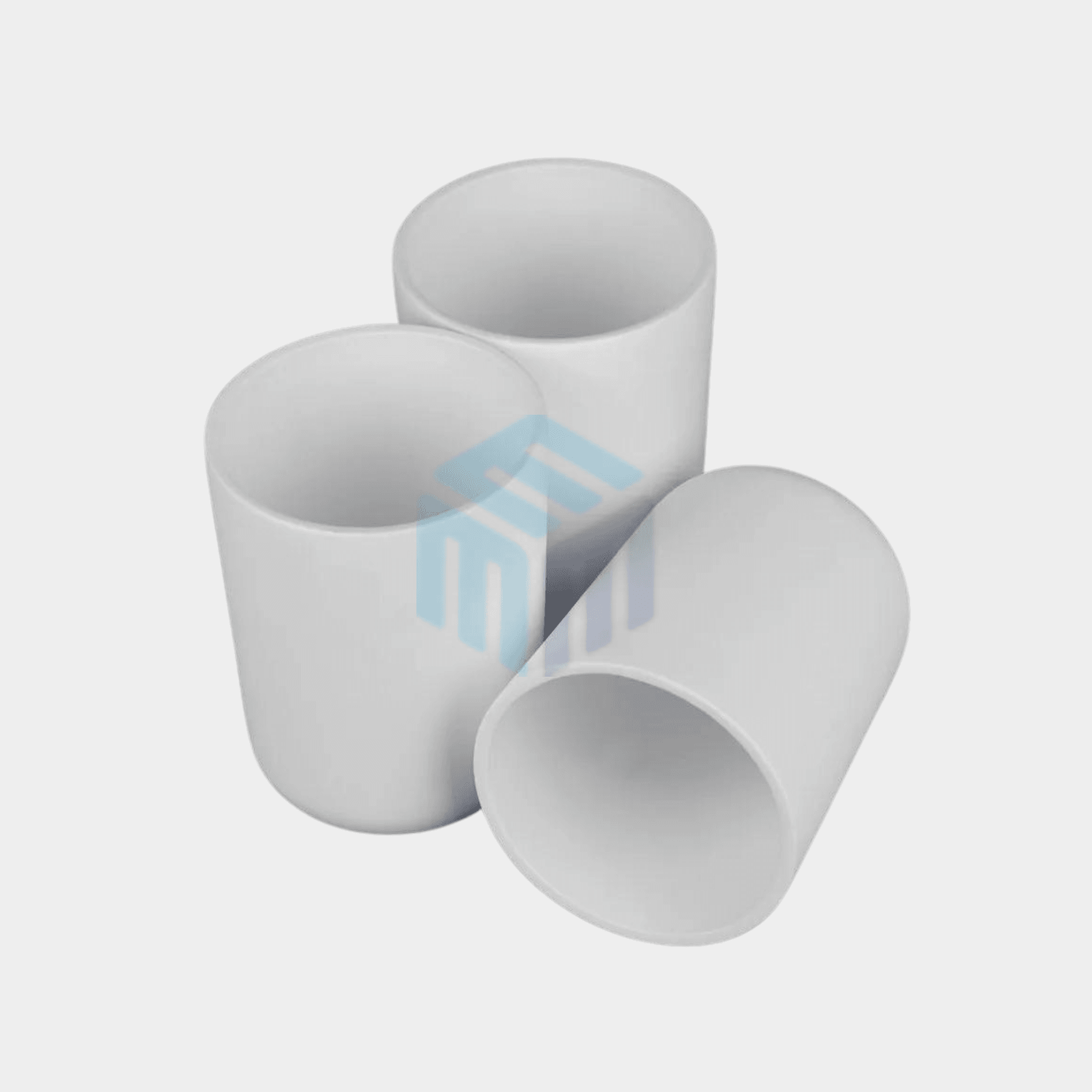
Zirconia (ZrO₂) crucibles are renowned for their exceptional strength, high melting point, and chemical inertness, making them a preferred choice in laboratories and industries handling extreme heat and corrosive environments. However, even the most durable zirconia oxide crucible is not immune to wear and abrasion.
Over time, improper handling, thermal shock, or reaction with aggressive materials can cause degradation that affects performance and contaminates samples. Understanding how to identify early signs of wear—and taking preventive steps—can help extend the service life of zirconia crucibles and optimize your operational efficiency.
What Causes Zirconia Crucible Wear and Why It Matters
Zirconia crucible wear is mainly caused by high temperatures, thermal shock, chemical corrosion, and mechanical stress during operation. These factors gradually weaken the material and can introduce contamination. Managing wear is essential to maintain product purity, prevent failures, and ensure consistent performance.
- High Temperature Exposure
- Continuous operation at extreme temperatures leads to gradual material degradation
- Causes micro-cracking and structural weakening over time
- Thermal Shock
- Rapid heating or cooling creates stress within the crucible
- Can result in cracks or sudden failure
- Chemical Corrosion
- Reaction with molten materials or impurities damages the crucible surface
- Reduces purity and lifespan
- Mechanical Stress and Erosion
- Movement of molten material or handling can wear down inner surfaces
- Leads to thinning and reduced durability
- Contamination Build-Up
- Residue accumulation affects material purity
- Can introduce defects into the final product
- Why It Matters
- A worn crucible can compromise product quality and consistency
- Increases risk of failure, downtime, and production costs
- Regular monitoring and proper handling help extend service life and maintain performance
What Is a Zirconia Crucible? Key Properties & Applications
A zirconia crucible is a high-performance ceramic container made from zirconium dioxide (zirconia) that is designed to withstand extreme temperatures and aggressive chemical environments. Zirconia crucibles are valued for their excellent wear resistance, high mechanical strength, and chemical inertness, which make them ideal for melting, calcining, and processing metals, glass, and other reactive materials.
Common applications include high-temperature laboratories, metal casting, ceramic processing, and chemical reactions where contamination must be minimized. Their durability, thermal shock resistance, and stability at elevated temperatures ensure reliable performance in demanding industrial and scientific settings, making zirconia crucibles an essential tool for precise, high-temperature operations.
What Causes Wear and Abrasion in Zirconia Crucibles?
Even though zirconia crucibles outperform most ceramic materials, several operational factors can shorten their lifespan. Let’s explore the major causes of wear and abrasion.
- Mechanical Abrasion from Hard Materials
Repeated loading, stirring, or melting of hard materials—such as carbides, oxides, or metallic powders—can erode the inner surface of the crucible. The mechanical friction between molten or solid particles and the crucible wall causes micro-scratches and surface thinning, eventually leading to cracking or pitting.
- Thermal Shock and Uneven Heating
Zirconia is strong, but it is not immune to thermal stress. Rapid temperature changes—such as heating the crucible too quickly or quenching it abruptly—can induce micro-cracks. Over time, these cracks propagate and weaken the crucible wall, making it more susceptible to abrasion.
- Chemical Reactions with Molten Materials
In certain high-temperature reactions, molten metals or fluxes can partially react with zirconia, especially in alkaline or fluorine-rich environments. This leads to:
- Surface etching
- Loss of surface polish
- Gradual reduction in wall thickness
These chemical interactions accelerate both wear and contamination, affecting experimental results.
- Contaminated or Impure Loads
Introducing impure materials or reactive chemicals into the crucible may trigger localized corrosion. For instance, trace chlorides or sulfates can react with zirconia at elevated temperatures, creating weak zones prone to abrasion.
- Poor Handling and Cleaning Practices
Mechanical impacts, scraping with metal tools, or aggressive cleaning compounds can damage the surface finish of zirconia crucibles with lids. Even small surface imperfections can expand under heat cycles, leading to visible wear patterns.
Identifying and mitigating these wear factors early helps maintain crucible integrity, extend service life, and ensure stable high-temperature processing.
Zirconia Crucible Wear Inspection Checklist
Regular inspection can help identify early signs of wear and prevent unexpected crucible failure. Use the following checklist to assess the condition of your zirconia crucible:
- Check for visible cracks, chips, or edge damage.
- Inspect the interior surface for scratches, pitting, or abrasion marks.
- Look for discoloration that may indicate chemical attack or contamination.
- Examine the crucible walls for thinning or uneven wear.
- Check for signs of thermal shock, such as fine hairline cracks.
- Inspect the rim and base for structural damage or deformation.
- Remove and evaluate any residue buildup that could affect performance.
- Verify that the crucible maintains its original shape and dimensions.
- Look for contamination that may compromise sample purity.
- Replace the crucible if significant wear, cracking, or material loss is detected.
Performing routine inspections before and after high-temperature processes can help extend crucible life, maintain testing accuracy, and reduce the risk of unexpected equipment downtime.
How to Identify Zirconia Crucible Wear Early
Early detection is critical for avoiding catastrophic crucible failure during experiments or melting operations. Here’s what to look for during inspection:
- Surface Dullness or Discoloration
A glazed or roughened appearance indicates either chemical interaction or abrasive wear. Discoloration, especially gray or brown patches, may signal oxidation or metal diffusion.
- Fine Cracks and Pitting
Hairline cracks or pits visible on the crucible’s inner wall are often early indicators of thermal shock damage or mechanical erosion.
- Loss of Volume or Thinning Walls
Measuring crucible dimensions periodically can reveal gradual material loss caused by abrasive loading or chemical corrosion.
- Contaminated Melts
If melted products show unexpected impurities, it could be due to zirconia wear debris mixing with the melt, signaling internal surface degradation.
Early detection of these warning signs allows for timely intervention, preventing catastrophic damage and ensuring consistent high-temperature performance.
How to Prevent Zirconia Crucible Wear and Extend Lifespan
A few simple operational guidelines can significantly reduce zirconia crucible wear and maximize efficiency.
- Implement Controlled Heating and Cooling
Always preheat crucibles gradually to reduce thermal shock. Avoid direct flame contact and ensure even heat distribution, especially in induction or resistance furnaces.
- Use Appropriate Loading Techniques
Avoid overfilling or dropping hard materials into the crucible. Use soft tools or tongs lined with heat-resistant material when loading and unloading.
- Maintain Clean Operating Conditions
Residue buildup can accelerate wear. Clean zirconia crucibles using mild, non-abrasive methods. Avoid wire brushes or metal scrapers that can scratch the surface.
- Choose Compatible Materials
For corrosive melts, use yttria-stabilized zirconia (YSZ) or magnesia-stabilized zirconia crucibles—these variants offer enhanced chemical stability against aggressive materials.
- Use Protective Lids and Covers
A zirconia crucible with lid helps reduce oxidation, contamination, and evaporation losses at high temperatures, all of which contribute to extended service life.
Following these best practices ensures longer crucible life, reliable high-temperature performance, and reduced downtime in industrial processes.
How to Choose the Right Zirconia Crucible for Your Application
When purchasing zirconia crucibles for sale, consider factors such as:
- Operating temperature range
- Atmosphere type (oxidizing, inert, or reducing)
- Chemical reactivity of materials
- Desired purity level
- Crucible geometry and size
Working with reliable zirconia crucible suppliers ensures consistency in quality, material purity, and thermal performance.
Though the zirconia crucible price may be higher than that of alumina or quartz crucibles, the longer lifespan and superior resistance often justify the investment for research labs and manufacturing industries.
Why Choose M-Kube Enterprise LLC for High-Quality Zirconia Crucibles
At M-Kube Enterprise LLC, we supply a wide range of zirconia oxide crucibles engineered for high-temperature and chemically demanding applications. Our product line includes:
- Standard and custom zirconia crucible sizes
- Zirconia crucibles with lids for reduced contamination
- Yttria- and magnesia-stabilized zirconia options for enhanced durability
Whether you’re conducting metal casting, crystal growth, or analytical research, M-Kube Enterprise LLC provides reliable, high-purity zirconia crucibles backed by technical expertise and prompt delivery.
Conclusion: Prolonging the Life of Your Zirconia Crucibles
While zirconia crucibles are built for extreme conditions, premature wear often results from avoidable operational issues—such as rapid temperature changes, abrasive materials, and poor cleaning practices. Recognizing early signs of damage and adhering to proper usage guidelines can help you maximize crucible lifespan, minimize contamination, and maintain consistent results in high-temperature applications.
Looking for durable zirconia crucibles that withstand wear and abrasion?
Contact M-Kube Enterprise LLC, a trusted zirconia crucibles supplier, for high-quality crucibles tailored to your thermal processing needs.
Call us at +1-732-808-1999
Email: info@mkubeenterprise.com