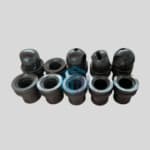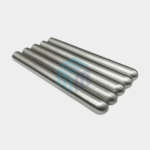


When it comes to high-temperature applications, selecting the right ceramic tube is critical for ensuring performance, durability, and cost-efficiency. Among the most widely used options are alumina tubes, quartz tubes, and silicon carbide tubes—each offering distinct advantages depending on the operating environment and application needs. When comparing alumina tubes, quartz tubes, and silicon carbide tubes, each material offers distinct advantages and drawbacks based on factors like temperature resistance, mechanical strength, chemical resistance, and cost. Here’s a detailed comparison to help you choose the best option for your specific application:
Temperature Resistance
- Alumina Tubes:
- Withstand temperatures up to 1800°C or more, particularly when made from high-purity alumina (99.7% or higher).
- Suitable for extreme high-temperature environments, such as furnaces and kilns.
- Quartz Tubes:
- Can withstand temperatures up to 1100°C.
- Suitable for moderate temperature applications but not ideal for extremely high temperatures.
- Silicon Carbide Tubes:
- Have the highest temperature resistance of the three, handling temperatures up to 1600–2400°C depending on the grade.
- Ideal for applications involving extremely high heat and harsh environments, such as high-temperature furnaces or combustion chambers.
Mechanical Strength
- Alumina Tubes:
- Excellent mechanical strength and durability, making them resistant to wear and stress at high temperatures.
- Can withstand heavy mechanical and thermal loads.
- Quartz Tubes:
- Fragile compared to alumina and silicon carbide. Quartz is more prone to breaking under mechanical stress or impact, making it less durable.
- Silicon Carbide Tubes:
- Superior mechanical strength and hardness, making them highly resistant to wear, abrasion, and thermal stress.
- Often preferred in environments with high mechanical loads.
Thermal Shock Resistance
- Alumina Tubes:
- Good thermal shock resistance, but not as high as quartz. Rapid heating and cooling can cause cracking if not managed carefully.
- Quartz Tubes:
- Excellent thermal shock resistance. Quartz can withstand sudden changes in temperature without cracking, making it useful in applications where rapid heating or cooling occurs.
- Silicon Carbide Tubes:
- Moderate thermal shock resistance, better than alumina but not as good as quartz. Silicon carbide is tough, but extreme temperature fluctuations can still pose a challenge.
Chemical Resistance
- Alumina Tubes:
- Highly resistant to chemical attack, especially from most acids and bases. Ideal for processes involving reactive chemicals at high temperatures.
- Quartz Tubes:
- High resistance to chemical corrosion, particularly in oxidizing environments. However, it can be attacked by strong alkaline substances at high temperatures.
- Silicon Carbide Tubes:
- Extremely resistant to chemical corrosion from a wide range of chemicals, including strong acids and alkalis. This makes it suitable for highly corrosive environments.
Electrical Insulation
- Alumina Tubes:
- Excellent electrical insulator at high temperatures, making it ideal for applications where electrical insulation is crucial (e.g., thermocouple protection).
- Quartz Tubes:
- Also a good electrical insulator, although alumina is generally preferred when higher thermal stability and electrical insulation are needed.
- Silicon Carbide Tubes:
- Not a good insulator, as silicon carbide has some electrical conductivity, especially at high temperatures. It’s more suitable for applications where electrical conductivity is not a concern.
Cost
- Alumina Tubes:
- Typically, mid-range in terms of cost. They offer a balance between performance and price, particularly for high-temperature applications requiring strength and durability.
- Quartz Tubes:
- Generally more affordable than alumina or silicon carbide, especially for moderate temperature applications. However, the fragility may lead to more frequent replacements.
- Silicon Carbide Tubes:
- More expensive than both alumina and quartz due to their superior properties. However, their durability and high-temperature resistance can justify the cost in demanding applications.
Applications
- Alumina Tubes:
- Used in furnaces, thermocouple protection, kiln furniture, high-temperature processing, powder processing, and scientific research.
- Preferred when both high-temperature resistance and mechanical strength are required.
- Quartz Tubes:
- Used in optics, semiconductor processing, light sources, and moderate temperature applications where thermal shock resistance is critical.
- Suitable for applications with rapid heating/cooling cycles but moderate temperature limits.
- Silicon Carbide Tubes:
- Used in high-temperature furnaces, combustion systems, heat exchangers, and abrasive environments.
- Ideal for extreme temperature applications and environments with high mechanical or chemical stress.
Durability and Longevity
- Alumina Tubes:
- High durability, especially in high-temperature or chemically aggressive environments, leading to longer life spans compared to quartz.
- Quartz Tubes:
- Less durable due to their fragility, leading to shorter lifespans in environments with mechanical or thermal stress.
- Silicon Carbide Tubes:
- Highly durable, with excellent resistance to wear and tear, especially in abrasive or chemically corrosive environments.
How to Choose the Right Tube for Your Application
To choose the right tube, consider your operating temperature, chemical environment, and mechanical demands.
-
For high temperatures (above 1600°C), alumina or silicon carbide is best.
-
For thermal shock resistance, choose quartz.
-
In highly corrosive environments, quartz or silicon carbide perform well.
-
For abrasion or mechanical wear, silicon carbide stands out.
Also factor in cost and consult your supplier to ensure the material fits your specific process needs.
Conclusion:
Choosing between alumina, quartz, and silicon carbide tubes ultimately depends on the specific demands of your application. Alumina tubes offer a reliable balance of high-temperature stability, electrical insulation, and chemical resistance, making them a versatile choice for many industrial uses. Quartz tubes stand out in applications requiring excellent thermal shock resistance and optical transparency, particularly in lab and semiconductor settings. Silicon carbide tubes deliver unmatched performance in extreme conditions involving high heat, abrasion, and corrosive environments. Understanding the strengths and limitations of each material allows you to make an informed decision that ensures optimal performance, durability, and cost-efficiency in your operation.