
If you’re setting up a battery research lab or upgrading your testing workflow, choosing the right coin cell preparation kit can feel overwhelming. With so many options—different coin cell cases, coin cell assembly parts, tooling systems, and assembly accessories—it’s easy to either overspend or end up with an incomplete setup.
Whether you’re working in academic research or industrial R&D, this practical guide will help you choose the right coin cell kit with confidence.
Why Choosing the Right Coin Cell Kit Matters
Coin cell testing is widely used in lithium-ion and next-generation battery research because it offers:
- Fast prototyping
- Low material consumption
- Repeatable results
- Easy scalability for lab testing
However, inconsistent coin cell fabrication due to poor tooling or incompatible components can lead to unreliable data.
The right setup ensures:
- Proper sealing
- Consistent pressure
- Accurate electrochemical performance
What’s Included in a Typical Coin Cell Kit?
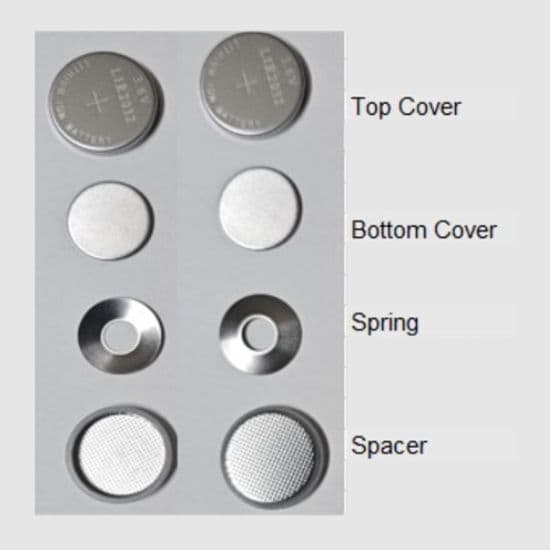
A complete coin cell kit includes essential coin cell assembly parts required for building button cells.
Core Components:
- Coin cell cases (CR2032, CR2025, etc.)
- Spacers and springs
- Gaskets (insulation rings)
- Current collectors
- Sealing tools (crimping machine or manual crimper)
Some advanced kits also include:
- Electrode cutting tools
- Glove box compatibility accessories
- Heating or pressing tools
Understanding these components is key to selecting the right kit for your application.
Step-by-Step: Understanding the Coin Cell Making Process
Before choosing a kit, it helps to understand the coin cell making process.
Basic Workflow:
- Electrode preparation (cutting discs)
- Stacking (anode, separator, cathode)
- Adding electrolyte
- Inserting into button cell battery case
- Crimping and sealing
Each step requires precision. Even small inconsistencies in assembly can affect battery performance.
That’s why high-quality coin cell assembly for research depends heavily on reliable tools.
Choosing the Right Coin Cell Case
The most common sizes include:
- CR2032 (most widely used)
- CR2025 (thinner design)
- CR2016 (compact cells)
When selecting button cell case options, consider:
- Material quality (stainless steel vs plated steel)
- Corrosion resistance
- Dimensional accuracy
- Compatibility with your crimping tool
Low-quality coin cell cases can lead to leakage or inconsistent sealing pressure.
Manual vs Hydraulic Crimping Coin Cell Tools
One of the most important decisions in your coin cell lab setup is the crimping method.
Manual Crimping Tools
- Cost-effective
- Suitable for low-volume labs
- Requires operator skill
Hydraulic or Electric Crimpers
- Consistent pressure application
- Ideal for high repeatability
- Better for advanced research labs
If your work involves precise electrochemical testing, investing in a reliable crimping system is essential.
Conclusion: The Right Kit Makes Research Easier and More Reliable
Choosing the right coin cell preparation kit is not just about buying tools—it’s about ensuring accuracy, repeatability, and efficiency in your research.
From selecting high-quality coin cell cases to choosing the right crimping system, every detail matters in the coin cell making process.
Looking for a Complete Coin Cell Kit?
If you’re setting up or upgrading your coin cell lab setup, we can help you choose the right solution.
We offer:
- Complete coin cell preparation kits
- High-quality coin cell assembly parts
- Precision crimping tools
- Custom solutions for research labs
📞 Call us: +1-732-808-1999
📧 Email: info@mkubeenterprise.com
today to get expert guidance and build a reliable coin cell assembly system for your research.