
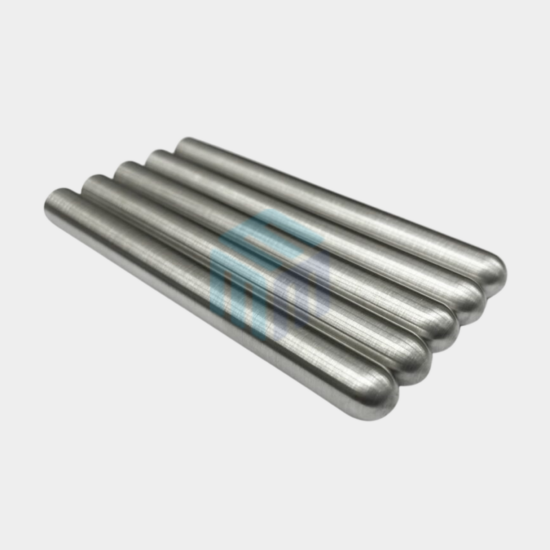
High-temperature analytical testing often requires materials that can withstand extreme heat without introducing unwanted elements into the sample. Even small amounts of contamination can affect analytical results, particularly when testing high-purity materials or measuring trace elements. This is one reason platinum is widely used in laboratory and analytical applications. Platinum offers excellent high-temperature performance and chemical stability, making it useful for components that come into direct or indirect contact with samples during heating, fusion, thermal analysis, and other laboratory processes. Among these components, platinum rods can serve as supports, electrodes, holders, stirrers, or custom laboratory components depending on the application.
When properly selected and maintained, they can help reduce the risk of contamination compared with less suitable materials.
Why Contamination Matters in High-Temperature Testing
At elevated temperatures, materials can react, oxidize, volatilize, or transfer trace elements into a sample. The problem becomes more significant when the analytical method is designed to detect very small concentrations.
For example, analytical laboratories may use high temperatures for sample preparation, fusion, thermal analysis, or materials testing. In these applications, the container, support, rod, tube, or other component surrounding the sample becomes part of the overall analytical environment.
A material that appears stable under normal conditions may behave differently when exposed to high temperatures or aggressive chemicals.
Platinum is valuable because of its combination of high melting point, chemical resistance, and relatively low reactivity in many laboratory environments. Platinum components are therefore commonly found in high-temperature analytical equipment and sample-preparation systems.
How Platinum Rods Help Reduce Contamination
A properly specified platinum rod can help reduce contamination in several ways.
- High Temperature Stability
Platinum has a melting point of approximately 1770°C, allowing platinum components to operate at temperatures far beyond the capabilities of many conventional laboratory metals.
This makes platinum useful in applications where a rod must remain physically stable during high-temperature testing.
The actual working temperature, however, should always be determined based on the atmosphere, sample chemistry, duration, and specific platinum grade.
- Low Chemical Reactivity
Platinum is known for its resistance to many chemical environments. This is particularly useful when a test involves aggressive reagents, molten materials, or high-temperature sample preparation.
In XRF and ICP sample preparation, platinum-based laboratory ware is commonly used for fusion because it can withstand high temperatures while helping minimize unwanted contamination of the molten sample.
- Reduced Risk of Metallic Contamination
Using an inappropriate metal component can introduce elements such as iron, nickel, chromium, or other metals into an analytical sample.
For high-purity testing, this can become a serious concern. Selecting a high purity platinum rod can help reduce the contribution of metallic impurities from the component itself, provided the rod is compatible with the application and properly cleaned.
Material purity should therefore be verified rather than assuming that every commercially available platinum component has the same composition.
- Clean and Controlled Sample Handling
Platinum rods can be manufactured for controlled laboratory handling where a sample needs to be supported, positioned, stirred, suspended, or contacted with an electrode.
The benefit is not simply the platinum itself. Clean handling procedures are equally important.
Platinum laboratory equipment can become contaminated through dirty surfaces, inappropriate tools, or contact with other metals. Heraeus specifically recommends avoiding contact with ferrous materials and using appropriately protected handling tools for platinum laboratory equipment.
Platinum Rods vs. Other Materials
The right material depends on the analytical method, temperature, atmosphere, and sample chemistry. The following comparison provides a general starting point:
| Material | High-Temperature Capability | Chemical Resistance | Contamination Consideration |
| Platinum | Excellent | Excellent in many applications | Low when high-purity material is properly handled |
| Alumina | Excellent | Good to excellent | Generally low, depending on purity |
| Stainless steel | Good | Application dependent | May introduce metallic elements |
| Nickel | Good | Application dependent | Can be unsuitable for certain elemental analyses |
| Graphite | High in suitable atmospheres | Can oxidize in air | Carbon contamination may be a concern |
This is why material selection should be based on the actual testing conditions rather than temperature alone.
For example, platinum laboratory components are widely used in thermal analysis at elevated temperatures, but manufacturers also caution that platinum can react with certain metals and sample components.
When Should You Consider a High Purity Platinum Rod?
A High purity platinum rod may be worth considering when the testing environment requires strict control over metallic contamination.
Typical applications may include:
- High-temperature laboratory testing
- Materials research
- Thermal analysis
- Sample preparation
- Glass and ceramic research
- Chemical analysis
- XRF and ICP sample preparation
- Research involving precious metals
- Specialty furnace assemblies
- High-temperature electrodes and supports
The required purity, diameter, length, tolerance, surface finish, and shape will depend on the application.
For some applications, customers may also require Platinum Pipes or a platinum tube instead of a solid rod. Hollow platinum components can be useful when the design requires controlled gas flow, a protective enclosure, or a specific laboratory assembly.
What to Check When Buying Platinum Rods
When looking for a platinum rod supplier, do not compare products based only on the quoted price.
Consider the following specifications:
Purity:
Ask for the platinum grade and available material documentation.
Dimensions:
Confirm diameter, length, straightness, and dimensional tolerances.
Surface finish:
Depending on the application, a smooth or specially finished surface may be important.
Application temperature:
Confirm that the material is appropriate for the intended temperature and atmosphere.
Chemical compatibility:
Some sample compositions can attack platinum, particularly under specific high-temperature conditions.
Quantity:
Laboratory requirements can range from a single custom component to repeated production orders.
Understanding Platinum Rod Price
The platinum rod price can vary substantially depending on the current platinum market, purity, dimensions, weight, manufacturing requirements, surface finish, and order quantity.
Because platinum is a precious metal, weight has a significant impact on cost. A larger-diameter rod can contain substantially more platinum than a smaller rod of the same length.
For this reason, buyers should provide complete specifications when requesting a quotation.
If you are searching for a platinum rod for sale, compare equivalent specifications rather than selecting the lowest initial price. A quotation for a high-purity custom rod should not be directly compared with a standard-grade component with different dimensions or tolerances.
Cleaning and Handling Platinum Rods
Even a high-purity platinum component can contribute to contamination if it is not properly cleaned.
Avoid placing platinum components on dirty work surfaces or allowing them to contact unsuitable metals. Cleaning procedures should be selected according to the sample chemistry and the manufacturer’s recommendations.
For demanding analytical applications, a clean component, controlled handling process, and appropriate blank or conditioning procedure can be just as important as the material itself.
Read also: How Do Platinum Rods Improve Glass Quality and Reduce Contamination During Melting?
Conclusion
High-temperature analytical testing demands careful control of every material that comes into contact with the sample. A suitable platinum component can help reduce unwanted metallic contamination while providing excellent high-temperature stability and chemical resistance.
Platinum rods are particularly useful when a laboratory needs a clean, stable component for supporting, handling, heating, or contacting materials under demanding conditions. However, choosing the right purity and dimensions is only part of the process. Proper cleaning, handling, sample compatibility, and operating conditions are equally important.
Whether you need a High purity platinum rod, Platinum Pipes, a platinum tube, or a custom platinum component, working with an experienced platinum rod supplier can help ensure that the material matches your analytical requirements.
M-Kube Enterprise can assist customers looking for platinum components for laboratory, analytical, high-temperature, and specialty applications. If you are looking for a platinum rod for sale or need help determining specifications and pricing, contact M-Kube Enterprise to discuss your requirements.
📞 Call us: +1-732-808-1999 📧 Email: info@mkubeenterprise.com today for Platinum Rods specifications, custom requirements, availability, and pricing.