
Metals are highly susceptible to oxidation and decarburization when exposed to high temperatures in air. These effects can compromise mechanical properties, surface finish, and overall material performance. That’s where controlled atmosphere furnaces come into play. By precisely controlling the furnace environment, these furnaces protect metals during heat treatment, sintering, and annealing processes, ensuring superior quality and consistent results.
What Is a Controlled Atmosphere Furnace and How Does It Work?
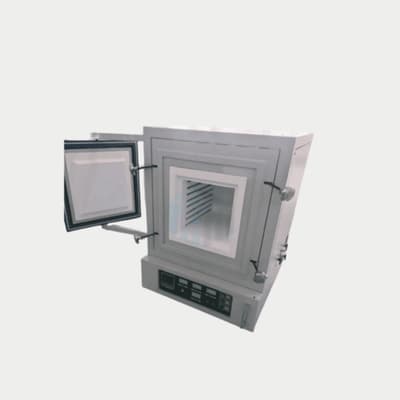
A controlled atmosphere furnace is a heat treatment furnace where the internal environment is regulated to prevent unwanted chemical reactions. Instead of exposing metals to air, gases such as nitrogen, hydrogen, or argon are used to create inert or reducing atmospheres, protecting the metal surface from oxidation and decarburization.
Common types include:
- Controlled atmosphere muffle furnace
- Vacuum atmosphere furnace
- Atmosphere box furnace
- Inert, nitrogen, hydrogen, or argon atmosphere furnaces
In summary, a controlled atmosphere furnace is a specialized heating system designed to maintain precise environmental conditions during processing. By regulating gases, temperature, and pressure, it ensures consistent product quality, prevents contamination, and supports advanced material treatments across various industries.
Why Oxidation & Decarburization Happen in Conventional Furnaces?
Oxidation and decarburization happen in conventional furnaces because materials are heated at high temperatures in atmospheres that are not tightly controlled, allowing oxygen, moisture, and other reactive gases to interact with the metal surface. As temperature and exposure time increase, oxygen reacts with the metal to form oxide scale, while carbon in steel reacts with oxygen or water vapor and diffuses out of the surface, leading to decarburization. Air leakage, inconsistent gas composition, and long soak times common in conventional furnace designs further intensify these reactions, resulting in surface degradation, loss of mechanical properties, dimensional changes, and increased rework or scrap.
How Oxidation Affects Metals During Heat Treatment
At elevated temperatures, exposed metal surfaces react readily with oxygen in the furnace environment. This reaction produces oxides (e.g., iron oxides in steel), commonly seen as scale. That scaling not only mars the surface appearance but can also flake off, leading to dimensional changes, reduced fatigue strength, or contamination of downstream processes.
A controlled atmosphere furnace combats this by using inert or reducing gas atmospheres:
- Inert gases like nitrogen or argon displace oxygen, effectively “starving” the environment of the oxidizer.
- Reducing atmospheres often include hydrogen or endothermic gas mixtures (e.g., hydrogen + CO + N₂). These not only displace oxygen but can chemically reduce any nascent oxides back to the base metal, “cleaning” the surface in situ.
- Vacuum furnaces take this a step further by evacuating the chamber, lowering pressure to minimize or eliminate reactive gas species altogether.
By controlling or eliminating the oxygen (and other oxidizing species), oxidation reactions are prevented — ensuring a clean, high-integrity metal surface post-heat-treatment.
Types of Controlled Atmospheres Used in Heat Treatment
The selection of furnace atmosphere gases plays a critical role in preventing oxidation during heat treatment. By controlling the gases present inside the furnace chamber, manufacturers can minimize oxygen exposure, reduce scale formation, and preserve the surface quality and mechanical properties of metals.
Different gases provide different levels of protection depending on the metal type, processing temperature, and desired heat treatment results.
Nitrogen (N₂) Atmosphere Furnaces
Nitrogen is one of the most widely used protective gases in controlled atmosphere furnaces because of its inert nature and cost-effectiveness. It displaces oxygen inside the furnace chamber and creates a stable environment that reduces oxidation during processes such as annealing, brazing, tempering, and sintering.
Benefits of nitrogen atmosphere:
- Reduces oxygen contact with metal surfaces
- Minimizes oxide scale formation
- Maintains surface finish and dimensional accuracy
- Suitable for stainless steel and non-ferrous metal processing
- Economical for large-scale heat treatment operations
Nitrogen is often combined with hydrogen or other gases to further improve atmosphere control and enhance oxidation resistance.
Hydrogen (H₂) Atmosphere Furnaces
Hydrogen acts as a reducing gas and is highly effective in removing residual oxygen and metal oxides during heat treatment. It reacts with oxygen and moisture present in the furnace atmosphere, lowering oxidation potential and creating a cleaner processing environment.
Hydrogen atmospheres are commonly used in bright annealing, stainless steel treatment, and precision heat treatment applications where surface quality is critical.
Advantages of hydrogen atmosphere:
- Prevents surface oxidation and discoloration
- Produces bright, oxide-free finishes
- Reduces existing metal oxides
- Improves cleanliness and metallurgical quality
Because hydrogen is flammable, strict safety controls and atmosphere monitoring systems are required during operation.
Argon (Ar) Atmosphere Furnaces
Argon is an inert noble gas used when extremely low reactivity is required. Unlike hydrogen, argon does not chemically react with the material being processed, making it ideal for sensitive metals and high-value applications.
Argon atmospheres are frequently used for titanium, nickel alloys, aerospace components, and reactive metals that are highly susceptible to oxidation at elevated temperatures.
Key benefits of argon atmosphere:
- Provides excellent oxidation protection
- Prevents contamination during high-temperature processing
- Maintains chemical stability of reactive metals
- Suitable for vacuum-assisted and precision furnaces
Although argon offers superior protection, its higher operating cost generally limits its use to specialized applications.
Vacuum Atmosphere Furnaces
Vacuum furnaces prevent oxidation by removing air, oxygen, and moisture from the heating chamber before the process begins. Without oxygen present, oxidation and scale formation are significantly reduced or completely eliminated.
Vacuum atmospheres are commonly used for tool steels, aerospace parts, medical components, and advanced metallurgy applications where surface integrity and carbon retention are essential.
Benefits of vacuum heat treatment:
- Eliminates oxidation and decarburization risks
- Produces clean and bright metal surfaces
- Improves process consistency
- Reduces post-treatment cleaning requirements
Vacuum atmosphere systems are particularly effective for precision heat treatment processes that demand tight metallurgical control.
How to Choose the Right Furnace Atmosphere Gas
The ideal furnace atmosphere depends on several factors, including metal composition, operating temperature, process type, and required surface finish. Selecting the correct atmosphere gas helps maintain carbon content, prevent oxidation, and improve overall product quality.
Proper atmosphere control combined with temperature regulation and dew point monitoring ensures effective oxidation prevention and consistent heat treatment performance.
Common Mistakes When Operating a Controlled Atmosphere Furnace
Oxidation during heat treatment is usually caused by poor process control rather than the furnace itself. Here are the key mistakes in brief:
-
Inadequate purging: Residual oxygen left in the furnace reacts with metal surfaces.
-
Incorrect gas composition: Wrong or imbalanced gases fail to protect the material.
-
Furnace leaks: Damaged seals or joints allow oxygen to enter.
-
Improper temperature control: Excess heat accelerates oxidation.
-
Contamination: Moisture, oil, or residues create oxidizing conditions.
-
Poor material loading: Overcrowding blocks proper gas flow.
-
Delayed gas introduction: Metal gets exposed to oxygen during heating.
-
Lack of maintenance: Faulty sensors or seals reduce atmosphere control.
Key takeaway: Proper gas control, sealing, and maintenance are essential to prevent oxidation and ensure high-quality results.
How Decarburization Occurs: Carbon Loss Mechanism in Steel
Decarburization is the process by which carbon atoms migrate away from the steel’s surface and react with oxygen or moisture, forming CO or CO₂, which depletes the carbon content in the surface layer. Because carbon is critical for hardness and strength in steel, decarburization leads to a softer, weakened surface — undermining wear resistance and fatigue life.
Controlled atmosphere furnaces prevent decarburization by:
- Removing reactive species — Gases like oxygen and water vapor are minimized, so there’s little or no chemical driver for carbon to leave the surface.
- Maintaining a stable carbon potential — By using gas mixtures (e.g., CO/CO₂, hydrogen, nitrogen) whose partial pressures are tightly controlled, the furnace atmosphere can be held in equilibrium with the steel surface. This prevents the surface from losing carbon.
- Using protective packaging or coatings (in some cases) — For example, wrapping parts or creating diffusion barriers can further reduce carbon loss.
As a result, the treated metal retains its carbon content, preserving hardness, fatigue resistance, and overall mechanical performance.
How Controlled Atmospheres Stop Oxidation: Inert, Reducing & Vacuum Methods
To achieve high-quality heat treatment results, it’s essential to protect metals from unwanted reactions that degrade their surface and structure. Controlled atmosphere furnaces are specifically engineered to address this challenge by creating a stable, non-reactive environment during processing.
- Inert Gas Atmosphere
- Argon or nitrogen is used to displace oxygen
- Prevents the formation of surface oxides during heating
- Maintains metal purity and appearance
- Reducing Atmosphere
- Hydrogen or forming gas (H₂ + N₂) reacts with residual oxygen
- Converts oxides back to the metal surface, effectively cleaning it
- Commonly used for high-carbon steels and specialized alloys
- Vacuum Environment
- Eliminates air entirely
- Prevents oxidation and other gas-metal reactions
- Ideal for critical semiconductor, and advanced alloy applications
Controlled atmosphere furnaces create a sealed environment with carefully regulated gases, preventing oxygen from reaching heated materials. This process effectively stops oxidation, ensuring superior surface quality and consistent performance.
How Controlled Atmosphere Furnaces Prevent Decarburization
Decarburization can significantly weaken metals by reducing their carbon content during heat treatment. Controlled atmosphere furnaces effectively counter this issue by maintaining precise gas compositions that minimize carbon loss and preserve the metal’s desired properties.
- Carbon loss occurs when metals react with oxygen or water vapor at high temperatures
- Controlled atmospheres remove oxygen and moisture from the furnace
- Maintaining a reducing or inert environment preserves the metal’s carbon content
- Ensures surface hardness and mechanical properties remain intact
Controlled atmosphere furnaces prevent decarburization by maintaining a gas composition that eliminates oxygen and moisture during heat treatment. This controlled environment preserves the carbon content of steel, ensuring optimal hardness and mechanical strength.
Key Benefits of Using Controlled Atmosphere Furnaces
Controlled atmosphere furnaces offer a range of advantages that go beyond simple heating—they ensure precision, consistency, and superior material quality. Their ability to regulate gas composition and temperature makes them ideal for critical industrial processes.
- Surface Protection: Maintains metallic shine and prevents scale formation
- Enhanced Mechanical Properties: Preserves hardness and tensile strength
- Consistent Results: Reduces batch-to-batch variations in industrial production
- Versatility: Suitable for various metals including steel, copper, aluminum, titanium, and specialty alloys
- Customizable Atmospheres: Nitrogen, argon, hydrogen, or forming gas depending on the metal and process
Using controlled atmosphere furnaces ensures precise temperature and gas regulation, preventing oxidation and decarburization. This results in improved material quality, consistent performance, and reduced post-processing requirements.
Factors That Affect Atmosphere Furnace Performance
The performance of a controlled atmosphere furnace depends on several process and equipment parameters. Optimizing these factors helps maintain a stable furnace atmosphere, improve heat treatment quality, and prevent oxidation and decarburization.
- Gas Purity – High-purity inert or reducing gases minimize unwanted reactions and ensure consistent heat treatment results.
- Gas Flow Rate – Maintaining the correct flow rate helps preserve a uniform protective atmosphere throughout the furnace chamber.
- Oxygen Levels – Even small amounts of oxygen can lead to oxidation, making continuous monitoring essential.
- Dew Point Control – A low dew point reduces moisture in the furnace atmosphere, helping prevent oxidation and surface defects.
- Temperature Uniformity – Consistent heating across the furnace chamber ensures even metallurgical properties and minimizes distortion.
- Furnace Sealing – Well-maintained seals and door gaskets prevent air leakage that can compromise the protective atmosphere.
- Load Arrangement – Proper spacing of components allows uniform gas circulation and heat distribution.
- Atmosphere Selection – Choosing the appropriate gas mixture, such as nitrogen, argon, or hydrogen, is critical for the specific metal and heat treatment process.
By carefully controlling these factors, manufacturers can improve process consistency, enhance product quality, and extend furnace service life.
Where Controlled Atmosphere Furnaces Are Used (Industry Applications)
Controlled atmosphere furnaces play a vital role in various industries that demand precision heat treatment and contamination-free results. Their versatility allows them to be used across multiple sectors for both research and large-scale manufacturing.
- Automotive: Heat treatment of high-strength steels and alloys
- Tool Manufacturing: Hardening and tempering of cutting tools
- Electronics & Semiconductors: Prevent oxidation during metal processing
- Metal Powder Sintering: Preserves chemical composition and prevents contamination
Controlled atmosphere furnaces are widely used across industries to protect materials during heat treatment. They ensure high-quality results in metals, ceramics, and specialty alloys by preventing oxidation and preserving material properties.
Controlled Atmosphere Furnace Maintenance Checklist
Regular maintenance is essential to ensure reliable furnace operation, maintain atmosphere integrity, and achieve consistent heat treatment results.
- Inspect Door Seals and Gaskets – Replace worn seals to prevent air leakage into the furnace chamber.
- Check Gas Supply Lines – Inspect pipes, valves, and fittings for leaks or damage.
- Verify Gas Flow Meters – Ensure flow meters are calibrated and delivering the correct gas flow rate.
- Monitor Oxygen and Dew Point Sensors – Calibrate sensors regularly for accurate atmosphere control.
- Inspect Heating Elements – Check for signs of wear, oxidation, or damage that may affect heating performance.
- Clean the Furnace Chamber – Remove scale, debris, and contaminants that could interfere with heat treatment.
- Test Temperature Controllers and Thermocouples – Verify accurate temperature measurement and uniform heating.
- Inspect Safety Systems – Check alarms, pressure relief devices, and emergency shut-off systems to ensure safe operation.
- Review Gas Consumption – Monitor gas usage to identify potential leaks or process inefficiencies.
- Maintain Service Records – Keep detailed maintenance logs to schedule preventive servicing and reduce unexpected downtime.
A proactive maintenance program helps improve furnace efficiency, extend equipment lifespan, and ensure consistent protection against oxidation and decarburization during heat treatment.
Safety Guidelines for Controlled Atmosphere Furnaces
Working with controlled atmosphere furnaces involves flammable and reactive gases, so safety is critical:
- Proper Ventilation & Purging: Ensure furnaces are well-ventilated and purge residual gases before startup or maintenance.
- Leak Detection: Regularly check hoses, valves, and connections for leaks, especially with hydrogen or CO gases.
- Protective Equipment: Use gloves, goggles, and flame-resistant clothing when handling gases or furnace components.
- Gas Handling Protocols: Follow manufacturer guidelines for cylinder storage, pressure limits, and flow control.
- Emergency Preparedness: Keep fire suppression systems and emergency shutdown procedures in place.
Takeaway: Strict adherence to safety protocols protects personnel, prevents fires, and ensures consistent furnace operation.
How to Choose the Right Atmosphere Furnace Setup for Your Metal Type
Picking the right controlled atmosphere furnace depends on your material, process, and quality goals. Here are key considerations:
- Type of Atmosphere Needed
- Neutral (inert) atmosphere — Use gases like nitrogen or argon when the goal is simply to prevent oxidation without affecting surface chemistry.
- Reducing atmosphere — Choose hydrogen, forming gas, or endothermic gas mixtures when you want to remove existing oxides or prevent scale while maintaining a clean metal surface.
- Carburizing or carbon-rich atmosphere — For processes that intentionally add carbon (e.g., carburizing), use CO/CO₂-containing gas mixes to control carbon potential.
- Vacuum — For the most critical, contamination-sensitive applications (e.g., tool steels), a vacuum furnace may be ideal because it drastically reduces reactive species.
- Control and Monitoring
- Use gas analysis and control systems to maintain precise gas composition, dew point (water vapor), and oxygen partial pressure. Proper instrumentation ensures you don’t drift into oxidizing or decarburizing regimes.
- Consider safety aspects: if using hydrogen or CO-rich atmospheres, ensure proper ventilation, purging, and safety interlocks.
- Furnace Design
- Choose a furnace built for atmosphere control: sealed chambers, gas-tight doors, and proper gas-flow design are critical.
- Determine whether you need a muffle furnace, box furnace, or vacuum furnace, depending on the part geometry, throughput, and cycle needs.
- Match the refractory and insulation lining to your atmosphere and temperature needs — for example, some insulation materials may react with hydrogen or other gases if not selected properly.
- Cost vs Benefit
- Higher-end gas control and vacuum systems have more upfront cost but reduce post-heat-treatment cleaning, improve yield, and maintain better surface properties.
- For lower-cost operations or less-critical applications, a nitrogen-purged furnace may offer most of the benefit at a lower cost.
Conclusion
In conclusion, a controlled atmosphere furnace plays a critical role in preserving the integrity and performance of metals during heat treatment. By precisely regulating the furnace environment—whether through inert, reducing, or vacuum atmospheres—it effectively prevents oxidation and decarburization that can compromise surface quality and mechanical properties. This level of control ensures consistent results, improved metallurgical characteristics, and reduced material waste. As industries continue to demand higher quality, tighter tolerances, and greater efficiency, controlled atmosphere furnaces remain an essential solution for achieving reliable, repeatable, and high-performance metal processing outcomes.
👉 Looking for a reliable controlled atmosphere furnace supplier in the US? Contact M-Kube Enterprise LLC today to explore inert, nitrogen, hydrogen, or vacuum atmosphere furnaces for your industrial or laboratory needs.