
In high-temperature laboratories, metallurgical facilities, chemical processing plants, and advanced materials research centers, crucibles play a critical role in ensuring safe and reliable material handling. Whether melting metals, processing reactive chemicals, or conducting analytical testing, selecting the right crucible material directly impacts process efficiency, contamination control, and equipment lifespan. Traditional crucibles made from graphite, porcelain, quartz, or ceramic materials have been widely used for decades. However, as industrial processes become more demanding, many organizations are turning to titanium crucible solutions for superior corrosion resistance, durability, and high-purity performance.
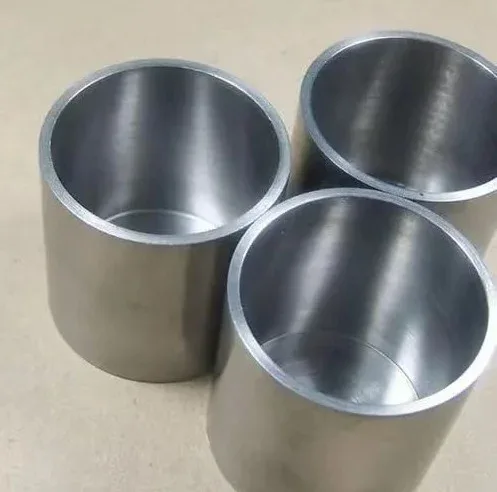
A titanium metal crucible offers unique advantages in environments where chemical attack, oxidation, contamination, and thermal stress can compromise conventional crucible materials. For laboratories and manufacturers working with aggressive chemicals and high-purity materials, titanium has become an increasingly preferred choice.
In this guide, we’ll explore why titanium crucibles outperform traditional crucibles in corrosive environments and how they contribute to improved process reliability.
Why Do Titanium Crucibles Resist Chemical Attack?
Formation of a Protective Oxide Layer
One of titanium’s most valuable characteristics is its ability to form a stable, self-healing oxide layer.
When exposed to oxygen, titanium naturally develops a thin layer of titanium dioxide (TiO₂) on its surface.
This protective film:
- Prevents further corrosion
- Reduces chemical attack
- Improves durability
- Enhances service life
Unlike many traditional metals, titanium continuously regenerates this protective barrier if minor surface
Excellent Resistance to Acids and Chemicals
Titanium performs exceptionally well in many corrosive environments.
It offers resistance to:
- Nitric acid
- Organic acids
- Chloride-containing solutions
- Oxidizing chemicals
- Seawater environments
For chemical laboratories and processing facilities, this resistance helps minimize equipment degradation and contamination risks.
This makes high purity titanium crucible products particularly valuable for sensitive analytical and research applications.
Reduced Material Contamination
Many laboratory and metallurgical applications require extremely high purity.
Traditional crucibles may release:
- Trace impurities
- Carbon contamination
- Ceramic particles
- Metallic residues
A properly manufactured titanium crucible helps maintain sample purity by reducing unwanted material interactions.
This is particularly important in:
- Semiconductor research
- Advanced materials development
- Precious metal analysis
- Chemical testing laboratories
Titanium vs Traditional Crucible Materials: Performance Comparison
Titanium vs Graphite Crucibles
Graphite crucibles are commonly used because of their high-temperature capability.
However, graphite can:
- Oxidize at elevated temperatures
- Introduce carbon contamination
- Require protective atmospheres
A titanium metal crucible offers improved corrosion resistance and lower contamination risk in many applications.
Titanium vs Ceramic Crucibles
Ceramic crucibles provide good heat resistance but can be brittle.
Common challenges include:
- Cracking under thermal shock
- Mechanical fragility
- Limited impact resistance
Titanium offers:
- Greater toughness
- Improved mechanical strength
- Better resistance to physical damage
This helps extend service life in demanding industrial environments.
Titanium vs Quartz Crucibles
Quartz crucibles are widely used for high-purity processing.
However, quartz may experience:
- Thermal shock cracking
- Mechanical damage
- Limited resistance to certain chemicals
Titanium can provide superior durability and longer operational life in many corrosive applications.
Applications of Titanium Crucibles
Metallurgical Processing
A titanium crucible for metallurgy is often used for:
- Alloy development
- Sample preparation
- Precious metal processing
- Specialized melting operations
Its corrosion resistance helps maintain material purity throughout processing.
Laboratory Research
A titanium crucible for laboratory use supports:
- Chemical analysis
- Materials testing
- Research and development
- High-purity sample preparation
Researchers frequently choose titanium when contamination control is critical.
Chemical Processing
Chemical plants utilize titanium crucibles in applications involving:
- Corrosive chemicals
- Reactive compounds
- High-purity process streams
The protective oxide layer helps extend service life in challenging environments.
Advanced Materials Manufacturing
Titanium crucibles are widely used in:
- Aerospace materials research
- Semiconductor development
- Battery materials processing
- Specialty chemical production
Their durability and purity make them well-suited for advanced manufacturing environments.
Read also: Why Leading Foundries Are Switching to Titanium Crucibles for High-Purity Melting
Common Causes of Titanium Crucible Failure
Titanium crucibles offer good corrosion resistance and mechanical durability, but incorrect operating conditions can lead to premature degradation. Common causes of failure include:
- Excessive Temperature: Operating beyond the recommended temperature range can cause deformation, oxidation, or loss of mechanical integrity.
- Chemical Incompatibility: Certain chemicals or molten materials can react with titanium under specific temperature and atmospheric conditions.
- Unsuitable Furnace Atmosphere: High-temperature exposure to oxygen or other reactive gases can accelerate surface degradation.
- Thermal Cycling: Repeated heating and cooling can introduce thermal stresses and contribute to deformation or cracking.
- Mechanical Damage: Dropping, bending, scratching, or excessive handling can damage the crucible.
- Overloading: Excessive material weight can place additional stress on the crucible walls and base.
- Incorrect Wall Thickness: A crucible that is too thin for the operating conditions may deform more easily.
- Improper Installation: Uneven support or contact with other furnace components can create localised stress.
- Contamination: Residues from previous processes can react with titanium or contaminate subsequent batches.
- Incorrect Grade Selection: Choosing a titanium grade that is unsuitable for the temperature or chemical environment can shorten service life.
How to Extend the Life of a Titanium Crucible
Proper material selection, controlled operating conditions, and careful handling can help maximise titanium crucible service life.
- Select the Appropriate Titanium Grade: Match the grade to the chemical environment, temperature, and mechanical requirements.
- Control Operating Temperature: Stay within the recommended operating range and avoid unnecessary overheating.
- Maintain a Suitable Atmosphere: Use an appropriate controlled atmosphere when operating at elevated temperatures.
- Avoid Incompatible Materials: Confirm chemical compatibility between the titanium crucible and the material being processed.
- Use Controlled Heating and Cooling: Minimise sudden temperature changes to reduce thermal stress.
- Avoid Overloading: Keep the charge within the crucible’s intended capacity.
- Handle Carefully: Prevent impacts, scratches, bending, and other mechanical damage during installation and removal.
- Inspect Regularly: Check for deformation, cracks, surface deterioration, contamination, and wall thinning.
- Clean Correctly: Use cleaning methods compatible with titanium and avoid aggressive procedures that could damage the surface.
- Store Properly: Protect unused crucibles from contamination, moisture, and mechanical impact.
Following these practices can help maintain crucible integrity, reduce contamination risks, and minimise unexpected interruptions during high-temperature processing.
When Should You Replace a Titanium Crucible?
A titanium crucible should be replaced when physical damage, chemical degradation, or dimensional changes could affect process safety or product quality. Key replacement indicators include:
- Cracks or Structural Damage: Even small cracks can become larger during subsequent heating cycles.
- Severe Deformation: Warping or bending may indicate that the crucible can no longer safely withstand operating conditions.
- Excessive Wall Thinning: Significant material loss can reduce mechanical strength and increase the risk of failure.
- Severe Chemical Attack: Persistent corrosion or surface degradation can compromise crucible integrity.
- Heavy Contamination: Replace the crucible when contamination cannot be removed without affecting the material or process.
- Loss of Dimensional Accuracy: Deformation that affects furnace fit or material capacity is a reason for replacement.
- Repeated Process Contamination: Unexpected contamination in successive batches may indicate crucible deterioration.
- Reduced Mechanical Integrity: If the crucible becomes visibly weakened or damaged, continued use may increase the risk of sudden failure.
Regular inspection and timely replacement can help prevent process contamination, unexpected crucible failure, and costly furnace downtime.
Factors That Affect Titanium Crucible Price
Several factors influence titanium crucible price, including:
- Titanium grade
- Crucible size
- Wall thickness
- Purity level
- Custom fabrication requirements
- Quantity ordered
While titanium crucibles may have a higher initial cost than some traditional options, their longer service life often results in lower overall operating costs.
How to Choose the Right Titanium Crucible Supplier
When searching for a titanium crucible supplier, prioritize:
- Material traceability
- Quality assurance
- Custom manufacturing capabilities
- Technical expertise
- Consistent product quality
Whether you’re looking to buy titanium crucible online, source a titanium crucible for sale, or require custom-designed solutions, working with an experienced supplier can help ensure optimal results.
At M-Kube Enterprise LLC, we supply premium titanium products designed for laboratory, metallurgical, and industrial processing applications requiring durability, purity, and corrosion resistance.
Conclusion: Why Titanium Crucibles Are a Superior Choice for Corrosive Environments
As industrial and laboratory processes become increasingly demanding, traditional crucible materials may struggle to provide the durability, purity, and chemical resistance required for modern applications.
Whether used in metallurgy, laboratory analysis, chemical processing, or advanced materials research, titanium crucibles provide a dependable solution for applications where chemical attack can compromise process efficiency and product quality.
By selecting a high-quality titanium crucible from a trusted supplier, organizations can improve operational reliability while reducing long-term maintenance and replacement costs.
Looking for High-Quality Titanium Crucibles?
If you’re searching for a reliable titanium crucible supplier, high purity titanium crucible, titanium crucible for metallurgy, titanium crucible for laboratory use, or customized titanium processing solutions, M-Kube Enterprise can help.
📞 Call us: +1-732-808-1999
📧 Email: info@mkubeenterprise.com today to discuss your laboratory, metallurgy, chemical processing, and high-performance material handling requirements.