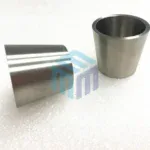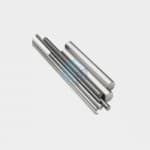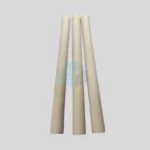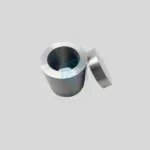

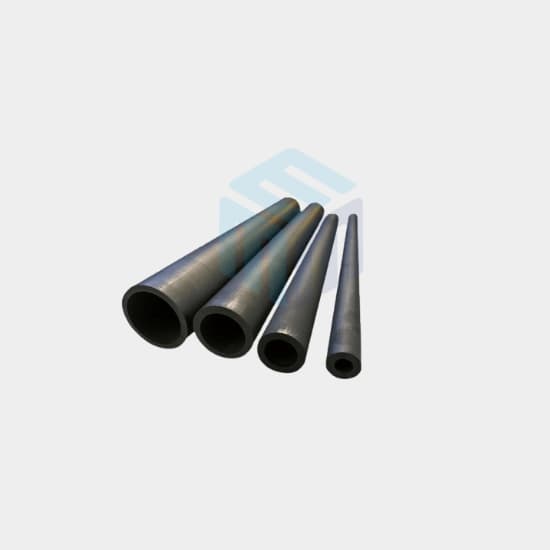
Graphite rods are widely used in high-temperature industrial, chemical, and laboratory applications due to their excellent thermal conductivity, chemical stability, and high-temperature resistance. However, one common challenge is their accelerated failure in oxidizing atmospheres. Understanding why this happens and how to mitigate it is critical for manufacturers, labs, and industrial operators who rely on graphite rods for long-term performance.
Understanding Graphite Rods
Graphite rods are cylindrical components made from high-purity or high-density graphite. They are used in applications such as:
- Electrodes for electric arc furnaces
- Heating elements in industrial furnaces
- Chemical reactors and crucibles
- Laboratory experiments requiring high-temperature conductivity
Types of graphite rods include:
- Graphite tubes and hollow graphite tubes for fluid or gas handling
- Graphite bars and graphite round bars for mechanical or structural applications
- High-density graphite rods for high-strength, high-temperature use
Read also: Why is Graphite Rods Used as Electrodes?
How Oxidizing Atmospheres Affect Graphite
An oxidizing atmosphere contains oxygen or other oxidizing gases that can react chemically with graphite. This leads to:
- Surface oxidation: Formation of CO or CO₂, which gradually consumes the rod material
- Reduced mechanical strength: Oxidized areas become brittle and prone to cracking
- Accelerated wear and reduced lifespan: Continuous exposure can significantly shorten rod service life
Common oxidizing environments include air at high temperatures, oxygen-enriched furnaces, and processes involving oxidizing chemicals.
Why Graphite Rods Fail Faster in Oxidizing Conditions
- High-Temperature Oxidation
Graphite reacts with oxygen above 400–500°C, forming carbon oxides. At higher temperatures, the reaction rate increases exponentially, leading to rapid material loss.
- Surface Degradation
Oxidation typically starts at the rod’s surface, creating pits and rough areas. These defects act as stress concentrators, making the rod prone to mechanical failure.
- Structural Weakness in Hollow or Low-Density Rods
- Hollow graphite tubes and low-density rods have more surface area exposed to oxygen
- Porosity allows oxygen to penetrate, accelerating internal oxidation
- Chemical Attacks
Certain oxidizing gases or fluxes in chemical processes can react aggressively with graphite, further reducing rod integrity.
How to Prevent Graphite Rod Failure in Oxidizing Atmospheres
✅ Use High-Purity or High-Density Graphite Rods
- Reduces porosity and slows oxygen penetration
- Improves thermal and mechanical stability
✅ Protective Coatings
- Apply graphite-compatible coatings or ceramic barriers to reduce direct oxygen exposure
- Common in high-temperature furnace applications
✅ Control Atmosphere
- Operate in inert atmospheres (argon, nitrogen) or vacuum when possible
- Avoid direct exposure to air at elevated temperatures
✅ Proper Handling and Maintenance
- Avoid physical damage that exposes internal graphite to oxidation
- Store rods in dry, oxygen-free environments before use
Applications Where Oxidation Control Matters in Graphite Tubes
- High-temperature furnaces
- Electrochemical cells
- Chemical reactors
- Industrial heating systems
By controlling exposure to oxidizing atmospheres, operators can extend the lifespan of graphite rods and maintain reliable performance.
Conclusion
Graphite rods are highly durable in controlled environments but are susceptible to accelerated failure in oxidizing atmospheres due to chemical reactions with oxygen. Selecting high-density, high-purity graphite rods, applying protective measures, and controlling the operating environment are essential strategies to maximize rod life.
👉 Looking for durable graphite rods for high-temperature applications? Contact us today to buy high-purity, high-density graphite rods from trusted US suppliers.