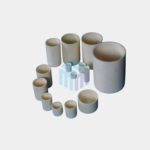


Quartz tubes are widely used in high-temperature industrial and laboratory environments because of their exceptional thermal stability, chemical purity, and resistance to contamination. From semiconductor manufacturing and chemical vapor deposition (CVD) to heat treatment and materials research, quartz tube furnace systems play a critical role in ensuring precise thermal processing. However, despite their excellent performance characteristics, quartz tubes can crack or fail prematurely when exposed to improper operating conditions. Cracked quartz tubes can lead to production downtime, safety risks, process contamination, and costly equipment replacement.
Understanding why quartz tubes crack—and how to prevent these failures—can significantly extend equipment life and improve process reliability.
In this guide, we’ll explore the most common causes of quartz tube failure and provide practical recommendations for selecting and maintaining high temperature quartz tube systems.
Why Quartz Is Used in High-Temperature Applications
Quartz offers several advantages over conventional glass and ceramic materials.
Exceptional Temperature Resistance
Fused quartz can withstand temperatures exceeding 1000°C and, in many applications, temperatures approaching 1200°C or higher.
Excellent Thermal Stability
Quartz maintains dimensional stability under elevated temperatures, making it ideal for precision thermal processing.
High Chemical Purity
Quartz minimizes contamination risks in:
- Semiconductor manufacturing
- Thin-film deposition
- Materials research
- Chemical processing
Low Thermal Expansion
Compared to ordinary glass, quartz exhibits very low thermal expansion, helping reduce stress during heating cycles.
Despite these advantages, quartz is not immune to damage when subjected to improper operating conditions.
Common Causes of Quartz Tube Cracking
Thermal Shock
Thermal shock is one of the leading causes of quartz tube failure.
Although quartz has excellent thermal shock resistance compared to many materials, rapid temperature changes can still create internal stresses that exceed the material’s strength.
Examples include:
- Inserting a cold quartz tube into a hot furnace
- Rapid furnace heating
- Sudden cooling after processing
- Direct exposure to cold air during operation
These conditions can produce stress concentrations that result in cracking.
Uneven Temperature Distribution
Quartz tubes are designed to operate under controlled heating conditions.
When certain sections of the tube become significantly hotter than others, thermal gradients develop.
Potential causes include:
- Improper furnace calibration
- Hot spots within heating zones
- Misaligned heating elements
- Uneven gas flow
Over time, repeated thermal cycling under these conditions can weaken the tube structure.
Mechanical Stress During Installation
Many quartz tube failures originate before the furnace is even operated.
Improper installation can introduce stress points that eventually lead to cracking.
Common mistakes include:
- Overtightening support brackets
- Improper tube alignment
- Excessive clamping force
- Unsupported tube sections
Even minor mechanical stress can become problematic when combined with high operating temperatures.
Contamination on Quartz Surfaces
Quartz surfaces can be affected by contaminants such as:
- Metal particles
- Process residues
- Fingerprints
- Dust accumulation
These contaminants may create localized thermal variations during heating.
The result can include:
- Surface weakening
- Reduced transparency
- Premature cracking
Maintaining clean handling procedures is essential for maximizing tube life.
Excessive Operating Temperatures
Every quartz tube has a recommended temperature range.
Operating beyond these limits can lead to:
- Structural weakening
- Devitrification
- Reduced thermal shock resistance
- Material degradation
When selecting a high temperature quartz tube, it is important to verify that the tube specification matches the intended operating conditions.
Protecting Quartz Thermocouple Tubes
A quartz thermocouple tube serves as a protective barrier between the thermocouple sensor and the process environment.
These tubes are often exposed to:
- High temperatures
- Corrosive gases
- Thermal cycling
- Mechanical vibration
To maximize service life:
- Ensure proper thermocouple fitment
- Prevent excessive vibration
- Avoid direct impact
- Inspect regularly for signs of wear
Facilities using quartz thermocouple tube in USA applications should incorporate routine inspections into preventive maintenance programs.
Best Practices to Prevent Quartz Tube Cracking at High Temperature Applications
Use Controlled Heating and Cooling Rates
Gradual heating and cooling help minimize thermal stress.
Avoid:
- Rapid ramp rates
- Sudden shutdowns
- Abrupt cooling with external airflow
Controlled temperature transitions significantly extend tube lifespan.
Ensure Proper Furnace Alignment
In a quartz tube furnace, proper alignment helps prevent mechanical loading.
Verify:
- Tube centering
- Support positioning
- Uniform heating zone exposure
Routine furnace inspections can identify alignment issues before damage occurs.
Handle Quartz Carefully
Quartz is durable at high temperatures but remains vulnerable to mechanical impact.
Best practices include:
- Wearing clean gloves
- Avoiding direct contact with hard surfaces
- Using proper support fixtures
- Following manufacturer handling procedures
Maintain Clean Operating Conditions
Cleanliness is especially important in:
- Semiconductor applications
- Laboratory processing
- High-purity materials research
Regular cleaning reduces contamination-related stress and extends service life.
Select the Right Quartz Tube Size
Choosing the proper quartz tube sizes helps ensure:
- Uniform heating
- Proper gas flow
- Mechanical stability
- Process efficiency
Oversized or improperly supported tubes may experience unnecessary stress during operation.
Choosing a Reliable Quartz Tube Supplier
When evaluating quartz tube suppliers, consider factors beyond quartz tube price.
Look for suppliers that offer:
- High-purity fused quartz
- Precise dimensional tolerances
- Custom fabrication capabilities
- Technical support
- Quality certifications
- Application-specific recommendations
Whether purchasing Quartz Glass Tubing in USA or customized high-temperature process tubes, quality and manufacturing consistency directly affect long-term performance.
Read also: GE214 vs JGS1 vs JGS2 vs JGS3 Quartz Tubes: Properties, Applications and Selection Guide
Conclusion: Maximizing the Life of High-Temperature Quartz Tubes
Quartz tubes are among the most reliable materials available for high-temperature processing applications. Their excellent thermal stability, chemical purity, and resistance to contamination make them indispensable in furnace systems, semiconductor manufacturing, and advanced materials research.
By understanding the causes of cracking and implementing proper handling, installation, and maintenance procedures, organizations can significantly improve equipment reliability and reduce replacement costs.
Whether you’re operating a quartz tube furnace, utilizing a quartz thermocouple tube, or designing a high-temperature processing system, selecting the right quartz product and following best practices will ensure long-term performance and operational success.
Looking for High-Quality Quartz Tubes?
If you’re searching for premium quartz thermocouple tube in USA, quartz tube furnace in USA, Quartz Glass Tubing in USA, high pressure quartz tube, or customized high temperature quartz tube solutions, M-Kube Enterprise can help.
📞 Call us: +1-732-808-1999
📧 Email: info@mkubeenterprise.com today to discuss your laboratory, semiconductor, thermal processing, and high-temperature quartz requirements.