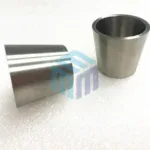

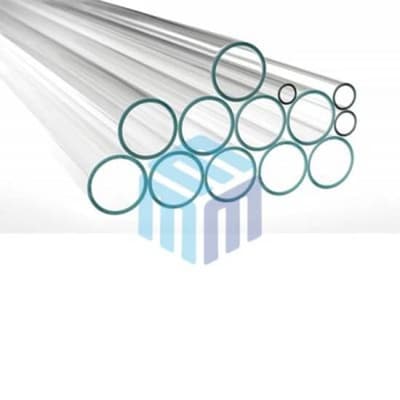
Quartz tubes are essential components in modern industrial and scientific applications, particularly in optical fiber manufacturing, high-temperature furnaces, and thermocouple protection. Understanding the differences between quartz grades like GE214, JGS1, JGS2, and JGS3 is crucial for ensuring performance, purity, and reliability in high-precision environments.
Why Choosing the Right Quartz Tube Material Matters
Quartz tubes are valued for their exceptional thermal stability, chemical inertness, and optical clarity, making them indispensable in industries like telecommunications, semiconductors, and laboratory research.
Before diving into specific material grades, it’s important to understand how quartz tubing impacts production processes across various industries.
Quartz Tubes for MCVD, OVD, and VAD Optical Fiber Manufacturing
In optical fiber production, maintaining ultra-high purity is non-negotiable. Quartz tubes serve as reaction chambers where silica-based preforms are fabricated using vapor deposition methods such as MCVD, OVD, or VAD. These processes demand materials that can withstand temperatures above 1,800°C while maintaining dimensional stability and minimizing contamination — a standard easily met by GE214 and JGS1 quartz.
Quartz Furnace Tubes and Thermocouple Protection Applications
For high-temperature furnaces, quartz tube furnaces in the USA are often equipped with high-purity fused silica tubes that offer excellent resistance to thermal shock and chemical degradation. Similarly, quartz thermocouple tubes protect sensitive sensors from reactive gases and molten metals, ensuring accurate and reliable temperature measurements in industrial settings.
Read also: Quartz Tubes: Properties, Uses, and Maintenance Tips
How OH Content Affects Quartz Tube Optical Performance
When comparing quartz tube materials such as GE214, JGS1, JGS2, and JGS3, one of the most critical — yet often overlooked — factors is OH (hydroxyl) content. OH levels directly influence optical transmission, thermal behavior, and suitability for specific wavelength applications.
What Is OH Content in Quartz?
OH content refers to the concentration of hydroxyl (–OH) groups present within the silica glass structure. These hydroxyl groups are typically introduced during manufacturing, especially in flame hydrolysis processes used to produce high-purity synthetic fused silica.
OH concentration is usually measured in parts per million (ppm), and it significantly impacts how quartz interacts with light across the UV, visible, and infrared (IR) spectrum.
High-OH vs Low-OH Quartz Tube Comparison
| Property | High OH Quartz | Low OH Quartz |
|---|---|---|
| UV Transparency | Excellent | Very Good |
| IR Transparency | Moderate | Excellent |
| Thermal Stability | Good | Excellent |
| Typical Use | UV optics, semiconductor | IR heating, fiber drawing |
Why Choosing the Right Quartz Grade Matters
Selecting the correct quartz tube grade is critical for achieving optimal performance, longevity, and safety in high-temperature and optical applications. Quartz grades differ significantly in purity, hydroxyl (OH) content, thermal stability, optical transmission, and mechanical strength, which directly affects how they behave under extreme conditions.
-
Purity and Contaminants: Higher-purity quartz, such as GE214, minimizes impurities that can cause devitrification, reduced optical clarity, or chemical reactions during high-temperature use.
-
OH Content: The hydroxyl concentration affects infrared and UV transmission. For optical fiber production or IR applications, low-OH quartz (like JGS3) ensures maximum transparency and minimal signal loss.
-
Thermal Performance: Different grades have varying thermal expansion coefficients and shock resistance. Using a grade with insufficient thermal stability can lead to cracking, deformation, or premature failure.
-
Application-Specific Needs:
-
Optical Fiber Production: Requires high-purity, low-OH quartz with excellent UV-IR transmission.
-
High-Temperature Furnaces: Requires quartz that can withstand repeated heating cycles and thermal shocks without cracking.
-
-
Cost vs. Performance: While high-purity grades may be more expensive, the long-term reliability and reduced risk of failure often outweigh the initial investment.
Purity and OH content significantly influence optical transmission and contamination resistance.
| Grade | Purity Level | OH Content | Typical Use |
|---|---|---|---|
| GE214 | Very High | Low | Optical fiber, furnaces |
| JGS1 | Ultra High | Higher | UV optics |
| JGS2 | High | Moderate | Industrial applications |
| JGS3 | High | Ultra Low | IR systems |
In summary: Choosing the wrong quartz grade can result in material failure, reduced efficiency, contamination, or loss of expensive samples, making careful grade selection essential for both research and industrial applications.
Why OH Content Matters in Material Selection
Selecting the correct OH level depends on your application’s operating wavelength and temperature:
-
For UV-intensive processes → Higher OH content may be beneficial.
-
For infrared heating systems → Low OH quartz reduces absorption and improves efficiency.
-
For optical fiber production → Ultra-low impurity and tightly controlled OH levels are essential to minimize signal loss.
In high-temperature environments, lower OH content can also improve resistance to devitrification and enhance long-term structural stability.
Quartz Grade Comparison: GE214, JGS1, JGS2 & JGS3 Explained
Each quartz grade offers distinct characteristics suited to specific applications. The choice depends on purity requirements, optical properties, and environmental conditions.
GE214 Quartz (Fused Silica Quartz)
GE214 is one of the highest-purity quartz materials available, manufactured by General Electric. It’s a synthetic fused silica produced using flame hydrolysis of silicon tetrachloride (SiCl₄), resulting in near-zero impurities and exceptional UV transmission.
Key Features:
- High UV and IR transparency
- Very low hydroxyl (OH) content
- Excellent dimensional stability at extreme temperatures
- Superior resistance to devitrification
- Ideal for semiconductor, fiber optics, and laboratory furnace applications
Applications:
- Preform fabrication in optical fiber production
- Semiconductor wafer processing
- UV optics and photolithography
- High-temperature process tubes
JGS1 Quartz (Synthetic Fused Silica)
JGS1 quartz is a synthetic fused silica glass similar to GE214 but made using plasma flame hydrolysis. It’s known for its high UV transmission and excellent purity, making it suitable for applications requiring minimal optical absorption.
Key Features:
- Transmission range: 185–2500 nm
- High resistance to solarization and UV degradation
- Exceptional homogeneity and low bubble content
- Outstanding chemical resistance
Applications:
- Optical fiber cladding and preforms
- UV optics and laser systems
- High-pressure quartz tube applications in photochemical reactors
JGS2 Quartz (Natural Fused Quartz)
JGS2 is a natural fused quartz material produced by melting natural quartz crystals. While it offers good thermal and mechanical properties, it has higher impurity levels than synthetic grades, slightly affecting optical transmission in the UV range.
Key Features:
- Transmission range: 220–2500 nm
- Higher OH content compared to JGS1
- Good thermal stability and chemical inertness
- Cost-effective for general industrial applications
Applications:
- Quartz tube furnaces operating below 1200°C
- Quartz thermocouple tubes and protective sheaths
- High-temperature viewports and industrial lamps
JGS3 Quartz (Infrared-Grade Fused Quartz)
JGS3 is designed for infrared and visible light applications where UV transparency is not essential. It provides stable IR transmission and high-temperature performance at an economical cost.
Key Features:
- Transmission range: 260–3500 nm
- Excellent thermal shock resistance
- Suitable for infrared heating systems and furnace windows
- More affordable than JGS1 or GE214
Applications:
- Quartz glass tubing in USA for IR heating systems
- Quartz tube furnace viewports
- General optical and industrial components
Read also: Powering the Future of Connectivity: Quartz Tubes in Optical Fiber Cable Manufacturing
Material Comparison: GE214, JGS1, JGS2, and JGS3 Quartz Tubes
| Property / Grade | GE214 Quartz | JGS1 | JGS2 | JGS3 |
|---|---|---|---|---|
| Material Type | Natural fused quartz with low impurities | Synthetic fused silica with very high purity | Natural fused quartz with moderate purity | Synthetic fused silica optimized for IR |
| OH (Hydroxyl) Content | Low | Relatively higher | Moderate | Ultra-low |
| Optical Transmission Range | Broad UV–Visible–IR | ~185–2500 nm (deep UV to visible) | ~220–2500 nm (UV–visible) | ~260–3500 nm (visible to IR) |
| Optical Quality | High clarity, low inclusions | Excellent, minimal bubbles and defects | Good, minor inclusions possible | Good IR transparency |
| Thermal Stability | Excellent thermal shock resistance | Excellent | Good | Good |
| Coefficient of Thermal Expansion | Very low | Very low | Very low | Very low |
| Chemical Resistance | Excellent | Excellent | Excellent | Excellent |
| Typical Applications | Furnace tubes, semiconductor process tubes, high-temperature lamps | Deep-UV optics, photolithography, UV lasers | General optics, industrial windows, vacuum components | Infrared optics, thermal imaging, IR windows |
| Cost Level | Medium | High | Medium-Low | Medium |
| Primary Advantage | Balanced optical and thermal performance | Superior deep-UV transmission and purity | Cost-effective general-purpose quartz | Best IR performance due to low OH |
Which Quartz Material Is Best for Optical Fiber Manufacturing?
Choosing the right quartz material is critical in optical fiber manufacturing because the purity, optical transmission, and thermal stability of quartz directly affect fiber quality and production efficiency. Different quartz grades such as GE214, JGS1, JGS2, and JGS3 are used depending on the specific stage of the fiber manufacturing process and the required optical performance.
GE214 Quartz
GE214 is a high-purity natural fused quartz widely used in high-temperature environments. It offers excellent thermal shock resistance and good structural stability, making it suitable for furnace tubes, diffusion tubes, and support components used in optical fiber preform processing. However, its optical transmission performance is lower than synthetic quartz grades.
JGS1 Quartz
JGS1 is a synthetic fused silica with very high purity and excellent transmission in the deep ultraviolet (UV) range. Because of its extremely low impurity levels, it is commonly used in high-precision optical applications and UV optical systems. In optical fiber manufacturing, JGS1 is preferred when high optical clarity and minimal contamination are required.
JGS2 Quartz
JGS2 quartz offers good UV and visible light transmission with stable optical properties, making it one of the most commonly used grades for optical components. It provides a balanced combination of cost, optical performance, and thermal stability, which makes it suitable for many general optical fiber processing components.
JGS3 Quartz
JGS3 quartz is optimized for infrared transmission and is typically used in IR optical systems rather than UV-based optical fiber production processes. While it provides excellent performance in infrared applications, it is generally less suitable for processes that rely on strong UV transmission.
Quartz Tube Selection Guide by Application
Selecting the right quartz tube material depends on factors such as operating temperature, optical transmission requirements, OH content, chemical resistance, and the intended industrial application. The table below provides a quick guide to help you choose the most suitable quartz grade.
| Application | Recommended Quartz Material | Why It’s Suitable |
|---|---|---|
| Optical Fiber Manufacturing (MCVD, OVD, VAD) | JGS1 | High purity, excellent UV transmission, and low impurity levels ensure consistent optical fiber quality. |
| UV Optical Systems | JGS1 | Offers superior ultraviolet light transmission for precision optical applications. |
| Infrared (IR) Optical Applications | JGS3 | Ultra-low OH content provides excellent infrared transmission. |
| High-Temperature Furnace Tubes | GE214 | Excellent thermal stability and resistance to high operating temperatures. |
| Thermocouple Protection Tubes | GE214 or JGS2 | High heat resistance and good chemical stability for industrial temperature measurement. |
| Semiconductor Manufacturing | GE214 or JGS1 | High purity minimizes contamination during critical manufacturing processes. |
| Laboratory Equipment | JGS2 | Provides a cost-effective balance of optical performance and chemical resistance. |
| Chemical Processing Systems | JGS2 | Good resistance to corrosive chemicals and elevated temperatures. |
| General Industrial Heating Applications | JGS2 | Suitable for routine high-temperature applications where ultra-high purity is not essential. |
Best Practices for Handling & Using Quartz Tubes
Proper handling and usage are vital to extend the life of quartz tubes and maintain their performance, especially in demanding applications like fiber optics or high-temperature furnaces.
-
Careful Handling
-
Always handle tubes with clean gloves to avoid fingerprints or oils that may cause hot spots during heating.
-
Use appropriate tools, such as quartz-specific tongs, and avoid dropping or bumping the tube.
-
-
Controlled Heating & Cooling
-
Avoid thermal shock by heating gradually and following manufacturer-recommended temperature ramps.
-
Cool the tube slowly after use; sudden temperature changes can cause cracking.
-
-
Proper Storage
-
Store quartz tubes in padded containers or racks to prevent scratches, dents, or breakage.
-
Avoid stacking tubes or storing in humid environments to prevent moisture absorption.
-
-
Cleaning & Maintenance
-
Clean tubes with non-abrasive, high-purity solvents suitable for quartz.
-
Avoid harsh chemicals or mechanical scrubbing, which can introduce micro-cracks or compromise optical clarity.
-
-
Application-Specific Precautions
-
For optical fiber production, ensure tubes remain free of dust or debris that may contaminate fibers.
-
In high-temperature furnaces, use appropriate setters or supports to distribute stress evenly along the tube.
-
Key takeaway: Following these handling best practices prevents premature failure, preserves optical and thermal properties, and ensures consistent performance across applications.
How to Choose the Right Quartz Tube for Your Application
Selecting the right quartz tubing in the USA involves evaluating key performance factors:
- Temperature Range
If your process involves high-temperature operations (long term use up to 1100°C), choose GE214 or JGS1 quartz tubes for maximum durability and minimal distortion.
- Optical Requirements
For UV-transparent applications, GE214 and JGS1 are preferred. If your process involves infrared or visible light, JGS3 quartz is ideal due to its extended IR transmission range.
- Cost and Availability
If your project has budget constraints, JGS2 quartz tubing for sale provides a good balance between performance and affordability without compromising structural integrity.
- Chemical Resistance
For use in acidic or reactive environments, synthetic fused silica (GE214 or JGS1) provides superior resistance to contamination and corrosion.
Common Mistakes When Choosing Quartz Tube Materials
Choosing the wrong quartz tube grade can affect optical performance, thermal stability, and overall process reliability. Understanding common selection errors helps ensure the material matches the application requirements.
Common mistakes include:
- Ignoring OH content requirements: OH levels can significantly impact UV and infrared transmission performance.
- Selecting based only on cost: Lower-cost grades may not provide the purity or optical characteristics needed for critical applications.
- Overlooking temperature requirements: Different quartz grades may perform differently under continuous high-temperature operation.
- Using the wrong grade for optical applications: For example, selecting a UV-optimized grade for infrared applications can reduce performance.
- Ignoring purity specifications: Impurities can affect optical clarity, contamination control, and product quality.
- Not considering the end-use environment: Factors such as thermal cycling, furnace atmosphere, and process conditions should influence material selection.
Carefully evaluating purity, OH content, optical requirements, and operating conditions helps ensure the most suitable quartz tube material is selected.
Where to Buy High-Quality Quartz Tubes in the USA
When sourcing quartz tubes in the USA, ensure your supplier provides:
- Certified purity levels
- Consistent wall thickness and dimensional tolerances
- Custom quartz tube sizes for specialized setups
- Options for high-pressure quartz tubes and high-temperature furnace tubes
M-Kube Enterprise LLC offers a wide range of Quartz Glass Tubing in the USA, including GE214, JGS1, JGS2, and JGS3 grades, tailored for industries requiring precise performance under demanding conditions.
Read also: Choosing the Right Quartz Tube Wall Thickness and Diameter to Reduce Fiber Defects
Conclusion
Choosing the right quartz tube material — whether GE214, JGS1, JGS2, or JGS3 — can significantly impact the performance, purity, and efficiency of your optical fiber or high-temperature process. Understanding their unique characteristics ensures the best fit for your technical requirements and budget.
At M-Kube Enterprise LLC, we supply premium Quartz Tubes in the USA, designed for optical fiber production, thermocouple protection, and high-temperature furnaces. Our products are available in custom sizes, purity levels, and pressure ratings to meet your precise needs.
Looking for Quartz Glass Tubing in the USA for your next project?
Contact M-Kube Enterprise LLC today for custom quartz tube solutions that meet your exact specifications.
Call us at +1-732-808-1999 or
Email: info@mkubeenterprise.com to get a personalized quote and technical assistance from our experts