
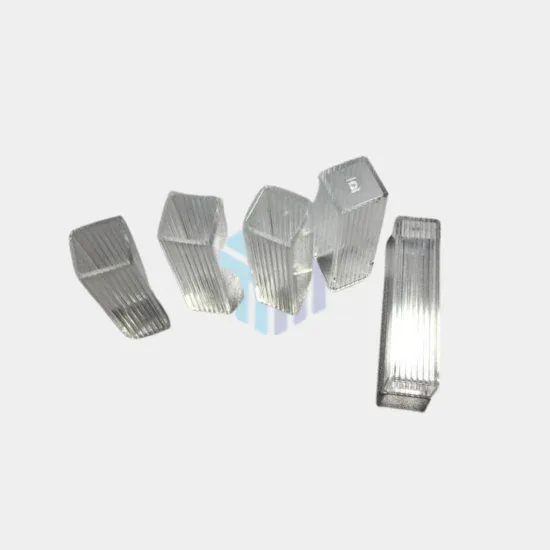
If your UV-Vis data looks noisy, unstable, or “off,” sometimes the problem isn’t the spectrophotometer — it’s how you’re treating your quartz cuvettes. These delicate but high-performance tools require careful handling, cleaning, and storage. Here’s a detailed, practical guide for US labs to preserve the quality of your uv vis quartz cuvettes, protect your data, and maximize the life of your investment.
What Is a Quartz Cuvette?
A quartz cuvette is a transparent sample container used in UV-Visible (UV-Vis) spectroscopy to hold liquid samples during absorbance and transmittance measurements. Manufactured from high-purity fused quartz, these cuvettes provide excellent optical transmission across the ultraviolet and visible spectrum (typically 190–2,500 nm), making them ideal for applications where glass or plastic cuvettes cannot deliver accurate results.
Quartz cuvettes are widely used in pharmaceutical, chemical, environmental, food, and research laboratories for precise spectroscopic analysis due to their high optical clarity, chemical resistance, and durability.
Quartz Cuvette vs Glass vs Plastic Cuvette
Choosing the right cuvette material is essential for obtaining accurate spectroscopic results. The table below compares the key characteristics of quartz, glass, and plastic cuvettes.
| Feature | Quartz Cuvette | Glass Cuvette | Plastic Cuvette |
|---|---|---|---|
| UV Transmission | Excellent (190–2,500 nm) | Limited (typically above 320 nm) | Poor for UV; suitable mainly for visible light |
| Visible Light Performance | Excellent | Excellent | Good |
| Chemical Resistance | Excellent | Good | Moderate |
| Optical Clarity | Excellent | Very Good | Good |
| Reusability | Highly reusable | Reusable | Generally disposable or limited reuse |
| Durability | High | Moderate | Lower |
| Typical Applications | UV-Vis spectroscopy, pharmaceutical and research laboratories | Visible spectroscopy, routine laboratory testing | High-throughput testing, educational labs |
| Cost | Higher | Moderate | Lower |
What Is Quartz Cuvette Path Length and Why Does It Matter?
The path length of a quartz cuvette refers to the distance that light travels through the sample during UV-Vis spectroscopy. This parameter directly affects the absorbance measurement and the accuracy of analytical results.
Key Points About Quartz Cuvette Path Length
-
The standard path length for most UV-Vis cuvettes is 10 mm (1 cm).
-
Path length determines how far the light beam travels through the sample solution.
-
Accurate path length ensures consistent and reproducible absorbance readings.
-
Precision-manufactured cuvettes maintain tight dimensional tolerances, which is important for laboratory measurements.
-
Quartz cuvettes are preferred for UV-Vis spectroscopy because they allow transmission of ultraviolet light that glass or plastic cuvettes cannot handle effectively.
Quartz Cuvette Path Length Guide
| Path Length | Typical Use | Advantage |
|---|---|---|
| 1 mm – 2 mm | Highly concentrated samples | Prevents signal saturation |
| 5 mm | Medium concentration solutions | Balanced sensitivity |
| 10 mm (Standard) | General UV-Vis spectroscopy | Accurate and widely compatible |
| 20 mm – 50 mm | Very low concentration samples | Increased detection sensitivity |
Common Quartz Cuvette Handling Mistakes That Affect UV-Vis Results
Some of the most frequent, but easily overlooked, mishandling issues include:
- Touching the optical windows with bare fingers, leaving oil or sweat that distorts transmission.
- Using abrasive wipes or harsh cleaners that scratch the surface.
- Misfilling the cuvette: overfilling, underfilling, or introducing bubbles.
- Inserting the cuvette in the holder in random orientation — any asymmetry can cause light scattering or path-length inconsistencies.
- Neglecting to clean very well between uses, especially after aggressive samples or solvents.
- Storing cuvettes poorly, allowing dust or micro-scratches to accumulate.
Even micro-level defects (like very fine scratches or tiny residues) can significantly affect baseline stability, blank readings, and reproducibility.
Step-by-Step Guide to Handling Quartz Cuvettes
Here’s a step-by-step approach to protect your cuvettes and your data:
1. Pre-Measurement Inspection
- Hold the cuvette up to a bright light and check for chips, cracks, or haze.
- If you see any obvious damage on the optical windows, retire that cuvette for critical work.
2. Sample Filling
- Use a clean, calibrated pipette with a fresh tip.
- Fill along one wall of the cuvette, slowly, to avoid bubbles.
- Make sure the sample level covers the region where the beam will pass.
3. Consistent Orientation
- Always insert the cuvette in the same orientation (for example, mark one side as “front”).
- This ensures repeatable path length and reduces variation due to cuvette geometry.
4. Cleaning Routine
- Rinse immediately after use with the same solvent or buffer your sample uses.
- Use a mild lab detergent for more stubborn residues, followed by several rinses with deionized (DI) water, then the solvent (if needed).
- Avoid abrasive cloths or paper towels — use lint-free optical wipes.
5. Drying & Storage
- Let the cuvette air-dry upside-down in a clean rack.
- Store in a dedicated cuvette case or rack, separated so they do not scratch each other.
- If using matched pairs (for sample vs blank), always store them together and use them together.
Best Practices for Filling Quartz Cuvettes in UV-Vis Spectroscopy
Correct sample filling is just as important as proper cuvette handling when it comes to accurate and reproducible UV-Vis spectroscopy results. Overfilling, underfilling, air bubbles, or contamination can introduce significant measurement errors. Follow these best practices to ensure optimal performance of quartz cuvettes during analysis.
Use Clean, Compatible Filling Tools
Always use clean pipettes or syringes designed for laboratory use.
-
Avoid reusing pipettes without proper rinsing
-
Use tips compatible with your sample solvent
-
Never insert metal or hard objects into the cuvette
Clean filling tools help prevent contamination and scratches on the quartz surface.
Fill to the Correct Sample Level
Proper filling height ensures the light beam passes fully through the sample.
-
Fill the cuvette to at least two-thirds of its volume
-
Ensure the sample level is above the light path
-
Avoid overfilling to prevent spills onto optical windows
Consistent filling volume improves measurement repeatability.
Avoid Air Bubbles in the Optical Path
Air bubbles scatter light and distort absorbance readings.
-
Fill slowly along the inner wall of the cuvette
-
Gently tap the cuvette to release trapped bubbles
-
Inspect the optical windows before inserting the cuvette into the instrument
If bubbles persist, empty and refill the cuvette rather than attempting to remove them inside the spectrophotometer.
Ensure Proper Sample Homogeneity
Uneven or stratified samples can cause fluctuating readings.
-
Mix samples thoroughly before filling
-
Avoid shaking vigorously, which may introduce bubbles
-
Allow suspended particles to stabilize if required by the method
Homogeneous samples provide consistent absorbance across measurements.
Prevent Contamination of Optical Surfaces
Contamination on the optical faces directly affects light transmission.
-
Handle cuvettes by the frosted sides only
-
Wipe outer surfaces with lint-free tissue before measurement
-
Avoid touching clear optical windows with fingers
Fingerprints and residues can cause baseline drift and reduced accuracy.
Match Sample and Reference Conditions
For best results, the sample and reference cuvettes should be treated identically.
-
Use the same solvent and filling volume
-
Ensure identical temperature conditions
-
Align cuvettes in the same orientation for each measurement
This consistency minimizes systematic errors in UV-Vis analysis.
How to Troubleshoot Common UV-Vis Spectroscopy Errors Caused by Quartz Cuvettes
Unexpected noise, drifting baselines, or inconsistent absorbance readings in UV-Vis spectroscopy are often caused by cuvette-related issues rather than instrument failure. Identifying and correcting these problems quickly helps restore data accuracy and prevents repeat errors.
Below are the most common UV-Vis errors linked to cuvettes and how to fix them.
Baseline Drift or Unstable Readings
Possible causes:
-
Fingerprints or residues on optical windows
-
Inconsistent cuvette orientation between scans
-
Temperature differences between sample and reference
How to fix:
-
Clean cuvettes with approved solvents and lint-free wipes
-
Always insert cuvettes in the same orientation
-
Allow samples and cuvettes to reach thermal equilibrium before measurement
High Noise or Poor Signal-to-Noise Ratio
Possible causes:
-
Scratched or damaged quartz surfaces
-
Dirty or cloudy cuvette windows
-
Air bubbles in the optical path
How to fix:
-
Inspect cuvettes under light for micro-scratches
-
Replace heavily scratched cuvettes
-
Refill the sample carefully to eliminate air bubbles
Unexpected Absorbance Spikes or Light Scattering
Possible causes:
-
Particulate matter or precipitates in the sample
-
Inhomogeneous solutions
-
Improper cleaning residues
How to fix:
-
Filter or centrifuge samples if appropriate
-
Mix samples gently before filling
-
Rinse cuvettes thoroughly to remove detergent or solvent residue
Negative Absorbance Values
Possible causes:
-
Reference cuvette filled incorrectly
-
Mismatched cuvettes used for sample and blank
-
Different solvent composition between blank and sample
How to fix:
-
Refill both sample and reference cuvettes correctly
-
Use matched quartz cuvettes whenever possible
-
Ensure identical solvents and volumes in both cuvettes
Inconsistent Results Between Measurements
Possible causes:
-
Variable sample filling volumes
-
Improper cuvette alignment in the holder
-
Residual contamination from previous samples
How to fix:
-
Use consistent filling techniques and volumes
-
Verify correct cuvette alignment before each scan
-
Clean cuvettes immediately after each use
Reduced UV Transmission at Short Wavelengths
Possible causes:
-
Surface damage or aging of quartz cuvettes
-
Contamination that absorbs in the UV region
How to fix:
-
Use high-quality quartz cuvettes designed for UV applications
-
Replace cuvettes that show persistent UV absorbance loss
-
Store cuvettes properly to prevent surface degradation
How to Extend the Life of Quartz Cuvettes
Proper handling and maintenance can significantly increase the lifespan of quartz cuvettes while preserving their optical performance.
- Handle by the Frosted Sides – Avoid touching the transparent optical windows with your fingers.
- Clean Immediately After Use – Rinse with an appropriate solvent to prevent residue buildup.
- Use Non-Abrasive Cleaning Materials – Avoid brushes or harsh cleaners that may scratch the quartz surface.
- Prevent Thermal Shock – Avoid sudden temperature changes that could damage the cuvette.
- Store in a Protective Case – Keep cuvettes in individual storage boxes to prevent scratches and accidental impact.
- Use Compatible Chemicals – Avoid exposing quartz to chemicals that may damage or etch the surface.
- Inspect Regularly – Replace cuvettes showing signs of wear, scratches, or cracks before they affect analytical accuracy.
Following these best practices helps maintain consistent UV-Vis measurements, minimizes replacement costs, and ensures long-term laboratory performance.
When Should You Replace a Quartz Cuvette?
Quartz cuvettes are durable laboratory tools, but repeated use, improper handling, or chemical exposure can eventually reduce their performance. Identifying early signs of damage helps maintain accurate UV-Vis spectroscopy results.
Common Signs of Cuvette Wear or Damage
-
Visible scratches on optical surfaces
-
Scratches scatter light and distort absorbance readings.
-
-
Cloudy or dull quartz windows
-
Caused by chemical residues or repeated exposure to harsh solvents.
-
-
Unstable or inconsistent spectrophotometer readings
-
May occur even when sample preparation and instrument calibration are correct.
-
-
Chipped or cracked edges
-
Structural damage may cause leakage or improper positioning in the instrument.
-
-
Persistent contamination or staining
-
Some residues cannot be removed even after proper cleaning.
-
Quick Inspection Checklist
| Issue | Possible Cause | Recommended Action |
|---|---|---|
| Scratches on optical windows | Improper cleaning or abrasive wipes | Replace cuvette |
| Cloudy appearance | Chemical damage or residue buildup | Deep cleaning or replacement |
| Inconsistent readings | Light scattering or optical damage | Inspect and replace if needed |
| Chips or cracks | Accidental drops or impact | Replace immediately |
| Permanent stains | Strong reagents or proteins | Consider replacing cuvette |
Regularly inspect quartz cuvettes before each experiment and replace damaged units to ensure accurate UV-Vis spectroscopy measurements and reliable laboratory results.
How to Choose the Right Quartz Cuvette for Your Application
Depending on your application, you might need different cuvette types:
- Standard 1 cm (10 mm) Path Length Quartz Cuvette: Ideal for most UV-Vis experiments, especially when quantitation is based on Beer–Lambert law.
- Micro-volume Quartz Cuvettes (e.g., ~1 mL): Useful when sample volume is limited, such as in protein or nucleic acid work. But smaller cuvettes require extra care to avoid bubbles and ensure full coverage of the beam path.
- Specialized Cells: For flow-through, fluorescence, or high-temperature work, you might need quartz flow cells, four-window cuvettes, or cuvettes with lids.
Read also: How Quartz Cuvettes Revolutionize Spectrophotometric Analysis
How Quartz Cuvette Price Ties Into Performance
Yes, the quartz cuvette price is higher than plastic or glass, but for good reason:
- High-quality quartz cuvettes are manufactured with tight tolerances and polished windows, ensuring accurate path length and minimal scattering.
- Better UV transmission means more reliable data, especially in the deep UV.
- If you handle them right, quartz cuvettes can last a very long time — reducing long-term costs associated with replacing cheap or damaged cells.
In many labs, the cost per measurement for a properly maintained quartz cuvette ends up being very low compared to the risk of bad data or repeated experiments.
Best Practices for Low-Volume UV-Vis Samples
Handling small or sensitive samples in UV‑Vis spectroscopy requires precision to avoid errors:
-
Use micropipettes and fill slowly to minimize sample loss and bubbles.
-
Cover the cuvette immediately to prevent evaporation.
-
Optimize fill height for proper light path without overfilling.
-
Avoid contamination with clean gloves, tips, and careful rinsing.
Takeaway: Careful handling preserves sample integrity and ensures accurate, reproducible measurements.
Conclusion
Quartz cuvettes may seem like a small component of your UV-Vis setup, but they play a huge role in data quality. Mishandling them can introduce major errors, while careful handling, cleaning, and storage ensure your uv vis quartz cuvettes deliver reliable, reproducible, and long-lasting performance. By adopting a few disciplined habits — consistent orientation, gentle cleaning, and proper inspection — you’re not just protecting your equipment, you’re protecting the integrity of your science.
Are your quartz cuvettes affecting your results? Learn proven handling techniques from M-kube Enterprise LLC and upgrade your UV-Vis performance today.
References:
1) Measurements of optical properties of liquids in a quartz cuvette: Rigorous model, uncertainty analysis and comparison with popular approximations (ScienceDirect)
2) Ultraviolet Spectrophotometer (ScienceDirect)
3) UV-VIS Spectroscopy and Its Applications (Springer)