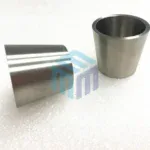

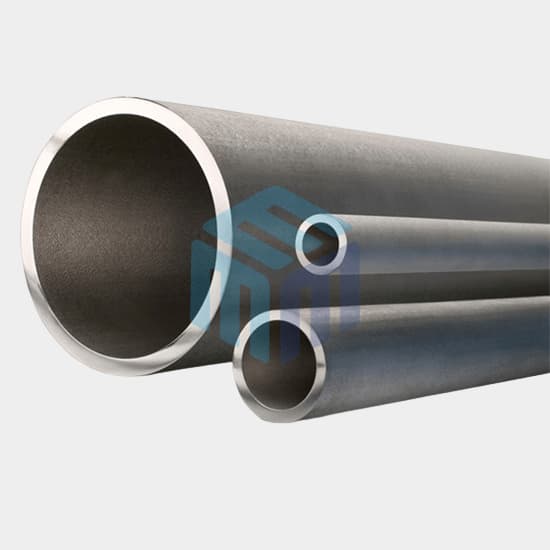
As the United States and other global economies invest heavily in clean energy technologies, hydrogen is emerging as a critical fuel for decarbonizing industrial processes, transportation, and power generation. Among the various hydrogen production methods being explored, methane pyrolysis has gained significant attention because it can produce hydrogen while minimizing carbon dioxide emissions. Unlike conventional steam methane reforming (SMR), methane pyrolysis converts natural gas into hydrogen and solid carbon without generating large amounts of CO₂. This makes it an attractive pathway for low-carbon hydrogen production and a promising technology for supporting the growing hydrogen economy. However, methane pyrolysis reactors operate under extremely demanding conditions, requiring advanced materials that can withstand high temperatures, thermal cycling, and corrosive process environments. This is where SSiC tube technology plays a vital role.
High-performance silicon carbide tubes, silicon carbide pipe systems, and other advanced ceramic components manufactured from Pressureless sintered silicon carbide tube materials are helping engineers design more efficient, reliable, and durable hydrogen production systems.
Understanding Methane Pyrolysis and Its Material Challenges
Methane pyrolysis is based on the thermal decomposition of methane:
CH₄ → 2H₂ + C
This reaction typically occurs at temperatures ranging from approximately 1,800°F to 2,550°F (1,000°C to 1,400°C).
To maintain consistent hydrogen production, reactor components must endure:
- Continuous high-temperature operation
- Frequent startup and shutdown cycles
- Hydrogen-rich atmospheres
- Carbon buildup and erosion
- Aggressive chemical exposure
- Long operating periods with minimal maintenance
Traditional metallic materials often struggle in these environments due to:
- Oxidation
- Thermal fatigue
- Creep deformation
- Material contamination
- Reduced service life
As a result, advanced ceramic materials such as sintered silicon carbide tube products have become increasingly important for next-generation hydrogen reactors.
Types of Silicon Carbide Materials Used in High-Temperature Hydrogen Systems
Several grades of silicon carbide are used in industrial thermal processing and hydrogen production equipment.
SSiC: Pressureless Sintered Silicon Carbide Tube
A Pressureless sintered silicon carbide tube offers:
- Exceptional purity
- Outstanding corrosion resistance
- Superior mechanical strength
- Excellent high-temperature performance
- Long operational life
Because of these advantages, SSiC tube materials are often considered the preferred solution for methane pyrolysis reactors.
RSiC: Recrystallized Silicon Carbide
A Recrystallized SiC Tube provides:
- Excellent thermal shock resistance
- Lightweight construction
- Reliable performance at elevated temperatures
These materials are commonly used in industrial furnace systems and thermal processing equipment.
RBSiC: Reaction-Bonded Silicon Carbide
Also known as a Reaction-sintered SiC Tube, RBSiC materials offer:
- Excellent dimensional stability
- High wear resistance
- Good thermal conductivity
- Cost-effective performance
Many industrial processing systems utilize RBSiC tube components where durability and thermal efficiency are critical.
NBSiC: Nitrogen-Bonded Silicon Carbide
A nitrogen-carbon bonded SiC tube combines:
- Strong thermal performance
- Good oxidation resistance
- Reliable mechanical properties
- Economical manufacturing
An NBSiC tube is commonly used in refractory, kiln, and industrial heating applications.
Why SSiC Tubes Are Critical for Methane Pyrolysis Reactors
Exceptional High-Temperature Stability
Methane pyrolysis reactors operate continuously under extreme thermal conditions.
A silicon carbide tube manufactured from pressureless sintered silicon carbide maintains structural integrity even during prolonged exposure to temperatures exceeding 1,000°C.
Benefits include:
- Minimal deformation
- Improved process stability
- Extended equipment life
- Lower maintenance requirements
For commercial hydrogen production facilities, these advantages can significantly reduce operating costs.
Superior Heat Transfer Efficiency
Efficient heat transfer is essential for maximizing methane conversion and hydrogen output.
Compared to many conventional materials, silicon carbide tubes provide:
- High thermal conductivity
- Rapid heat transfer
- Uniform temperature distribution
- Reduced thermal losses
These characteristics help improve reactor efficiency and energy utilization.
Outstanding Thermal Shock Resistance
Hydrogen production facilities frequently experience temperature fluctuations during:
- Startup procedures
- Shutdown cycles
- Process adjustments
- Maintenance operations
The exceptional thermal shock resistance of an SSiC tube helps minimize the risk of:
- Cracking
- Thermal stress damage
- Unexpected equipment failures
This contributes to greater system reliability and reduced downtime.
Enhanced Process Purity
Hydrogen applications require exceptionally clean processing environments.
Advanced customized silicon carbide components help maintain:
- High hydrogen purity
- Reduced contamination risks
- Consistent process performance
- Improved product quality
For clean-energy applications, material purity is often just as important as thermal performance.
The Role of Silicon Carbide Thermocouple Protection Tubes
Accurate temperature control is critical in methane pyrolysis systems.
A silicon carbide thermocouple protection tube protects temperature sensors from:
- Mechanical wear
- Carbon accumulation
- Corrosive gases
- High-temperature degradation
Reliable temperature monitoring allows operators to optimize hydrogen production efficiency while protecting critical process equipment.
Evaluating Silicon Carbide Tube Price vs Long-Term Value
When assessing silicon carbide tube price, it is important to consider total lifecycle cost rather than initial purchase price alone.
Although advanced silicon carbide materials may require a higher upfront investment, they often deliver significant long-term benefits, including:
- Extended service life
- Lower maintenance expenses
- Improved thermal efficiency
- Reduced unplanned downtime
- Increased operational reliability
Similarly, while silicon carbide rod price may vary depending on material grade and dimensions, high-quality components frequently provide greater long-term value through improved durability and performance.
Supporting the Growth of the U.S. Hydrogen Economy
The United States is investing billions of dollars in hydrogen infrastructure, clean energy initiatives, and industrial decarbonization programs.
As methane pyrolysis technology continues to advance, high-performance materials such as:
- SiC tube
- Silicon carbide tube
- Silicon carbide pipe
- SiC Rod
- Silicon carbide rod
- Silicon carbide thermocouple protection tube
are becoming increasingly important for enabling efficient, large-scale hydrogen production.
Without advanced materials like Pressureless sintered silicon carbide tube products, many next-generation hydrogen technologies would face significant limitations in efficiency, durability, and scalability.
Conclusion
The future of low-carbon hydrogen production depends not only on innovative reactor designs but also on the advanced materials that enable these systems to operate under extreme conditions.
From silicon carbide pipe systems and silicon carbide tubes to SiC Rod components and silicon carbide thermocouple protection tube assemblies, silicon carbide technology is helping transform methane pyrolysis into a practical and scalable hydrogen production solution.
Among the available materials, SSiC tube technology stands out for its superior thermal stability, corrosion resistance, heat transfer performance, and long-term durability. As the hydrogen economy continues to expand across the United States and globally, advanced sintered silicon carbide tube solutions will remain essential to the success of next-generation methane pyrolysis reactors.
Looking for premium SSiC Tubes, Silicon Carbide Pipes, SiC Rods, or customized silicon carbide components for hydrogen production and high-temperature processing?
📞 Call us: +1-732-808-1999
📧 Email: info@mkubeenterprise.com today for expert guidance, competitive pricing, and custom-engineered solutions tailored to your application.