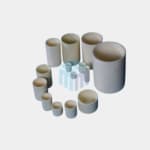

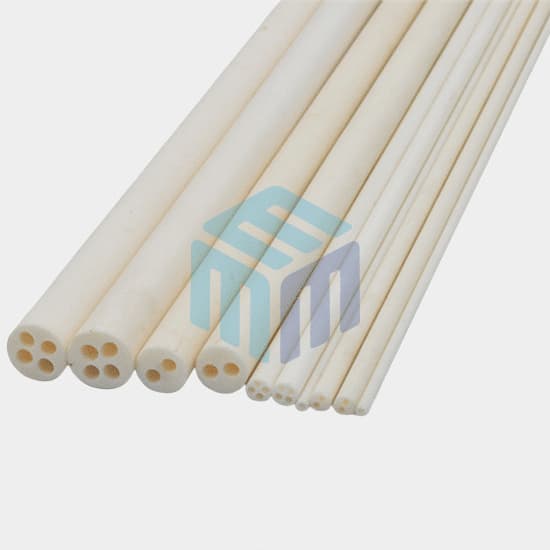
Material handling systems operate in some of the harshest industrial environments. Whether transporting minerals, cement, coal, fly ash, chemicals, ceramics, or bulk powders, equipment is constantly exposed to abrasion, impact, erosion, and wear. Over time, these conditions can cause significant damage to conventional steel pipes, resulting in increased maintenance costs, production downtime, and reduced operational efficiency. To combat these challenges, many industries utilize Alumina Tubes and alumina ceramic pipe solutions as highly effective abrasion-resistant linings. Thanks to their exceptional hardness, wear resistance, and chemical stability, alumina ceramics have become a preferred material for extending equipment life in demanding material handling applications.
However, selecting the right alumina tube requires careful consideration of purity levels, operating conditions, dimensional requirements, and application-specific performance factors.
In this guide, we’ll explore how to choose the right Alumina Tubes in USA for abrasion-resistant lining applications and why alumina ceramics remain one of the most trusted solutions for industrial wear protection.
Why Abrasion Resistance Matters in Material Handling Systems
Material handling systems frequently transport highly abrasive materials such as:
- Silica sand
- Cement clinker
- Coal ash
- Limestone
- Ceramic powders
- Minerals and ores
- Fly ash
- Industrial chemicals
These materials continuously impact and slide against equipment surfaces.
The result can be:
- Pipe wall thinning
- Surface erosion
- Reduced flow efficiency
- Unexpected equipment failures
- Increased maintenance costs
Abrasion-resistant ceramic linings help mitigate these problems by providing a durable protective barrier between the transported material and the equipment structure.
Why Alumina Ceramics Are Ideal for Wear Protection
Exceptional Hardness
One of the primary reasons industries choose alumina ceramics is their extremely high hardness.
Alumina is significantly harder than:
- Carbon steel
- Stainless steel
- Cast iron
- Most engineering alloys
This hardness allows alumina tubes to withstand continuous abrasion from aggressive materials.
Outstanding Wear Resistance
High-purity alumina ceramics can provide service life several times longer than conventional metallic materials.
Benefits include:
- Reduced replacement frequency
- Lower maintenance expenses
- Increased equipment availability
- Improved operational reliability
For high-volume material transport systems, these advantages can translate into substantial long-term savings.
Excellent Chemical Stability
Material handling systems often encounter corrosive environments alongside abrasive wear.
Alumina ceramics offer resistance to:
- Acids
- Alkalis
- Solvents
- Industrial chemicals
This combination of wear and corrosion resistance makes alumina an ideal lining material.
High Temperature Capability
Many industrial processes involve elevated temperatures.
Alumina Furnace tubes and ceramic lining components maintain excellent performance under high-temperature operating conditions, making them suitable for thermal processing applications.
Factors to Consider When Selecting Alumina Tubes
Choosing the right alumina ceramic tube requires evaluating several important factors.
Alumina Purity Level
The percentage of aluminum oxide significantly influences performance.
Common grades include:
- 92% Alumina
- 95% Alumina
- 99% Alumina
Higher-purity alumina typically provides:
- Greater hardness
- Improved wear resistance
- Better chemical stability
For severe abrasion applications, higher-purity grades are often preferred.
Operating Conditions
Consider:
- Material velocity
- Particle size
- Impact intensity
- Temperature
- Chemical exposure
For example:
High-velocity pneumatic conveying systems may require thicker-walled alumina tubes to maximize service life.
Tube Dimensions and Geometry
The effectiveness of an abrasion-resistant lining depends on proper sizing.
Key considerations include:
- Inner diameter
- Wall thickness
- Length
- Connection methods
Many alumina ceramic tube suppliers offer custom manufacturing to meet specific application requirements.
Impact Resistance Requirements
Some applications involve direct material impact rather than simple sliding abrasion.
Examples include:
- Transfer chutes
- Hoppers
- Drop points
In these situations, material toughness becomes an important selection factor alongside hardness.
Read also: How to Use Alumina Tubes for Long-Term High-Temperature Applications
Alumina Rods and Specialized Ceramic Components
In addition to tubes, many industrial applications utilize:
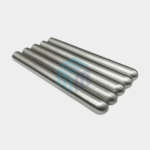
- Alumina Rods
- Alumina Rods in USA
- alumina ceramic rods
These components are commonly used for:
- Wear guides
- Insulating supports
- Mechanical positioning systems
- Furnace applications
High-purity alumina rods provide excellent dimensional stability and long-term durability.
Read also: Why Do Alumina Tubes Break in Tube Furnaces?
Choosing the Right Alumina Ceramic Tube Supplier
Not all ceramic suppliers offer the same level of quality and manufacturing expertise.
At M-Kube Enterprise LLC, we supply premium Alumina Tubes in USA, Alumina Furnace tubes in USA, Alumina Rods in USA, and advanced ceramic solutions designed for demanding wear-resistant and high-temperature industrial applications.
Conclusion: Maximizing Equipment Life with the Right Alumina Tube
Abrasion is one of the most significant challenges facing material handling systems across industries such as mining, cement, power generation, and bulk material processing.
Whether you’re designing a new conveying system or upgrading existing equipment, choosing the appropriate alumina ceramic tube ensures better protection against wear and helps maximize long-term operational efficiency.
Looking for High-Quality Alumina Tubes?
If you’re searching for trusted Alumina Tube Suppliers in USA, Alumina Rods in USA, Alumina Furnace tubes in USA, alumina ceramic tube suppliers, or customized alumina ceramic components, M-Kube Enterprise can help.
📞 Call us: +1-732-808-1999
📧 Email: info@mkubeenterprise.com today to discuss your abrasion-resistant lining, material handling, and advanced ceramic application requirements.