
Chemical processing environments present some of the most demanding operating conditions for industrial equipment. High temperatures, corrosive chemicals, thermal cycling, abrasive media, and continuous operation can quickly degrade conventional materials, leading to costly maintenance, process interruptions, and equipment failures. To address these challenges, many industries rely on SiC tube solutions for superior performance in aggressive chemical environments.
Known for exceptional chemical resistance, high thermal conductivity, and outstanding mechanical strength, silicon carbide tubes have become a preferred choice for acid processing systems, alkali handling applications, and high-temperature chemical reactors.
However, not all silicon carbide materials are the same. Various grades; including RBSiC tube, SSiC tube, NBSiC tube, and Recrystallized SiC Tube that offer different performance characteristics depending on the process requirements.
In this guide, we’ll explore how to select the right silicon carbide tube for chemical processing applications and compare the most commonly used SiC materials.
Compared to traditional metals and refractory materials, silicon carbide offers significantly better resistance to corrosion, wear, and thermal shock.
Common product forms include:
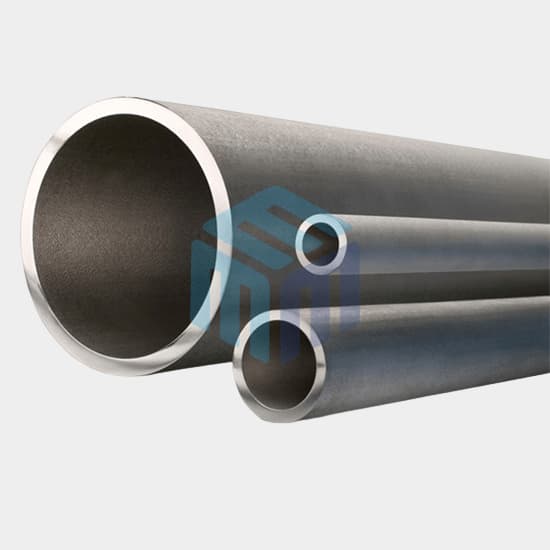
- Silicon carbide tube
- Silicon carbide pipe
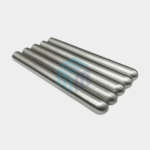
- SiC Rod
- Silicon carbide rod
- Silicon carbide thermocouple protection tube
Key Properties That Make SiC Tubes Ideal for Chemical Systems
Exceptional Chemical Resistance
One of the primary advantages of silicon carbide is its resistance to a wide range of corrosive chemicals.
SiC performs exceptionally well against:
- Strong acids
- Alkalis
- Oxidizing environments
- Chemical vapors
- Aggressive process gases
This makes silicon carbide tubes ideal for harsh chemical processing environments where metallic alternatives may fail.
High Temperature Capability
Many chemical processes operate at temperatures exceeding 1000°C.
SiC tubes maintain:
- Mechanical strength
- Structural stability
- Corrosion resistance
Even under prolonged high-temperature exposure.
Excellent Thermal Conductivity
Silicon carbide provides significantly higher thermal conductivity than many traditional ceramics.
Benefits include:
- Faster heat transfer
- Improved energy efficiency
- Better temperature uniformity
- Reduced thermal gradients
These properties are especially valuable in heat exchanger and reactor applications.
Superior Wear Resistance
Chemical processing streams often contain:
- Abrasive particles
- Slurries
- Solid contaminants
The exceptional hardness of SiC helps minimize wear and extend component lifespan.
Understanding Different Types of Silicon Carbide Tubes
Choosing the right SiC material requires understanding the characteristics of each manufacturing method.
Pressureless Sintered Silicon Carbide Tube (SSiC Tube)
A Pressureless sintered silicon carbide tube is manufactured using high-purity SiC powder without free silicon infiltration.
For highly corrosive environments, SSiC tube materials are often considered the premium solution.
Reaction-Sintered SiC Tube (RBSiC Tube)
Also known as Reaction-sintered SiC Tube, RBSiC is produced through silicon infiltration of porous carbon-containing structures.
Many industrial facilities choose RBSiC tube products because they offer a strong balance between performance and cost.
Nitrogen-Bonded SiC Tube (NBSiC Tube)
A nitrogen-carbon bonded SiC tube or NBSiC tube utilizes silicon carbide bonded with silicon nitride phases.
Recrystallized SiC Tube
A Recrystallized SiC Tube is manufactured by recrystallizing fine SiC particles at extremely high temperatures.
Selecting the Best SiC Tube for Acid Processing
For concentrated acid environments, chemical resistance is the primary consideration.
Recommended options:
Best Choice
- SSiC tube
- Pressureless sintered silicon carbide tube
These materials provide:
- Exceptional corrosion resistance
- Minimal chemical interaction
- Long service life
Alternative Option
- RBSiC tube
Suitable when moderate corrosion resistance and cost efficiency are both important.
Read also: Reaction-Bonded vs. Sintered Silicon Carbide Tubes — Which Is Right for Your Application?
Selecting the Best SiC Tube for Alkali Processing
Alkali environments can be particularly aggressive at elevated temperatures.
Recommended solutions include:
- High-density SSiC tubes
- Customized silicon carbide reactor components
Important selection factors include:
- Operating temperature
- Alkali concentration
- Process pressure
- Thermal cycling frequency
For demanding alkali applications, consulting a supplier experienced in customized silicon carbide solutions is often beneficial.
Silicon Carbide Thermocouple Protection Tubes
In chemical processing plants, accurate temperature measurement is essential.
A silicon carbide thermocouple protection tube protects temperature sensors from:
- Corrosive gases
- Chemical attack
- Thermal shock
- Mechanical wear
These tubes help improve thermocouple lifespan while maintaining reliable temperature monitoring.
Also read: Signs of Tube Fatigue — When to Replace Your SiC Tube Before Failure
Choosing the Right Silicon Carbide Supplier
When evaluating suppliers, focus on more than just silicon carbide tube price or silicon carbide rod price.
At M-Kube Enterprise LLC, we supply premium silicon carbide tube, silicon carbide pipe, SiC Rod, and advanced ceramic solutions designed for demanding industrial and chemical processing applications.
Conclusion: Matching the Right SiC Tube to Your Chemical Process
Chemical processing environments demand materials that can withstand extreme temperatures, corrosive chemicals, and continuous operation without compromising performance.
Whether you’re handling strong acids, alkalis, aggressive process gases, or high-temperature chemical reactions, selecting the right silicon carbide tube can significantly improve system reliability and operating efficiency.
Among the available options:
- SSiC tubes provide the highest corrosion resistance.
- RBSiC tubes offer excellent value and thermal shock performance.
- NBSiC tubes perform well in thermal processing applications.
- Recrystallized SiC Tubes excel in ultra-high-temperature environments.
By carefully evaluating process conditions and material requirements, facilities can maximize equipment lifespan while reducing maintenance and operational costs.
Looking for High-Quality Silicon Carbide Tubes?
If you’re searching for a trusted supplier of SiC tube, silicon carbide tube, RBSiC tube, SSiC tube, NBSiC tube, silicon carbide thermocouple protection tube, or customized silicon carbide components, M-Kube Enterprise can help.
📞 Call us: +1-732-808-1999
📧 Email: info@mkubeenterprise.com today to discuss your chemical processing, high-temperature, and advanced ceramic application requirements.