
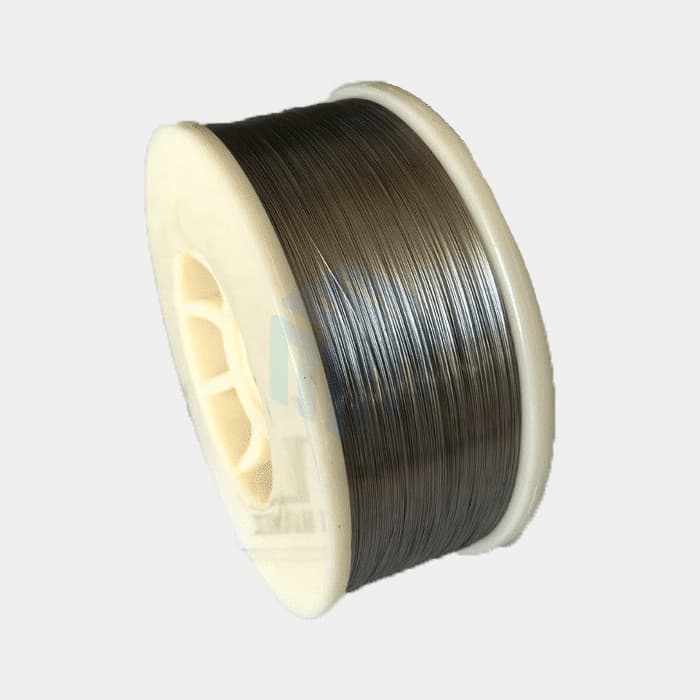
Tungsten wire matters in extreme heat because it combines exceptional thermal stability with unmatched reliability at temperatures where most metals fail. With one of the highest melting points of any metal—approximately 3422 °C—tungsten can withstand intense heat without melting, deforming, or losing structural integrity. This unique property makes tungsten wire a critical material in high-temperature environments such as furnaces, heating elements, and advanced industrial applications, where consistent performance, safety, and long service life are essential.
Key Properties That Make Tungsten Wire Suitable for Extreme Heat
Tungsten is one of the densest and highest melting point metals available, with a melting point of 3422°C (6192°F). Its remarkable properties include:
-
High tensile strength and durability — retains strength at high temp.
-
Low vapor pressure and thermal stability.
-
Exceptional heat resistance, maintaining strength at extreme temperatures
- High tensile strength, making it durable in fine wire applications
- Low vapor pressure, reducing evaporation at high temperatures
- Corrosion and oxidation resistance in controlled atmospheres
These characteristics make pure tungsten wire ideal for applications ranging from laboratory experiments to industrial heating systems.
Why Tungsten’s High Melting Point Matters For
Tungsten’s exceptionally high melting point—approximately 3422 °C, the highest of any metal—makes it uniquely valuable in applications that operate under extreme heat. At temperatures where most metals soften, deform, or fail, tungsten retains its strength, shape, and stability. This allows components made from tungsten to function reliably in high-temperature environments such as furnace heating elements, thermal shields, vacuum systems and lighting filaments.
Because tungsten does not melt or creep easily at elevated temperatures, it enables precise temperature control, consistent performance, and longer service life in critical processes. Its resistance to thermal stress reduces the risk of sagging, warping, or sudden failure, which helps prevent downtime and protects surrounding equipment. In demanding industrial and scientific settings, tungsten’s high melting point is not just a material advantage—it is a key factor in safety, efficiency, and process reliability.
Applications of Tungsten Wire in Extreme Heat Environments
1. Tungsten Filament Wire
- Used in incandescent lamps and electron tubes
- Withstands high operating temperatures without deformation
- Provides stable electrical resistance for consistent lighting
2. High-Temperature Tungsten Wire for Heating Elements
- Employed in industrial furnaces, vacuum ovens, and high-temp reactors
- Maintains structural integrity under prolonged heating
- Can be alloyed with rhenium (tungsten-rhenium wire) for enhanced ductility
3. Thin and Fine Tungsten Wire for Scientific Equipment
- Used in X-ray tubes, vacuum tubes, and thermionic emitters
- Extremely precise and strong, even in ultra-fine diameters
- Offers reliable performance in research and lab settings
How to Choose the Right Tungsten Wire for Extreme Heat: Technical Buying Guide
When selecting tungsten wire, it’s important to evaluate the following factors:
-
Purity and Grade: Higher-purity tungsten offers better thermal stability, strength, and resistance to oxidation, ensuring reliable performance in high-temperature environments.
-
Diameter and Tolerance: Choose the correct wire diameter and tolerance for your application, as even small variations can affect efficiency and precision.
-
Mechanical Properties: Consider tensile strength and flexibility, especially for applications involving coiling, bending, or repeated thermal cycling.
-
Surface Finish and Treatment: A smooth, clean surface helps prevent oxidation or contamination, particularly in vacuum or high-temperature applications.
-
Supplier Reliability and Quality Control: Ensure the supplier follows strict manufacturing standards and provides certification and traceability for consistent performance.
These factors help ensure that the tungsten wire you purchase delivers maximum durability, efficiency, and safety in your intended application.
Tungsten Wire in Vacuum vs Open-Air Environments — What You Need to Know
Tungsten wire is widely recognized for its exceptionally high melting point (3422 °C) and superior thermal stability, making it ideal for extreme heat applications. However, its performance varies significantly depending on whether it is used in a vacuum or open-air environment. Understanding this difference is critical for ensuring safety, durability, and optimal performance.
| Feature | Vacuum Environment | Open-Air Environment |
|---|---|---|
| Oxidation Risk | None | High |
| Maximum Operating Temperature | Near 3422 °C | ~300–500 °C |
| Material Stability | Excellent | Poor at high heat |
| Lifespan | Long | Short |
| Recommended Applications | Furnaces, labs, aerospace | Limited, low-temperature uses |
Choosing the Right Environment for Tungsten Wire
To maximize performance and safety:
-
Choose vacuum or inert gas environments for extreme heat applications.
-
Avoid open-air exposure at high temperatures unless protective measures are in place.
-
Consult material specifications before selecting tungsten wire for industrial use.
Using tungsten wire in the wrong environment can lead to premature failure, safety hazards, and increased costs.
Common Challenges When Using Tungsten Wire in Extreme Heat Environments
While tungsten wire offers exceptional heat resistance and durability, certain challenges can affect its performance in high-temperature applications.
- Oxidation at High Temperatures: Tungsten can oxidize rapidly when exposed to air at elevated temperatures, requiring vacuum or inert gas environments.
- Brittleness at Room Temperature: Although strong at high temperatures, tungsten wire can be brittle during handling and installation.
- Thermal Stress and Cycling: Repeated heating and cooling cycles may lead to material fatigue over time.
- Processing and Fabrication Difficulties: Due to its hardness and high melting point, tungsten can be more difficult to shape and manufacture than other metals.
Proper material selection, handling, and operating conditions help maximize the performance and lifespan of tungsten wire in extreme heat environments.
Conclusion
In conclusion, tungsten wire’s exceptionally high melting point makes it uniquely suited for extreme heat applications where most metals would fail. Its ability to retain strength, shape, and stability at temperatures exceeding 3422 °C ensures reliable performance in industrial heating, lighting, electronics, and scientific equipment. By resisting deformation, sagging, and material loss, tungsten wire not only enhances process efficiency but also extends the service life of critical components. For any high-temperature application demanding precision, durability, and safety, tungsten wire remains an unmatched material choice.
👉 Ready to source high-quality tungsten wire for your project or lab? Browse and buy tungsten wire from trusted US suppliers as M-Kube Enterprise LLC today for reliable, high-temperature performance.