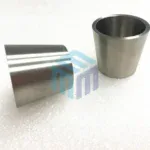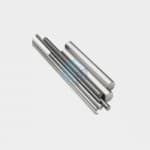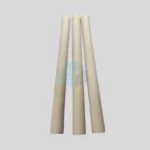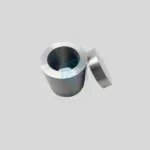

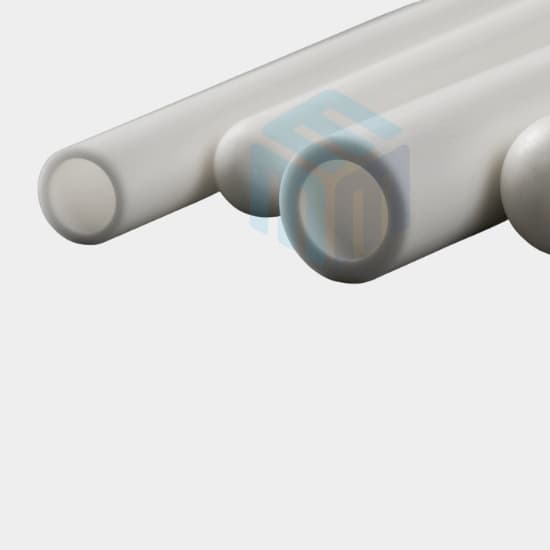
Zirconia is one of the toughest advanced ceramics available today. It’s strong, wear-resistant, and capable of operating at extremely high temperatures. Yet despite its strength, a zirconia tube can still fail often not because of material weakness, but because of improper handling.
If your lab or industrial process operates near 1500°C, knowing how to handle zirconia ceramic tubes correctly can dramatically reduce breakage, downtime, and unexpected replacement costs.
Let’s walk through practical, field-tested handling strategies that protect both your equipment and your investment.
Why Zirconia Tubes Break (Even Though They’re Extremely Strong)
Zirconia (ZrO₂) is known for transformation toughening—a mechanism that improves crack resistance compared to many other ceramics. However, it is still a brittle material.
Common failure causes include:
- Thermal shock from rapid temperature change
- Point loading during installation
- Mechanical impact or vibration
- Improper support in furnace systems
- Surface microcracks from mishandling
Even high-quality products from trusted zirconium oxide tubes suppliers can fail if installation or handling procedures are incorrect.
Understanding these risks is the first step toward prevention.
- Avoid Thermal Shock at All Costs
Thermal shock is the #1 cause of failure in zirconia ceramic tubes operating near 1500°C.
Best Practices:
- Use gradual heating ramps (5–10°C per minute when possible)
- Avoid inserting cold tubes into hot furnaces
- Allow controlled cooling—never quench
- Minimize sudden gas flow changes in high-temperature systems
Although zirconia performs better than alumina under thermal stress, rapid temperature gradients can still cause cracking.
2. Always Support the Zirconia Tube Properly in the Furnace
Improper support leads to bending stress and mid-span fractures.
Support Guidelines:
- Use multiple support points for long tubes
- Avoid rigid clamping that restricts thermal expansion
- Use ceramic supports compatible with zirconia
- Ensure horizontal alignment in tube furnaces
A long unsupported span in a zirconia tube exposed to 1500°C will experience sagging stress over time.
3. Handle with Clean, Cushioned Gloves
Surface microcracks can form from minor impacts even if they’re not visible.
Safe Handling Tips:
- Wear padded, clean gloves
- Avoid metal tools contacting the tube surface
- Store tubes in foam-lined racks
- Never stack zirconia rods or tubes directly on hard surfaces
Whether handling a zirconia rod or full-length tube, always treat it as precision ceramic not structural steel.
4. Inspect Before and After Every Thermal Cycle
Microscopic damage accumulates gradually.
Check for:
- Hairline cracks near ends
- Surface chips
- Oval deformation
- Edge damage
Small flaws in zirconia ceramic rods can propagate under high-temperature stress.
Routine inspection reduces catastrophic failure during operation.
5. Consider Wall Thickness for High-Temperature Stability
If you operate continuously at 1400–1500°C, thin-walled tubes may be vulnerable to stress over time.
When working with zirconium oxide tubes suppliers, verify:
- Operating temperature rating
- Wall thickness specifications
- Density and grain structure
- Stabilization type (Y-TZP, partially stabilized, etc.)
A properly specified tube is far less likely to fail under sustained heat.
6. Avoid Rapid Gas Flow Changes in Process Systems
In controlled atmosphere furnaces, sudden gas introduction creates localized cooling zones.
That temperature differential can crack a zirconia tube even if the furnace ramp rate is controlled.
Best practice:
- Preheat incoming gases when possible
- Introduce flow gradually
- Avoid cold purge cycles at peak temperature
- Store Zirconia Rods and Tubes Correctly
Improper storage causes unnoticed microdamage.
Storage Recommendations:
- Keep in dry, temperature-stable environments
- Store horizontally with full-length support
- Use protective packaging
- Avoid vibration zones
If you’re comparing zirconia rod price options, remember that improper storage can destroy even premium-grade material before it’s ever installed.
- Understand Zirconia’s Strength Profile
Zirconia has:
- High flexural strength
- High fracture toughness (for a ceramic)
- Excellent thermal resistance
- Strong wear resistance
But it does NOT tolerate:
- Sharp mechanical impact
- Severe thermal gradients
- Uneven mechanical loading
That’s why correct handling of Zirconia Tube and rods is essential, especially in high-temperature laboratory and industrial applications.
Conclusion: Strength Is Not Invincibility
Zirconia is one of the most advanced ceramic materials available but it still demands respect.
Most failures don’t happen because zirconia is weak. They happen because of thermal shock, poor support, or improper handling.
By controlling ramp rates, providing proper mechanical support, and sourcing from experienced zirconium oxide tube suppliers, you can operate confidently even at 1500°C.
Need High-Quality Zirconia Tubes or Rods?
Contact 📞: +1-732-808-1999
📧 Email: info@mkubeenterprise.com today to discuss your high-temperature application and get expert guidance on selecting the right zirconia solution for your process.