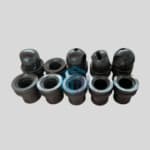

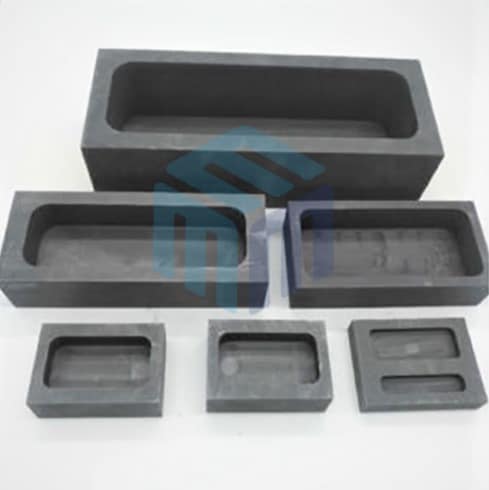
Graphite crucibles are widely used in metal melting, casting, and laboratory applications due to their high thermal conductivity, chemical inertness, and resistance to extreme temperatures. Despite their durability, cracking remains a common issue that can compromise performance, lead to metal contamination, and increase replacement costs. Understanding the causes of cracks and preventive measures is essential for maximizing the life of your graphite crucibles.
What Is a Graphite Crucible and What Is It Used For?
A graphite crucible is a high-temperature container used to melt, hold, and process metals in foundries, laboratories, and industrial furnaces. Made from high-purity graphite or graphite-clay composites, these crucibles offer excellent thermal conductivity, thermal shock resistance, and chemical stability. They are commonly used for melting metals such as gold, silver, copper, aluminum, brass, and other non-ferrous alloys due to their ability to withstand extreme temperatures while ensuring efficient heat transfer.
Why Graphite Crucibles Are Used in High-Temperature Applications
Graphite crucibles are containers made from high-purity graphite or clay-graphite composites, designed to withstand high temperatures for melting metals such as gold, silver, copper, and steel. Key features include:
- Excellent thermal conductivity for rapid, uniform heating
- High melting point resistance up to 3000°C depending on the grade
- Chemical stability to resist fluxes, molten metals, and oxidation (in inert atmospheres)
Types of graphite crucibles include:
- Clay graphite crucibles – economical and durable for most metals
- High-purity graphite crucibles – ideal for precious metals like gold and platinum
- Graphite crucible with lid – reduces oxidation and contamination
- Small and large graphite crucibles – for lab-scale to industrial applications
Common Causes of Graphite Crucible Cracking
- Thermal Shock: A Leading Cause of Graphite Crucible Failure
- Rapid temperature changes, such as moving a cold crucible into a hot furnace, create stress fractures.
- Uneven heating can also result in warping and localized cracking.
- Improper Heating & Cooling
- Skipping preheating or abrupt furnace shut-off can induce thermal gradients, leading to cracks.
- Gradual ramp-up and ramp-down are essential for crucible longevity.
- Moisture and Contaminants
- Trapped moisture in the crucible or surrounding materials can vaporize explosively, causing cracks.
- Ensure crucibles are dry before heating and stored properly.
- Mechanical Stress
- Dropping, bumping, or using metal tools inside the crucible can cause surface and structural cracks.
- Overfilling or uneven weight distribution can also create internal stress points.
- Chemical Attack
- Using incompatible fluxes or metals may react with graphite, leading to surface degradation and eventual cracking.
- Certain alloys like steel require crucibles rated for high-temperature and chemical exposure.
Graphite Crucible Failure Modes and Root Causes
Graphite crucibles can fail due to thermal, chemical, and mechanical stresses during high-temperature operations. Understanding the failure mode helps improve crucible performance and prevent premature damage.
| Failure Mode | Root Cause | Impact |
|---|---|---|
| Cracking | Thermal shock, rapid temperature changes | Structural failure |
| Oxidation Damage | Exposure to oxygen at high temperatures | Reduced strength and lifespan |
| Spalling | Uneven heating or rapid cooling | Surface material loss |
| Edge Damage | Improper handling or impact | Crack initiation points |
| Chemical Erosion | Reactive slags or chemicals | Surface degradation |
Proper operating conditions and handling practices help reduce these failures.
Graphite Crucible Failure Inspection Checklist
Regular inspection helps identify early signs of wear and prevents unexpected crucible failure during operation. Use the following checklist before each melting cycle:
- Check for Visible Cracks – Inspect the interior and exterior surfaces for hairline or deep cracks.
- Inspect the Rim – Look for chips, fractures, or deformation around the crucible edge.
- Examine the Bottom Surface – Check for erosion, excessive wear, or bottom cracking.
- Look for Oxidation Damage – Identify signs of material loss, flaking, or surface deterioration.
- Check Wall Thickness – Ensure the walls have not become excessively thin due to wear.
- Inspect for Chemical Corrosion – Look for damage caused by aggressive fluxes or molten materials.
- Remove Residual Slag – Clean any slag or metal residue that could affect the next melting cycle.
- Verify Overall Structural Integrity – Replace the crucible if significant damage or deformation is observed.
Routine inspections help improve safety, maintain melting efficiency, and extend crucible service life.
How Thermal Shock Causes Graphite Crucible Cracking
Thermal shock is one of the major causes of graphite crucible cracking. Rapid heating or cooling creates temperature differences within the crucible, generating internal stress.
Common causes of thermal shock include:
- Fast heating rates
- Sudden cooling after use
- Uneven temperature distribution
- Charging cold material into a hot crucible
Repeated thermal shock can lead to cracks, spalling, and reduced crucible life. Controlled heating and cooling cycles help minimize damage.
How Oxidation and Chemical Attack Damage Graphite Crucibles
Graphite crucibles are susceptible to oxidation when exposed to oxygen at elevated temperatures. Oxidation gradually reduces graphite strength and causes surface deterioration.
Chemical attack may also occur due to:
- Reactive fluxes and slags
- Oxidizing furnace atmospheres
- Moisture exposure
- Corrosive processing materials
Maintaining proper furnace atmosphere conditions helps reduce oxidation and improve crucible durability.
Early Signs of Graphite Crucible Failure
Identifying early warning signs helps prevent unexpected crucible breakage during operation.
Common indicators include:
- Hairline cracks on the surface
- Edge chipping or damage
- Surface roughness and spalling
- Oxidation marks or discoloration
- Reduction in wall thickness
- Visible structural weakening
Regular inspection and preventive maintenance help extend graphite crucible service life.
Types of Graphite Crucible Cracks and What They Mean
Graphite crucible cracks are not all the same—different crack patterns usually indicate different types of stress, damage causes, and levels of severity. Understanding these variations helps in identifying early failure signs, preventing contamination, and extending crucible life.
Surface Hairline Cracks (Early-Stage Wear)
Surface or hairline cracks are very fine cracks that appear on the outer or inner surface of the crucible. These are usually the first visible signs of stress.
- Typically caused by repeated heating and cooling cycles (thermal fatigue)
- May also result from minor handling stress or slight overheating
- Often shallow and do not immediately affect performance
What it means:
The crucible is in the early stage of wear. It is still usable, but close monitoring is required to prevent progression into deeper cracks.
Thermal Shock Cracks (Sudden Stress Damage)
Thermal shock cracks are more pronounced and occur when the crucible is exposed to rapid temperature changes.
- Caused by sudden heating or cooling
- Common when a hot crucible is placed on a cold surface or charged incorrectly
- Cracks may spread quickly across the structure
What it means:
The crucible has undergone severe thermal stress. Structural integrity is compromised, and continued use may be risky.
Structural Cracks (Deep or Through-Wall Cracks)
These are serious cracks that penetrate deep into the crucible body, sometimes extending through the full wall thickness.
- Caused by prolonged overheating or repeated stress accumulation
- Can result from overloading or mechanical impact
- Often visible as long, widening fractures
What it means:
The crucible is in a critical condition and should be replaced immediately to avoid failure during operation.
Bottom Cracks (Load and Heat Concentration Failure)
Bottom cracks occur at the base of the crucible, where heat and material stress are most concentrated.
- Caused by uneven heating or excessive load at the base
- May also result from thermal expansion mismatch
- Often difficult to detect until failure occurs
What it means:
This is a high-risk failure type. The crucible is unsafe for further use and should be replaced immediately.
Corner and Edge Cracks (Mechanical Stress Damage)
These cracks appear around edges, rims, or corners of the crucible.
- Caused by improper handling or impact during loading/unloading
- Often linked to contact with hard tools or furnace components
- Can gradually expand into larger structural cracks
What it means:
The crucible has been mechanically damaged and may deteriorate quickly if reused.
What These Cracks Indicate Overall
Each type of crack reflects a specific failure mechanism:
- Thermal cracks → temperature control issues
- Mechanical cracks → handling problems
- Structural cracks → end-of-life material fatigue
- Bottom cracks → operational overload or uneven heating
Key takeaway: Identifying crack types early helps prevent unexpected crucible failure, improves safety, and reduces replacement costs.
Step-by-Step Guide to Prevent Graphite Crucible Cracking
✅ Controlled Heating and Cooling
- Gradually preheat the crucible before melting metals.
- Avoid sudden temperature drops; allow slow cooling in furnace or ambient conditions.
✅ Proper Storage and Handling
- Store in dry, clean areas to prevent moisture absorption.
- Handle with care, avoiding impact or dropping.
✅ Choose the Right Crucible Type
- For precious metals, use high-purity graphite crucibles.
- For industrial metals, clay-graphite crucibles are usually sufficient.
- Select small or large crucibles based on volume and metal type.
✅ Use Compatible Fluxes and Metals
- Always verify crucible compatibility with the metal or alloy you plan to melt.
- Avoid reactive chemicals that can degrade graphite.
✅ Regular Inspection
- Inspect for micro-cracks or damage before each use.
- Replace crucibles showing early signs of wear to prevent failure during melting.
Common Mistakes That Cause Graphite Crucible Cracking
Several operational mistakes can accelerate graphite crucible damage and lead to premature cracking during high-temperature applications.
Common mistakes include:
- Rapid heating or cooling cycles causing thermal shock
- Charging cold metal into a hot crucible
- Overfilling the crucible beyond capacity
- Exposure to oxidizing furnace atmospheres
- Improper handling, storage, or impact damage
- Using damaged crucibles repeatedly without inspection
Avoiding these practices helps improve crucible performance and reduce failure risks.
When Should You Replace a Graphite Crucible?
Graphite crucibles should be replaced before severe damage leads to equipment failure or safety risks. Continuing to use a worn or damaged crucible can result in metal leakage, contamination, and unplanned downtime.
Replace your graphite crucible if you notice:
- Deep or Widespread Cracks that compromise structural strength.
- Excessive Wall Thinning caused by prolonged wear or oxidation.
- Severe Bottom Erosion or deformation affecting stability.
- Heavy Oxidation or Surface Flaking that weakens the material.
- Persistent Metal Leakage during melting operations.
- Large Chips or Broken Rim Sections that affect safe handling.
- Reduced Heating Performance due to significant material degradation.
- Repeated Thermal Shock Damage from multiple heating and cooling cycles.
Replacing a graphite crucible at the right time helps maintain consistent melting performance, improve workplace safety, and reduce the risk of costly production interruptions.
How to Extend the Life of a Graphite Crucible
Proper operation and maintenance can significantly extend the service life of graphite crucibles.
Best practices include:
- Use controlled heating and cooling rates
- Preheat crucibles before operation when required
- Maintain suitable furnace atmosphere conditions
- Handle and store crucibles carefully to avoid damage
- Inspect regularly for cracks, oxidation, and wear
- Avoid thermal shock and sudden temperature changes
Following these preventive measures helps improve durability, reduce replacement frequency, and maximize graphite crucible lifespan.
Conclusion
Graphite crucibles are essential tools for melting and casting metals, but improper use can lead to cracking and costly replacements. By understanding the common causes — including thermal shock, moisture, mechanical stress, and chemical attack — and implementing proper preheating, handling, and material selection, you can extend the life of your crucibles and ensure safe, efficient metal processing.
👉 Looking for high-quality graphite crucibles for gold, steel, or industrial casting? Browse and buy graphite crucibles from M-Kube Enterprise LLC today to get reliable performance for your lab or foundry.