
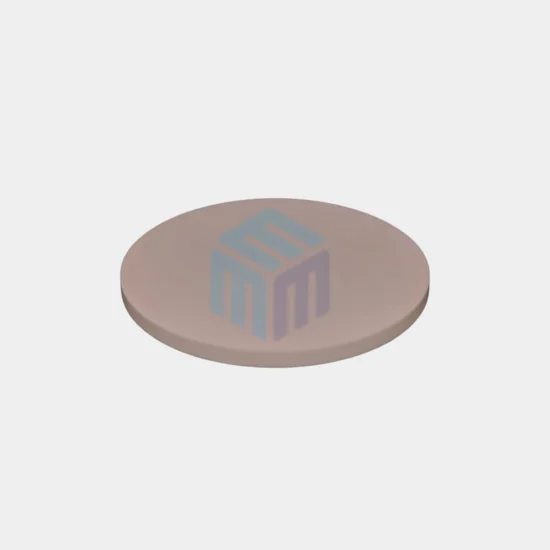
Alumina (Al₂O₃) is one of the most widely used advanced ceramics across semiconductor processing, laboratory testing, and high-temperature furnace systems. But not all alumina ceramic disc options are the same.
Choosing the wrong grade, purity level, or thickness can lead to contamination, thermal failure, or inconsistent performance. Whether you need a high purity alumina disk for semiconductor use or a durable industrial alumina plate for furnace applications, understanding the key selection factors is critical.
Let’s simplify the decision-making process.
Why Alumina Discs Are So Widely Used
Alumina offers a powerful combination of properties:
- High temperature resistance (up to ~1700°C depending on grade)
- Excellent electrical insulation
- Strong mechanical stability
- Good wear and corrosion resistance
- Chemical inertness
These characteristics make alumina ceramic plates ideal for:
- Semiconductor substrates
- Furnace setters and supports
- Lab sample platforms
- Electrical insulation components
However, performance depends heavily on selecting the right specification.
Tips of Choosing Alumina Disc for Semiconductor Lab or Furnace Applications
- Choose the Right Purity Level
Purity is one of the most important factors when selecting an Al2O3 ceramic disk.
Common Grades:
- 95% Alumina → Cost-effective, suitable for general industrial use
- 99% Alumina → Higher performance, better wear and corrosion resistance
- 99.5%–99.99% Alumina → Ultra-high purity for semiconductor and precision lab applications
Why It Matters:
- Higher purity = lower contamination risk
- Better electrical insulation properties
- Improved high-temperature stability
For semiconductor processing, always opt for a high purity alumina plate or substrate.
- Match the Disc to Your Application
Different applications require different configurations of alumina substrate plate or discs.
Semiconductor Applications
- Require ultra-clean surfaces
- Use high purity alumina disk (≥99.5%)
- Tight dimensional tolerances
- Smooth surface finish
Laboratory Applications
- Moderate to high purity (96–99.5%)
- Used for sample heating, chemical testing
- Balance between cost and performance
Furnace Applications
- Focus on thermal resistance and durability
- Use high temperature alumina disk
- Often thicker for structural strength
- May prioritize mechanical load capacity over ultra-high purity
- Consider Thickness and Size
The thickness of an alumina disc directly affects its strength and thermal behavior.
Thin Alumina Plate
- Faster heat transfer
- Suitable for semiconductor and analytical applications
- More fragile if not handled properly
Thick / Industrial Alumina Plate
- Better load-bearing capacity
- Suitable for furnace setters and structural use
- More resistant to thermal stress
Choosing the right thin alumina plate or thicker configuration depends on your mechanical and thermal requirements.
- Surface Finish and Precision
Surface quality is critical for many applications.
- Polished surfaces reduce contamination
- Smooth finishes improve wafer handling in semiconductor processes
- Flatness ensures uniform heating
For sensitive applications, a precision alumina substrate with tight tolerances is essential.
- Sintering Quality Matters
A sintered alumina disk must have:
- High density
- Low porosity
- Uniform grain structure
Poor sintering can lead to:
- Cracking under heat
- Reduced mechanical strength
- Contamination risks
Always verify manufacturing quality when selecting an alumina plate supplier.
- Thermal Performance Requirements
If your application involves high temperatures, ensure the material can handle:
- Continuous operating temperature
- Thermal cycling
- Thermal shock resistance
A high temperature alumina disk used in furnaces must maintain structural integrity across repeated heating cycles.
Conclusion: The Right Alumina Disc Ensures Performance and Reliability
Selecting the right alumina ceramic disc is not just about size or price—it’s about matching material properties to your application.
From high purity alumina disk for semiconductor processes to industrial alumina plates for furnace use, the right choice ensures:
Need High-Quality Alumina Discs or Plates?
If you’re looking to buy alumina plate USA or need a reliable alumina plate supplier, we’re here to help.
📞 Call us: +1-732-808-1999
📧 Email: info@mkubeenterprise.com
today to find the right alumina solution for your application.